.svg)
.svg)
.svg)
.svg)
.svg)


.svg)
%20(1).jpg)
.jpg)
Our Apps Have Driven
5X AOV | 2X Conversions | $30M+ Additional Revenue
5X AOV | 2X Conversions | $30M+ Additional Revenue
.svg)


5.0 (3000+ Reviews)


Shopify Apps





.svg)

The digital economy in 2026 continues to grow rapidly, opening new opportunities for entrepreneurs and creators to build scalable online businesses. Selling digital products has become one of the most profitable online business models because it requires minimal upfront investment, involves no physical inventory, and offers instant global reach. From digital templates to AI-powered tools, the demand for valuable, downloadable products has never been higher.
Shopify makes it easy for creators to start and scale digital product stores with built-in tools for automation, secure delivery, and marketing. Entrepreneurs can use apps like Checkout Wiz to optimize conversions, Easy Bundles to create product bundles, and Kite to automate digital deliveries. Whether you’re a designer, educator, or developer, digital products can help you earn recurring revenue while building a loyal customer base.
The rise of remote work, e-learning, and AI-assisted creativity has made digital goods a cornerstone of modern commerce.
Digital products are intangible goods that are created, distributed, and consumed entirely online. Unlike physical items, they require no inventory, shipping, or handling costs. These products can be downloaded, streamed, or accessed through a secure link after purchase. Common examples include ebooks, online courses, design templates, stock photos, and AI-based tools.
On Shopify, digital products can be sold through your online store just like physical goods. You can upload files, automate delivery, and even bundle multiple digital assets using apps such as Easy Bundles. With Checkout Wiz, you can optimize your checkout flow to increase conversions, while Kite helps automate order fulfillment for downloadable items. This streamlined setup allows sellers to focus more on product creation and marketing rather than operations.
Digital products are especially attractive because of their high scalability. You can create a product once and sell it indefinitely without additional production costs. Moreover, updates and new versions can be delivered instantly, making digital goods ideal for long-term business growth.
Here’s a quick comparison to understand the difference between physical and digital products:
Selling digital products in 2026 is one of the most effective ways to build a profitable, scalable, and low-maintenance online business. As consumers increasingly value convenience, instant access, and personalization, digital goods have become a major growth driver in the eCommerce market. According to industry reports, the global digital product market is expected to surpass $26 trillion by 2034, with strong demand in e-learning, AI automation, and creative design tools.
Shopify has made selling digital products easier than ever by providing a complete ecosystem for product creation, delivery, and marketing. With apps like Checkout Wiz, merchants can create high-converting checkout flows optimized for digital downloads. Easy Bundles allows sellers to combine related products — such as templates, guides, or digital planners — to increase average order value. Kite automates fulfillment, ensuring that buyers receive their downloads immediately after payment.
Digital products also eliminate traditional business challenges such as logistics, packaging, and inventory management. Sellers can focus on creating valuable content while Shopify’s backend manages automation, payments, and customer experience.
In 2026, consumers are not just purchasing products — they are buying access, experience, and expertise. Whether you’re creating AI-powered tools, templates, or educational content, digital products align perfectly with this evolving online behavior.
The digital product market in 2026 is more diverse than ever. From educational content to AI-based tools, creators can tap into multiple niches with high demand and recurring income potential.
Below are the most profitable and trending digital products to sell this year.
Online courses remain one of the most successful digital products to sell. As online education continues to expand, professionals are willing to pay for skill-based, niche-focused learning experiences.
Creators can sell pre-recorded video lessons, tutorials, or certification programs directly through Shopify. Using Kite, you can automate delivery of course materials, while Checkout Wiz ensures a smooth checkout experience for paid enrollments.
Best Niches for 2026:
Templates are among the most in-demand digital products in 2026. Businesses and creators are constantly searching for ready-to-use templates to save time and improve efficiency.
Popular examples include:
You can use Easy Bundles to combine related templates into packages, increasing value and boosting sales.
Printable products such as calendars, trackers, journals, and planners continue to dominate platforms like Shopify and Etsy. They require minimal design skills but have high resale potential.
By integrating Checkout Wiz, sellers can create an optimized digital checkout for instant downloads. Easy Bundles can also help create themed collections like “Wellness Tracker Kits” or “Business Planning Bundles.”
Ebooks remain a proven way to monetize expertise or niche knowledge. Whether it’s a how-to guide, a collection of business insights, or a storytelling series, ebooks can generate passive income for years.
With Shopify, sellers can distribute ebooks instantly after purchase using Kite, while Checkout Wiz handles secure payment and delivery. Pairing ebooks with other resources using Easy Bundles increases perceived value.
The global demand for high-quality visual and audio content is surging, thanks to the creator economy. Photographers, videographers, and musicians can sell their digital media as licensed downloads.
Shopify provides a great platform to showcase your media catalog with automated fulfillment through Kite. Pairing stock photos with templates or design assets through Easy Bundles can create premium product collections.
Software and app-based solutions are among the fastest-growing digital categories in 2026. Developers can sell web apps, mobile utilities, or niche SaaS tools directly through Shopify.
By using Checkout Wiz, SaaS creators can design subscription-based checkout experiences, while Kite handles digital license key delivery.
Membership sites are perfect for creators who want recurring revenue. Members gain access to premium content, live workshops, and exclusive resources.
Shopify’s subscription integrations and Checkout Wiz simplify recurring billing, while Easy Bundles can help combine resources such as digital guides, videos, or templates for members.
AI-powered digital products are redefining online business. Sellers can offer AI prompt libraries, automation templates, AI-generated content, or custom GPT models.
Selecting the right digital product is one of the most important steps in building a successful Shopify business. In 2026, the most profitable digital products are those that solve specific problems, serve niche audiences, and can be automated or scaled easily.
Start by defining your target customer. Consider their interests, challenges, and purchasing habits. The more specific your niche, the higher your chances of standing out.
For example, instead of selling generic “business templates,” focus on “Shopify business plan templates for first-time entrepreneurs.”
Tools to help:
Before investing time into creating a digital product, test your idea. You can start by offering a free lead magnet or a low-cost version on Shopify to see if it resonates.
Example: Launch a “free version” of a Notion planner using Easy Bundles, then promote a premium edition with added features.
Choose a digital product that can evolve over time. Scalable products can be updated, expanded, or repurposed without starting from scratch.
For example, an “AI Prompt Library” can grow into a membership site, or a “Digital Planner” can be refreshed annually with new designs.
Your pricing should reflect both the value of your product and your audience’s willingness to pay. Tiered pricing or product bundles can maximize your revenue while serving different buyer segments.
The best digital products are those that can run without constant manual effort.
Automation Flow Example:
This system allows your digital business to generate income continuously with minimal involvement.
Choosing the right sales platform is essential for long-term success. In 2026, Shopify remains the most complete and flexible platform for selling digital products — offering automation, security, scalability, and full customization.
Shopify allows you to list, market, and deliver digital products just like physical goods. You can upload files (PDFs, ZIPs, videos, or licenses), manage fulfillment automatically, and even offer free downloads for lead generation.
How to Set Up Digital Product Sales on Shopify:
Why Shopify?
With Easy Bundles, you can offer product combinations such as “Template + Ebook + AI Prompt Kit” to increase average order value. Checkout Wiz improves your checkout completion rate by simplifying payment steps and reducing cart abandonment. Kite ensures your buyers instantly receive their files, improving customer satisfaction and repeat purchases.
If you already have a blog or website, you can integrate your Shopify store directly into it. This allows you to leverage your existing audience while handling transactions and file delivery through Shopify.
For instance, a blog post on “AI Prompt Writing” can include a “Buy Now” button powered by Checkout Wiz leading directly to your digital product page. This approach turns informational content into a revenue-generating funnel.
Shopify’s built-in marketing tools and integrations make it easy to promote your digital products on social media or through email campaigns.
Pair this with Easy Bundles to offer “limited-time bundle deals” or “early access packages,” boosting urgency and engagement.
While marketplaces like Etsy or Gumroad can provide exposure, they also come with high fees, competition, and limited brand control. In contrast, Shopify gives you ownership of your customer relationships and data. This makes it ideal for building a sustainable digital brand.
In 2026, successful Shopify sellers leverage AI tools for personalization and efficiency.
Example Workflow:
This combination of personalization and automation turns your Shopify store into a 24/7 revenue engine, optimized for digital sales.
Creating a high-quality digital product is only half the journey—successful marketing determines how well it sells.
Each digital product page should clearly communicate the product’s purpose, benefits, and value proposition. Use descriptive titles, keyword-rich headings, and detailed product descriptions that focus on outcomes—what the buyer will achieve after using your product.
Best Practices:
Bundling complementary digital products can significantly increase overall revenue. For example, pairing an ebook with a digital planner or a set of templates with an AI prompt pack creates more perceived value.
Implementation Example:
Build a long-term relationship with your audience by collecting emails and nurturing leads. Offer a free digital download (such as a mini template or short guide) in exchange for an email subscription. Once a customer joins your list, send targeted campaigns promoting premium bundles, updates, or exclusive offers.
How to Automate:
Blog posts, tutorials, and videos help build authority in your niche while driving organic traffic to your Shopify store. For example, if you sell design templates, publish a post titled “How to Create a Professional Resume Using Shopify Templates.”
Each piece of content should include:
Social proof reduces buyer hesitation and builds trust. Add real customer testimonials or case studies showing how your product solves specific problems. Display star ratings and feature user-generated content on your product pages or checkout screens.
Pro Tip:
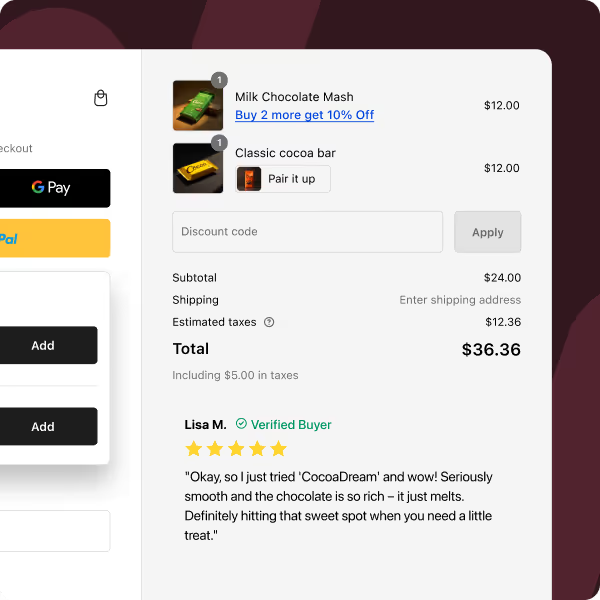
Use Checkout Wiz to show testimonials during checkout and upsell moments, encouraging cross-sales and repeat purchases.
Not all visitors buy on their first visit. Shopify allows you to set up abandoned cart emails and retargeting ads to remind customers about incomplete purchases.
Use Checkout Wiz to trigger automated follow-ups with discount codes or personalized bundle offers. This helps recover lost sales while providing a more customized shopping experience.
Convert one-time buyers into long-term subscribers by creating membership tiers or subscription models. Offer exclusive content, regular updates, or monthly digital drops.
For example:
Use Checkout Wiz for recurring billing setup and Kite for automatic digital delivery each cycle.
Monitor your Shopify analytics to understand which products perform best. Track metrics like conversion rate, repeat purchases, and bundle performance.
Tools to Use:
Based on performance data, adjust your pricing, bundles, and marketing campaigns to maximize revenue.


.avif)