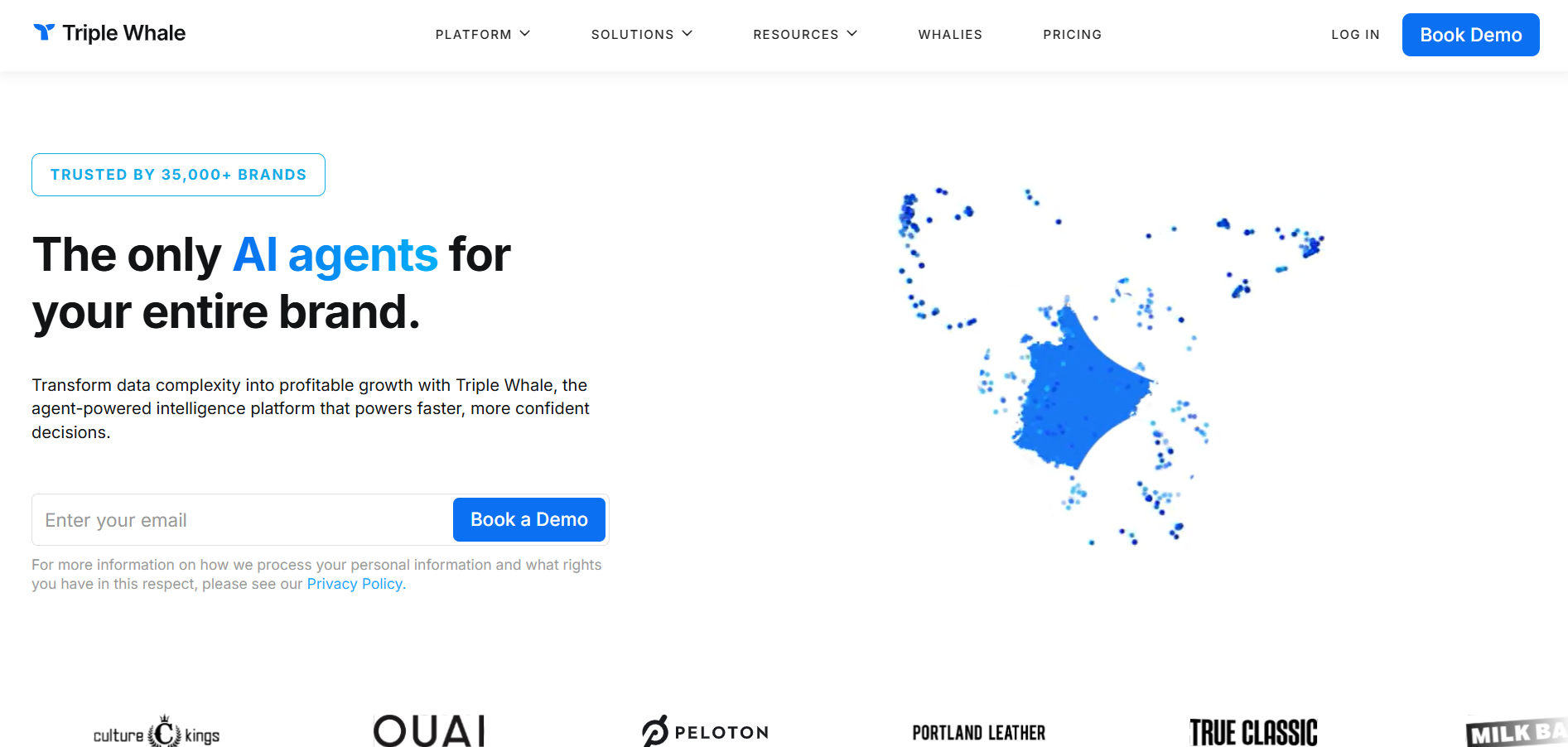
The blog highlights the top 10 Shopify analytics tools from Shopify’s built in dashboard to advanced solutions like Triple Whale, Peel, and Daasity helping merchants track performance and make data driven decisions.
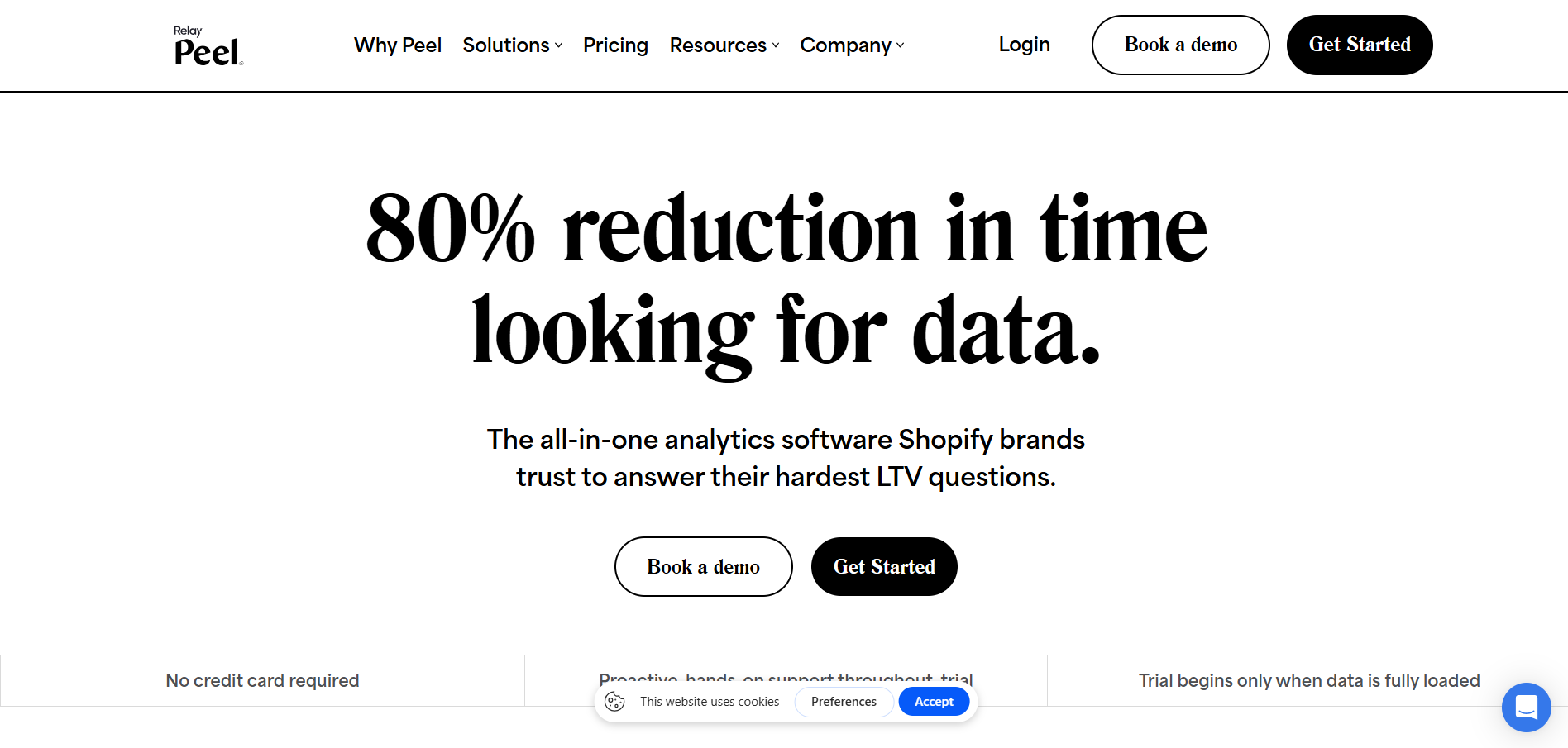
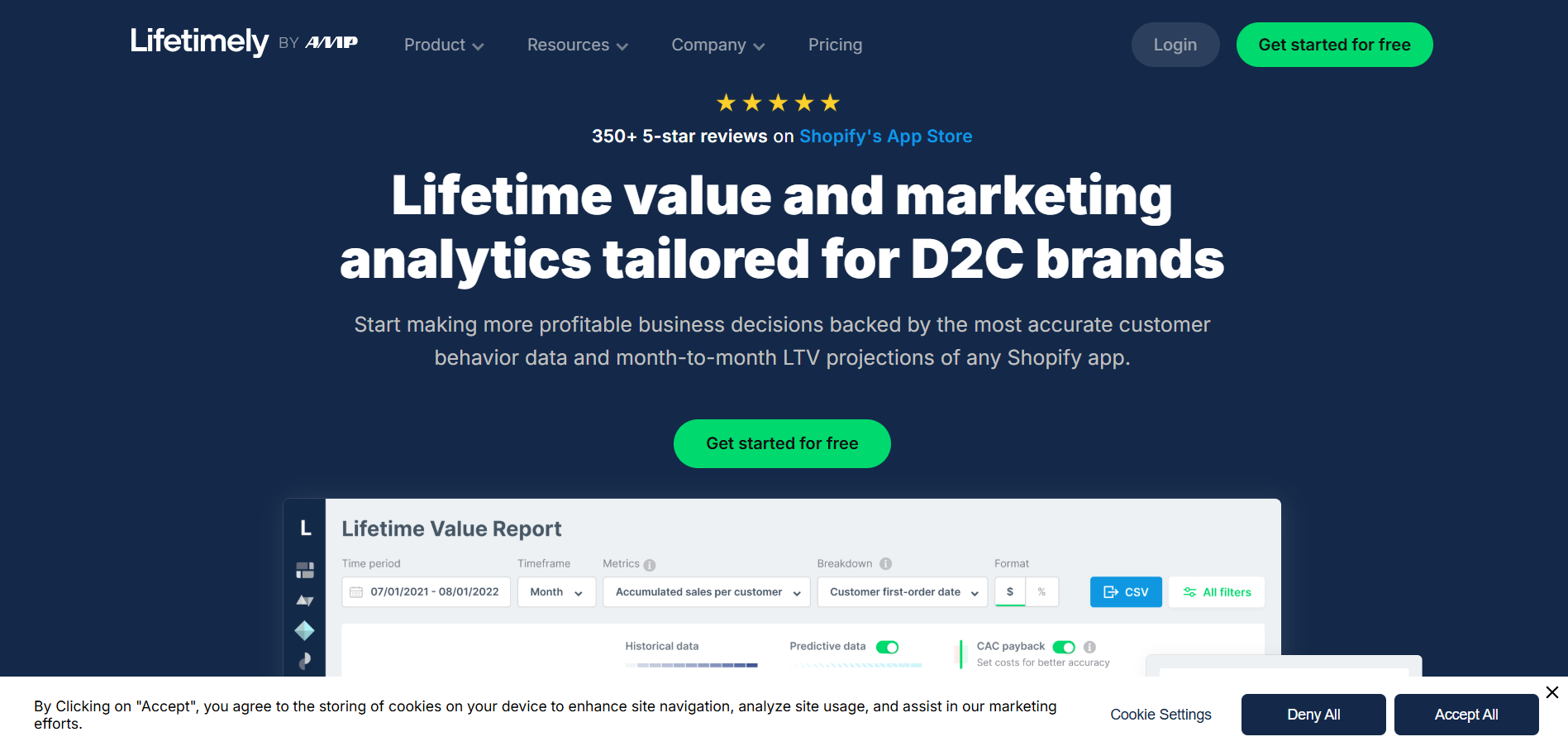
Each tool serves unique needs: GA4 for free advanced tracking, Better Reports for customizable reporting, and Lifetimely or Peel for LTV and cohort insights.
The guide includes pricing, key features, and ideal use cases to help brands choose based on their business stage, goals, team size, and budget.
Understanding your store's performance is no longer optional—it's essential.
Whether you're tracking sales, customer behavior, or marketing ROI, the right analytics tools can help you make smarter, faster decisions.
10 Best Shopify Analytics Tools
Here’s a curated list of the top 10 Shopify analytics tools—from built-in solutions to advanced platforms tailored for fast-growing DTC brands.
1. Shopify Analytics (Native)
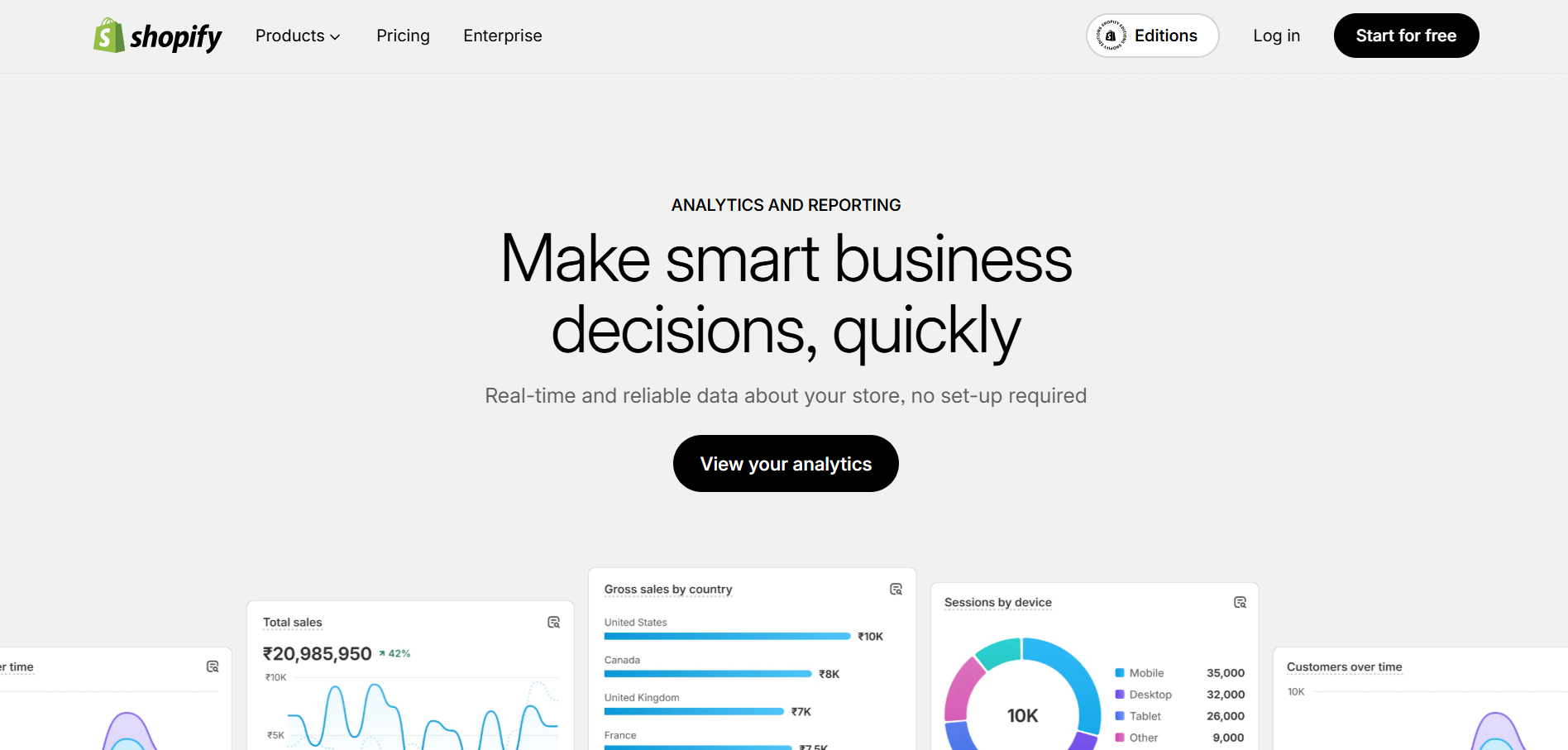
Built into every Shopify store, this dashboard provides a snapshot of sales, sessions, conversion rates, and more.
Features for ecommerce:
Real-time sales tracking and live view
Traffic sources and device segmentation
Conversion rate and funnel analysis
Product, customer, and marketing reports
Basic cohort and retention metrics (on higher plans)
Paid or Free: Free on Basic, Advanced features on higher plans
Choosing the right analytics platform depends on your:
Stage of business: Beginners may start with Shopify or GA4; scaling brands need more depth
Primary goals: Is your focus LTV, ROAS, retention, or product performance?
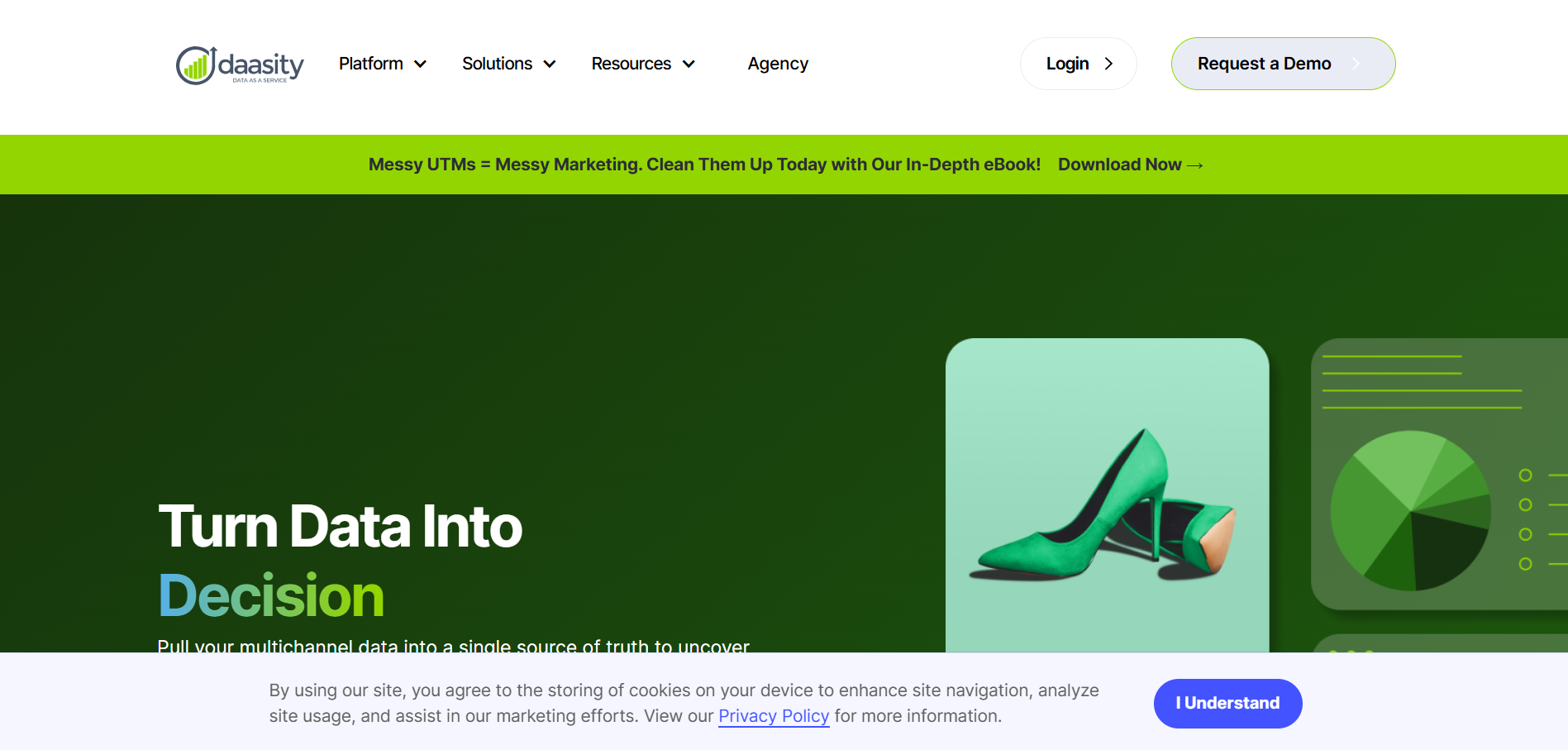
Team size: Tools like Better Reports or Peel are great for solo founders; Daasity suits larger teams
Budget: Free tools are a good start, but premium tools offer serious ROI if used well
How Our Shopify Apps Integrate with Analytics Tools
When paired with analytics tools, our apps can supercharge your decision-making:
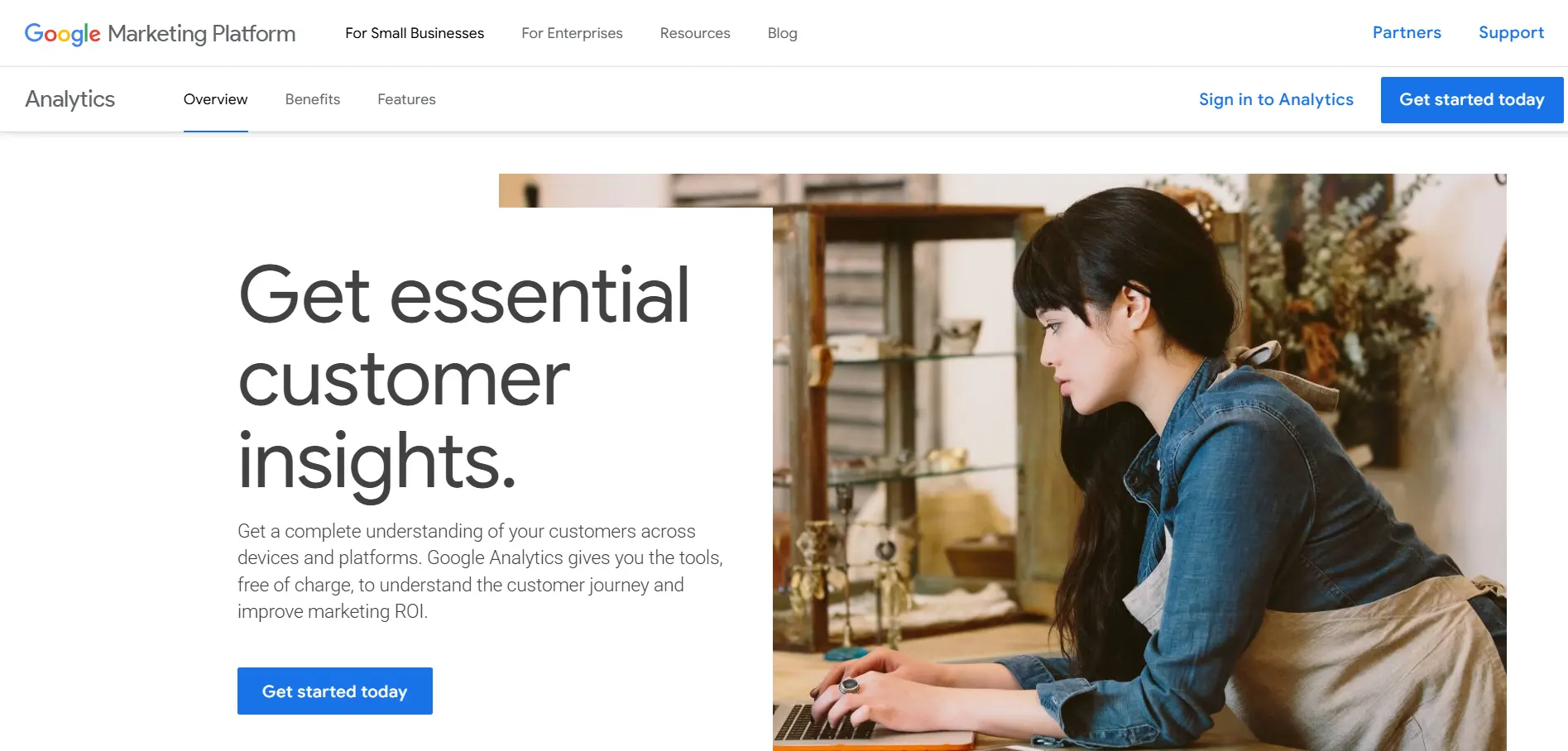
Byte (Product Quiz App) → Track conversions and quiz completions with GA4 or Triple Whale
Giftkart & GiftLab → Analyze how gift cards, wrapping, and personalization affect repeat purchases
Easy Bundle Builder → Measure AOV impact using Peel or Lifetimely's cohort reports
Kite & Checkout Wizard → Use event tracking in GA4 or Shopify to assess upsell success rates
Conclusion
Analytics isn't just for tech geeks—it's for growth-minded brands. Whether you're running a lean team or scaling fast, there’s a Shopify analytics tool tailored for you.
Start with one that matches your goals, and as your store grows, layer in more powerful insights.
Hurrify customers to buy within a given timeframe with a sales countdown timer & improve conversions
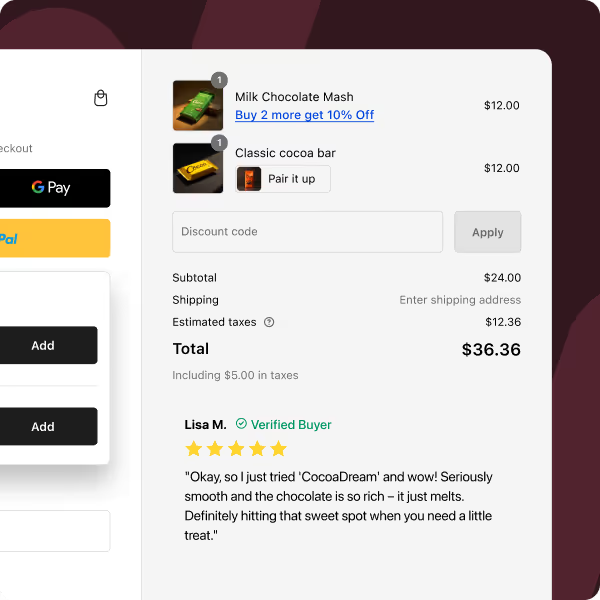
Another popular Shopify checkout app is Checkout Promotions. The app comes with the ability to leverage a collection of highly robust visibility rules that help show customers one-click post purchase upsell promotions after an order payment has been made. Some of its key features include:
Features
AI recommended and manual recommendations for upselling.
Complete branding control.
Checkout Upsell for increasing AOV.
AI recommended and manual recommendations for upselling.
Pricing
Development
Free
Monthly Plan
$99/ month
Plus Plan
$99/ month
Plus Plan
$99/ month
FAQs
1. Can I use more than one analytics tool on my Shopify store?
2. Do I need coding to install these tools?
3. What’s the most important metric to track?
4. How often should I check my analytics?
5. Are paid tools worth it for small businesses?
6. What’s the difference between ecommerce analytics and web analytics?
Sid B
Sid is the founder of Skai Lama and The Indian Dream Podcast. He is passionate about building SaaS and talks about eCommerce Growth, 0-1 Startups, Building Businesses and Brands, and Shopify.

.svg)
.svg)
.svg)
.svg)
.svg)


.svg)
%20(1).jpg)
.jpg)
.svg)









.svg)



.avif)