.svg)
.svg)

.svg)
.svg)


%20(1).jpg)
.jpg)

Our Apps Have Driven
5X AOV | 2X Conversions | $30M+ Additional Revenue
5X AOV | 2X Conversions | $30M+ Additional Revenue
.svg)


5.0 (3000+ Reviews)


Shopify Apps





.svg)

A product bundle is a combination of several products that are sold to a customer as a combined package. A simple example of a beauty and cosmetic brand bundle can be a combined package of a face wash+toner+moisturizer.
Product bundling can enhance customer experience and increase the Average Order Value (AOV). As a McKinsey report mentions, 35% of purchases at Amazon come from recommendations made through bundles.
So, as a cosmetic and beauty brand retailer, if you're looking for ideas to boost sales through bundles, we have got you covered.
Beauty and cosmetic bundles are a strategy that brands use to combine two or more items from their product list to create a package for their customers. Products can be clubbed based on the issue they address, customer affinity, or relevance.
For example, bundles can be made based on different skin problems the products solve or product affinity based on the interest of the customer.
Bundling benefits both brands and customers. Let's see how.
Curious how bundling can improve your average order value and sales?
If you’re ready to try bundling but unsure of which strategy to use, here are some product bundling strategies for inspiration for your beauty and cosmetics brand.
Want to explore different product bundling strategies for your Shopify store?
This is an effective bundling strategy where you combine products often purchased together to offer convenience and value. For example, if you notice that a customer who purchases a moisturizer also buys a cleanser, you can safely bundle the two products together in a package.
But how do you know which products customers usually buy together?
Here’s an example:

Looking for examples of frequently bought together product bundles?
You can create bundles tailored to customer preferences, like skin type or beauty goals. Creating bundles based on customer interests increases the chances of sale because the products are targeted towards the customer’s intent and create an emotional appeal to the customer. For example, you may want to create custom skincare routines for different skin types.
How do you create such a bundling strategy?
Here’s an example:

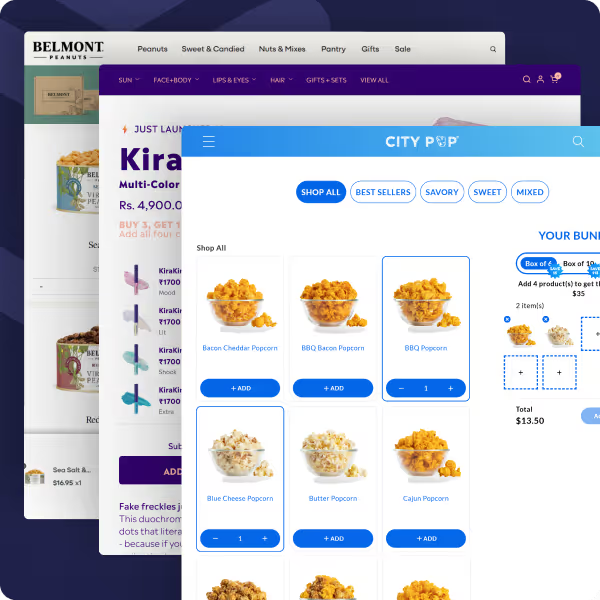
In this bundle strategy, you allow customers to build their bundles from a selection of products. For example, a customer might want to build their monthly skincare regime.
Enabling customers to build their own bundles empowers them to lead their shopping experience. It also saves time for the customers as they don't need to browse endlessly through all the product pages. Rather, they can choose their product and shop for them in one go.
Here’s an example of a brand that enables its customers to build their own makeup kits.

Pairing complementary products is an effective strategy that lets you buy products that enhance each other's effectiveness. As all customers might not be aware of all the products available to help them reach their goals, this strategy gives them a comprehensive solution.
Increasing customer awareness is this strategy's primary goal, which eventually leads to more sales for the brand.
For example, a cosmetic brand might offer complementary product pairings of lipstick and lip liner sets.
Here's an example from a brand
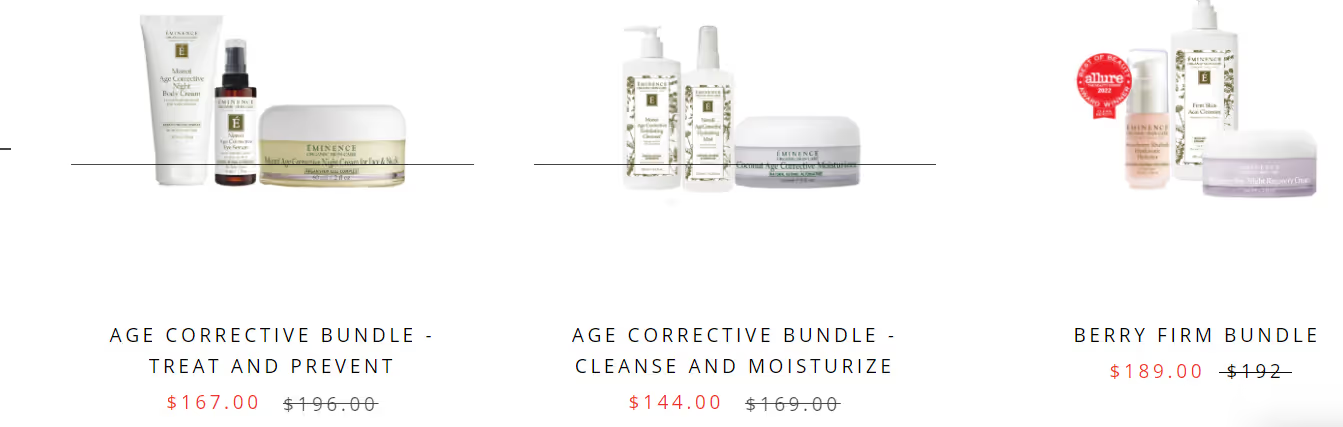
By creating beauty bundles based on specific beauty goals or needs, you make the shopping experience convenient for the customer. For example, an anti-aging skincare set might appeal to a customer who is looking to address the needs of their aging skin.
Here’s an example of a brand.

Creating promotional bundling like 'Buy One, Get One Free' or discounts for bundled purchases creates an urgency that prompts the customer to buy and explore new products and creates positive brand advocacy. For example, consider BOGOF offers of seasonal beauty products.
Such bundling strategies create a perception of added value for the customers and create a sense of urgency and scarcity that ultimately boosts the overall sales volume and increases the AOV.
This bundling strategy focuses on creating bundles of older stock at discounted prices to clear inventory. Brands usually adopt this approach when their inventory is old or needs to be cleared out to accommodate new stocks.
Customers benefit through this type of bundling because they can buy multiple products at a reduced rate. The discounted price creates a sense of urgency to avail of the deal for a limited period of time. This helps to boost sales for the brand.
Customers invested in beauty and cosmetics products often follow the same regime for at least a few months. Offering these customers with subscription options is a good way to keep them engaged to your brand for 3-6 months.
Ensure the customer receives the same set of products at a regular interval, offer them discounts to encourage them to buy subscriptions, and promote the benefits of sticking to the same products so that they don't explore other brand products during this time.
For example, try offering monthly beauty box subscriptions.
Interested in learning how to create subscription bundles?
Has this already piqued your interest? Then here’s the success story of a beauty brand that has successfully strategized its bundling offers to skyrocket its sales by $ 17,221.79 in 30 days.
Lathr, a handmade personal care brand for men, was struggling to introduce its store visitors to its entire collection.
And as the business grew, it became difficult to introduce personalized bundles based on customer intent. This is when Lathr started partnering with a bundling app for their Shopify store and installed Easy Bundles by Skai Lama.
With Skai Lama, Lathr could easily set up two types of bundles on their Shopify store.
The result?
Want to see a real-life example of successful product bundling?
Now that we know the different bundle strategies and the results it can achieve when done right, let’s see how you can successfully implement them for your beauty and cosmetic brand.
By combining a fast-selling product with a slow-selling one, you can avoid the risk of having a dead stock while helping the customers find your best-sellers.
Calculate the stock sales ratio to identify the slow-selling products and pair them with products that get you the maximum revenue.
However, do not just match products based on their popularity alone; keep relevance in mind, too, while paring.
Give a fun name for your bundle combo that grabs immediate attention instead of using a generic name. Here’s an example of a brand that pampers its customers with a combo name: “You deserve it all.”

Promote your bundles to solve a unique problem that your customers may have. Be specific about what's included in the bundle, why it's beneficial for the user to buy the bundle, and how to use it together. Be specific on how much one can save by buying the bundle.
The ultimate goal of every beauty and cosmetic brand is to increase their sales while building a positive brand experience for their customers. Creating a bundle is a great way to upsell by logically combining various products together.
Bundling does not just help to increase the AOV; it also helps reduce marketing and fulfillment costs, boost loyalty, and avoid the risk of dead stock.
Bundling helps to grow your business, so why not give it a try? You can take ideas from the different bundling strategies mentioned here or explore different innovative bundling strategies to enhance your brand's value and customer experience.
Irrespective of the bundling strategy you choose to use, Skai Lama's Easy Bundles make it seamlessly easy to build bundles on your Shopify store. It's easy to set up multiple types of bundles in your store, along with additional features like customizable layouts and gifting options with greeting cards, gift cards, and more.


.avif)