.svg)
.svg)

.svg)
.svg)


%20(1).png)

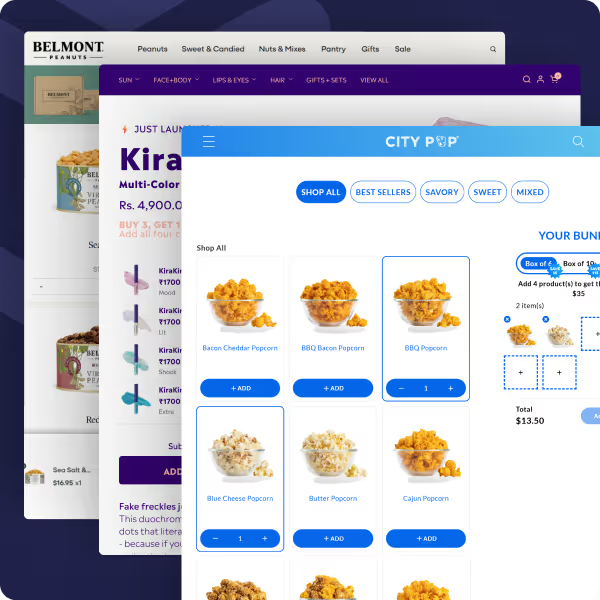
Our Apps Have Driven
5X AOV | 2X Conversions | $30M+ Additional Revenue
5X AOV | 2X Conversions | $30M+ Additional Revenue
.svg)


5.0 (3000+ Reviews)


Shopify Apps





.svg)

Fashion in 2026 is shaped by demand for comfort, sustainability, and versatility. Athleisure remains a top trend, as consumers seek clothing that transitions between casual and active wear.
Eco-friendly fabrics like organic cotton and recycled polyester are in high demand, along with customizable options that let consumers express their personal style.tions, fashion has become an outlet for personal expression, even in everyday essentials.

Here are top Fashion products to sell in 2026:
| Category | Top Products | Annual Growth (%) | Annual Sales (in millions) |
|---|---|---|---|
| Athleisure | Yoga Pants | 12 | 150 |
| Performance Leggings | 10 | 120 | |
| Moisture-Wicking Tops | 8 | 110 | |
| Sports Bras | 11 | 130 | |
| Jogger Pants | 9 | 100 | |
| Oversized Jackets and Coats | Oversized Denim Jackets | 15 | 90 |
| Oversized Puffer Jackets | 13 | 85 | |
| Trench Coats | 12 | 78 | |
| Longline Blazers | 10 | 75 | |
| Sherpa-Lined Jackets | 14 | 80 | |
| Eco-Friendly Apparel | Organic Cotton T-Shirts | 20 | 60 |
| Recycled Fabric Hoodies | 18 | 55 | |
| Bamboo Fiber Leggings | 19 | 50 | |
| Eco-Friendly Jackets | 17 | 70 | |
| Sustainable Sweaters | 21 | 65 | |
| Customizable T-Shirts and Hoodies | Custom Print T-Shirts | 14 | 105 |
| Logo Hoodies | 16 | 100 | |
| Photo Collage Sweatshirts | 13 | 95 | |
| Event-Themed Hoodies | 15 | 90 | |
| Name Initial Tees | 12 | 110 | |
| Footwear | Running Shoes | 9 | 200 |
| Ankle Boots | 10 | 180 | |
| Platform Sneakers | 8 | 160 | |
| Slippers | 7 | 140 | |
| Leather Sandals | 11 | 120 | |
| Work-from-Home Attire | Pajama Sets | 12 | 75 |
| Stretchable Pants | 13 | 65 | |
| Comfortable Cardigans | 10 | 70 | |
| Relaxed Fit Tops | 9 | 60 | |
| Soft Lounge Shorts | 8 | 55 | |
| Vintage and Second-Hand Fashion | Vintage Denim Jackets | 25 | 50 |
| Retro T-Shirts | 23 | 48 | |
| Second-Hand Sweaters | 22 | 52 | |
| Reworked Jeans | 24 | 49 | |
| Leather Jackets | 26 | 53 | |
| Statement Accessories | Statement Earrings | 18 | 115 |
| Layered Necklaces | 19 | 108 | |
| Chunky Rings | 17 | 102 | |
| Bold Bracelets | 20 | 110 | |
| Brooches | 16 | 105 | |
| Shapewear | Seamless Shapewear | 14 | 88 |
| High-Waisted Shaping Briefs | 15 | 92 | |
| Bodysuit Shapers | 13 | 85 | |
| Waist Trainers | 12 | 90 | |
| Thigh Slimmers | 10 | 83 | |
| Handbags and Crossbody Bags | Crossbody Bags | 11 | 120 |
| Mini Handbags | 12 | 125 | |
| Tote Bags | 9 | 118 | |
| Satchel Bags | 10 | 115 | |
| Convertible Backpacks | 8 | 112 |
Market Overview: Athleisure—a blend of athletic and leisurewear—remains highly popular, especially as remote work and fitness lifestyles continue. The global athleisure market is projected to reach $549 billion by 2028, driven by demand for versatile and comfortable clothing.
Top Players: Brands like Nike, Adidas, and Lululemon are leading, focusing on high-performance, eco-friendly materials and style. Lululemon, for instance, has seen a revenue increase of over 11% annually due to its loyal athleisure customer base.

Trends:
Market Projection - Expected to reach $549 billion by 2028
Key Materials - Organic cotton, recycled polyester
Primary Buyers - Fitness enthusiasts, remote workers
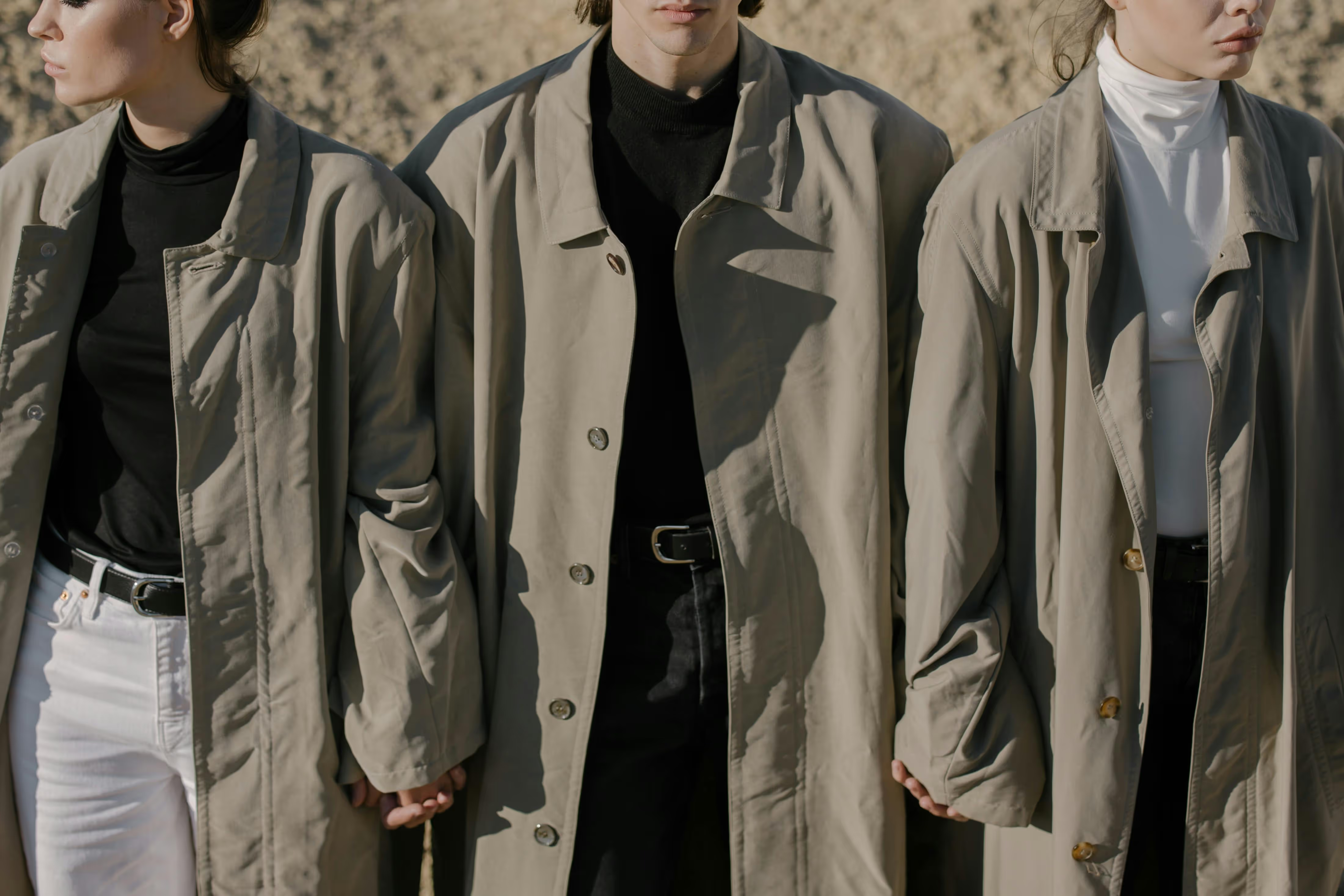
Market Overview: Oversized outerwear continues to trend due to its comfort, layering potential, and style versatility. The demand for jackets and coats peaks during the fall and winter seasons, and oversized fits are especially popular among younger demographics.
Top Players: The North Face, Patagonia, and Uniqlo lead in outerwear, particularly with sustainable and durable options. Patagonia’s commitment to ethical sourcing has set it apart in the eco-conscious apparel market.
Trends:
Seasonality - High demand in fall and winter
Consumer Focus - Durability, insulation, sustainable materials
Top Demographic - Millennials and Gen Z
Market Overview: The shift towards sustainability is driving demand for eco-friendly apparel. Organic cotton t-shirts are a staple in this category, with the global organic cotton market expected to grow at a CAGR of 12.5% by 2027.
Top Players: Allbirds, Pact, and Patagonia are known for their commitment to organic and sustainable materials. Allbirds’ sustainable practices have attracted a dedicated customer base, and its revenue continues to grow annually by double digits.

Trends:
Growth Rate - CAGR of 12.5% through 2027
Key Materials - Organic cotton, bamboo fiber
Consumer Preference - Low impact, transparent sourcing
Also Read: Top Products to Sell in Health and Wellness in 2026
Market Overview: Customizable apparel allows consumers to express personal style, making it highly popular among younger demographics. The custom apparel market is expected to reach $8.8 billion by 2026, as personalization options continue to attract attention.
Top Players: Printful, Teespring, and Etsy are popular for customizable products. These platforms enable print-on-demand services, allowing customers to create unique designs on-demand.

Trends:
Market Projection - $8.8 billion by 2026
Customization Types - Print-on-demand, embroidery
Primary Buyers - Gen Z, millennials
Market Overview: Casual sneakers are a staple in modern wardrobes, with a focus on both style and comfort. The casual footwear market is anticipated to grow at a rate of 6% annually, with a steady increase in demand for versatile, stylish sneakers.
Top Players: Nike, Adidas, and Allbirds dominate this category. Nike’s direct-to-consumer sales approach has boosted its sneaker sales, while Allbirds focuses on eco-friendly materials.

Trends:
Growth Rate - 6% CAGR
Consumer Focus - Style, comfort, eco-friendliness
Popular Styles - Minimalist, versatile
Market Overview: The demand for loungewear has spiked post-pandemic, as remote work has transformed daily dress codes. The global loungewear market is projected to reach $40 billion by 2026, driven by consumers seeking comfort and style at home.
Top Players: Skims, Hanes, and Lululemon lead the loungewear market. Skims has gained popularity for its inclusive sizing and soft, comfortable fabrics.

Trends:
Market Size Projection - $40 billion by 2026
Key Features - Soft fabrics, comfort-focused design
Primary Buyers - Remote workers, comfort seekers
Market Overview: Second-hand and vintage fashion appeal to eco-conscious consumers who prioritize sustainability. The market is expected to grow 11.5% annually, as more people embrace unique, pre-loved pieces over fast fashion.
Top Players: Platforms like Depop, Poshmark, and ThredUp have become go-to destinations for vintage and second-hand shopping, catering to younger generations.

Trends:
Growth Rate - 11.5% CAGR
Consumer Focus - Sustainability, uniqueness
Primary Market - Gen Z, millennials
Market Overview: Statement jewelry is seeing renewed interest, with bold designs gaining popularity for self-expression. The global fashion jewelry market is projected to grow by 5.6% annually through 2028, largely due to social media trends.
Top Players: Brands like BaubleBar, Pandora, and Etsy vendors offer bold, unique jewelry options, often catering to trend-focused consumers.

Trends:
Growth Rate - 5.6% CAGR
Popular Styles - Chunky chains, statement earrings
Primary Buyers - Fashion-forward, trend-focused consumers
Market Overview: Shapewear has remained a popular apparel category, driven by body-positive brands. The shapewear market is projected to reach $6.4 billion by 2028, with innovative materials and inclusive sizing boosting demand.
Top Players: Brands like Spanx, Skims, and Honeylove are prominent, focusing on comfortable, high-quality shapewear for all body types.

Trends:
Market Size Projection - $6.4 billion by 2028
Key Features - Comfortable fit, inclusive sizing
Consumer Focus - Body positivity, functionality
Market Overview: Functional and fashionable bags, such as crossbody and tote bags, are trending for their versatility. The handbag market is expected to grow by 4.9% annually, with demand for sustainable and practical designs.
Top Players: Coach, Michael Kors, and Telfar are prominent brands in the handbag category, offering a mix of luxury and affordable options.

Trends:
Growth Rate - 4.9% CAGR
Consumer Focus - Practicality, eco-friendliness
Popular Styles - Crossbody, tote bags
The apparel and fashion accessories market presents substantial opportunities for merchants to appeal to a style-conscious, values-driven audience. With the right mix of functionality, personalization, and sustainability, retailers can capture a share of this dynamic, trend-sensitive market.
In 2026, the fashion landscape is set to be shaped by enduring trends like athleisure, oversized jackets, and sustainable apparel. The athleisure market alone is expected to reach $549 billion by 2028, highlighting the consumer shift towards versatile and eco-friendly fashion.
As BFCM 2026approaches, eCommerce brands can maximize these trends by creating attractive product bundles, combining popular items like leggings, sports bras, and sustainable tops.
Bundling products for BFCM not only increases the perceived value for customers but also encourages higher average order values.
Leveraging these same tactics, store owners can capitalize on seasonal demand during BFCM and beyond, using tools like Skai Lama’s Easy Bundles to create tailored offers and drive sales. With the right mix of trend-driven products and strategic promotions, fashion retailers are well-positioned for success in 2026 and can effectively respond to the consumer demand for style, sustainability, and convenience.


Types of product bundles & Benefits
Success stories with product bundling
Product bundling best practices checklist


.avif)