
Our Apps Have Driven
5X AOV | 2X Conversions | $30M+ Additional Revenue
5X AOV | 2X Conversions | $30M+ Additional Revenue
.svg)


5.0 (3000+ Reviews)


Shopify Apps





.svg)

Tailor your search to find the perfect Shopify store.
Categories
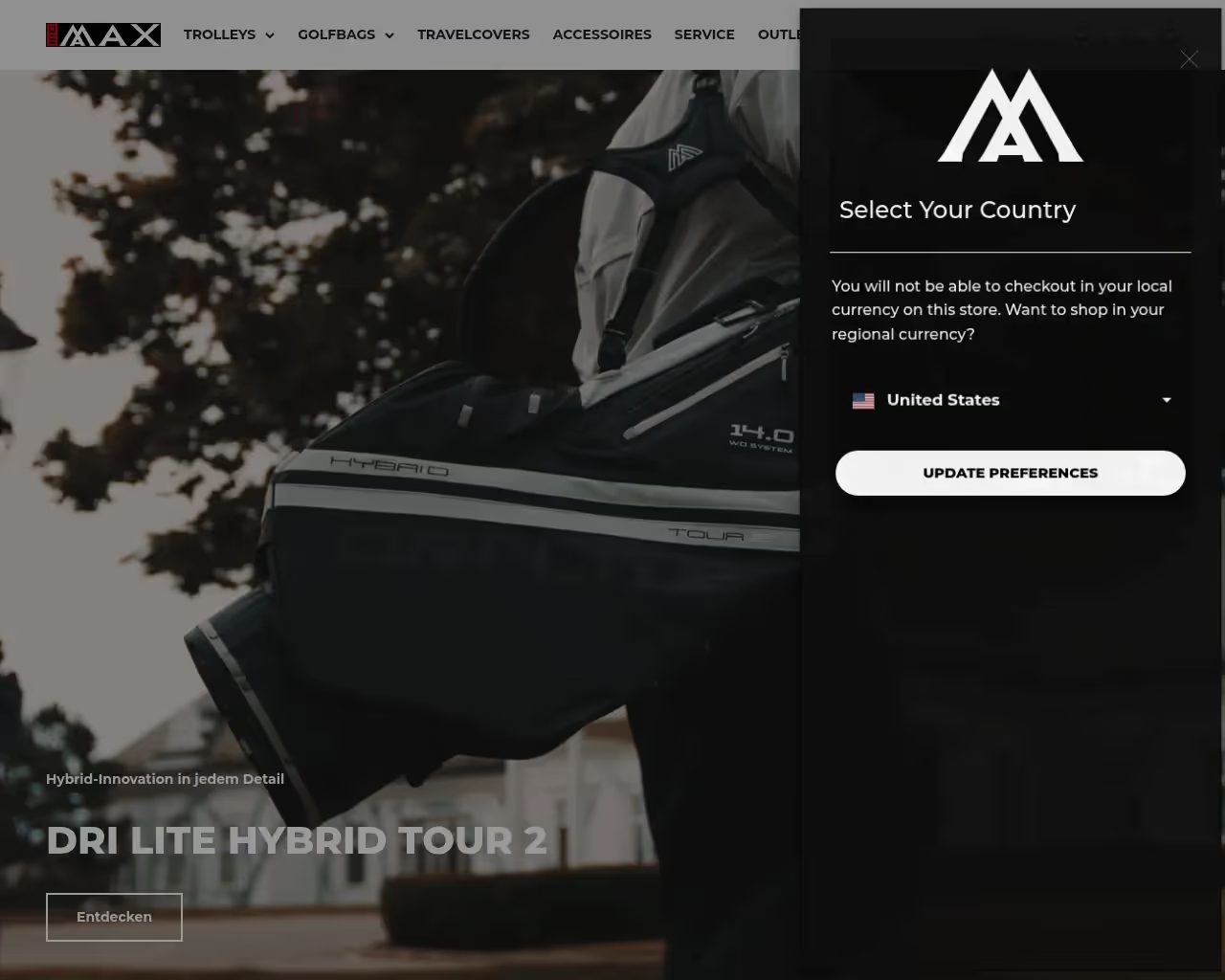
Europe's leading golf trolley and bag brand.
Top Selling Product
Golf trolleys
Country
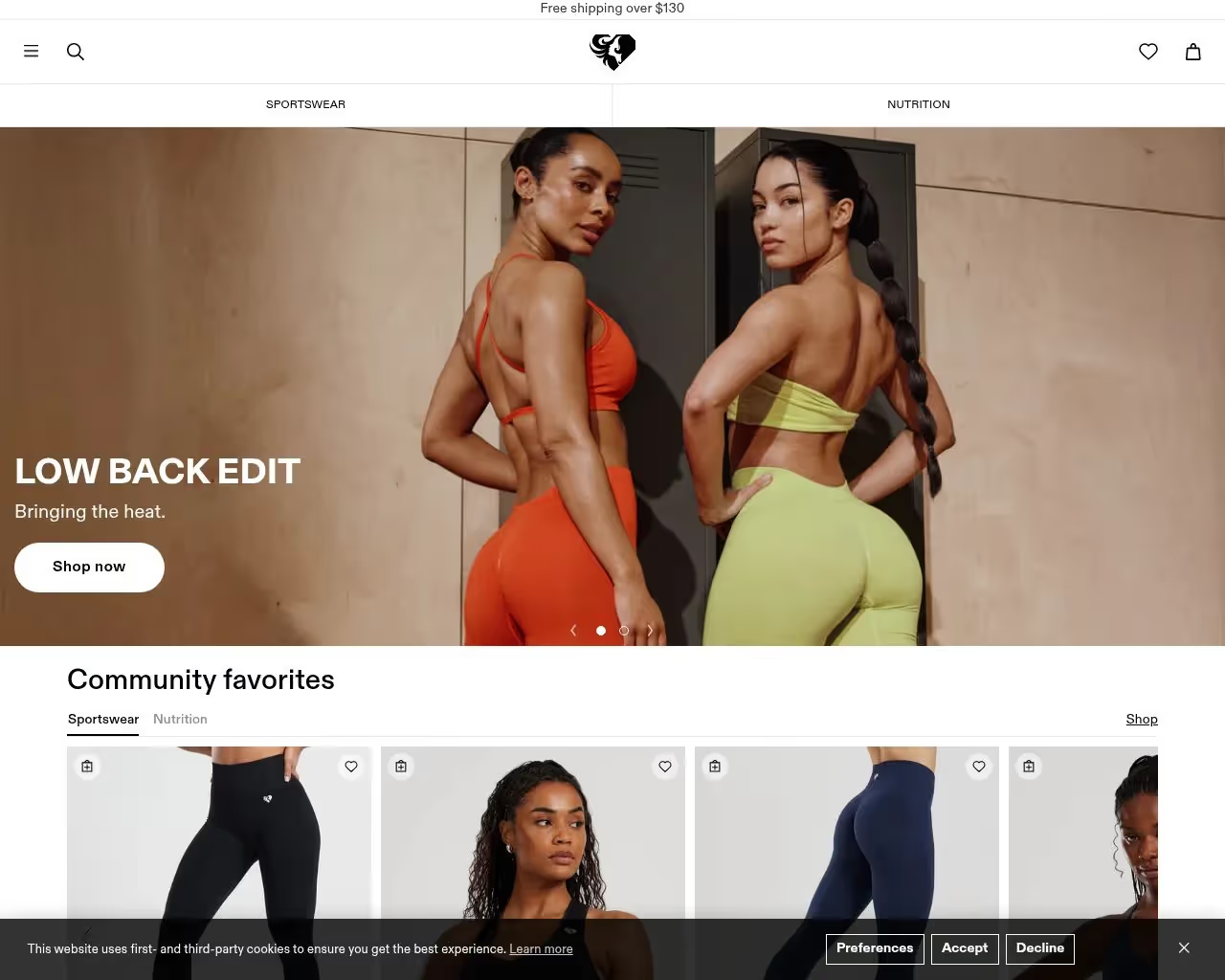
Offers premium sports nutrition and activewear tailored for women.
Top Selling Product
Sports nutrition supplements
Country
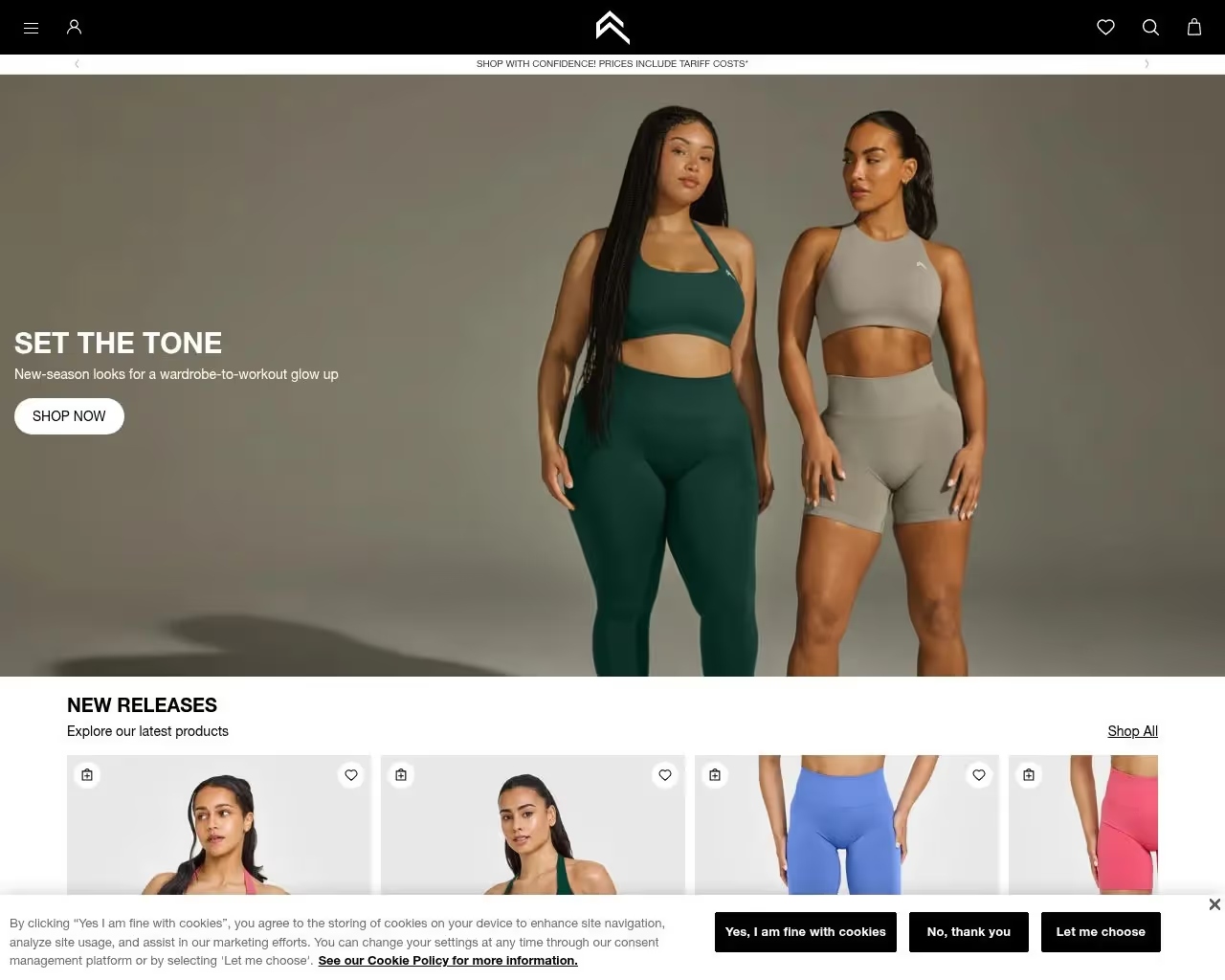
Provides stylish and functional activewear for women.
Top Selling Product
Women's activewear
Country
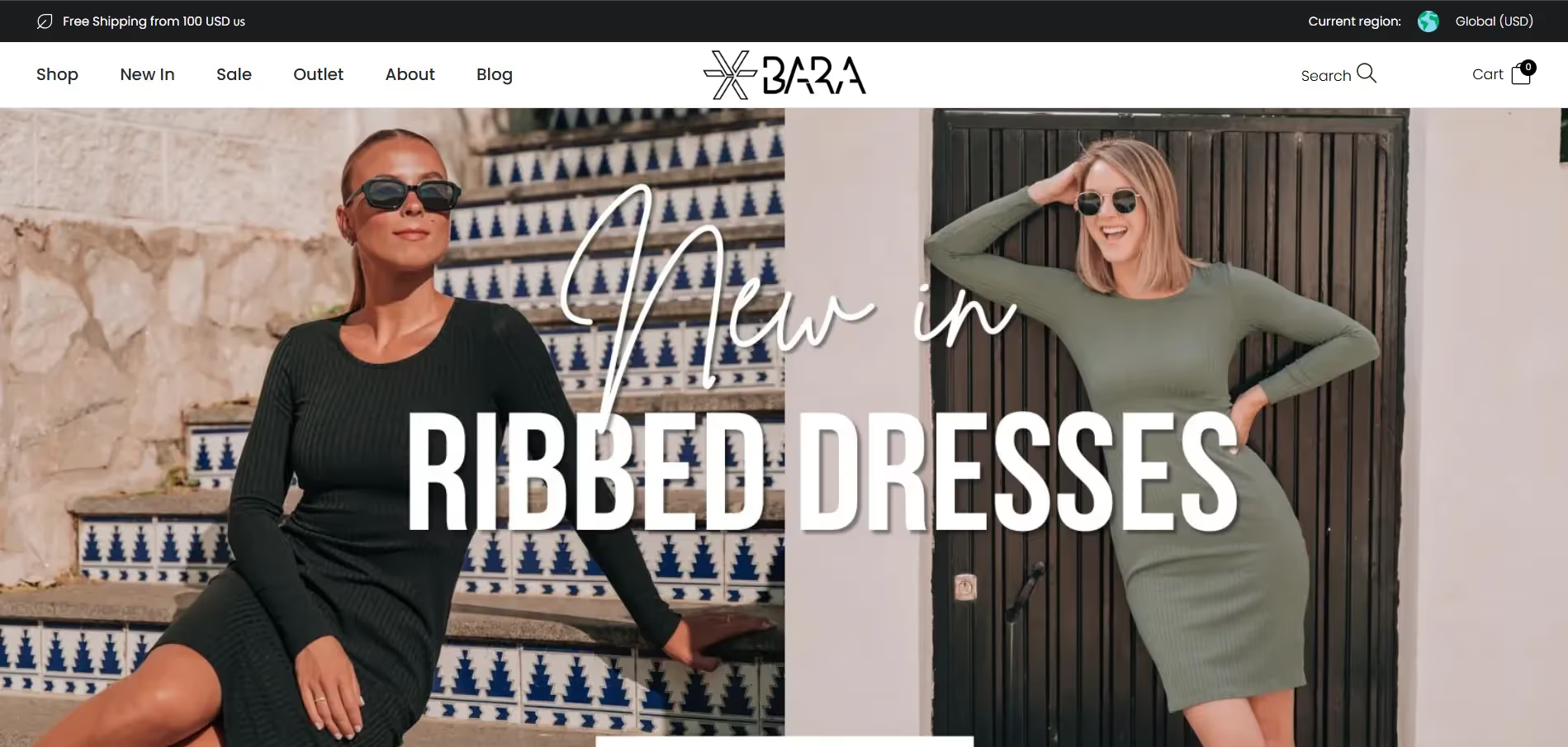
Provides stylish and functional athletic apparel.
Top Selling Product
Athletic wear
Country
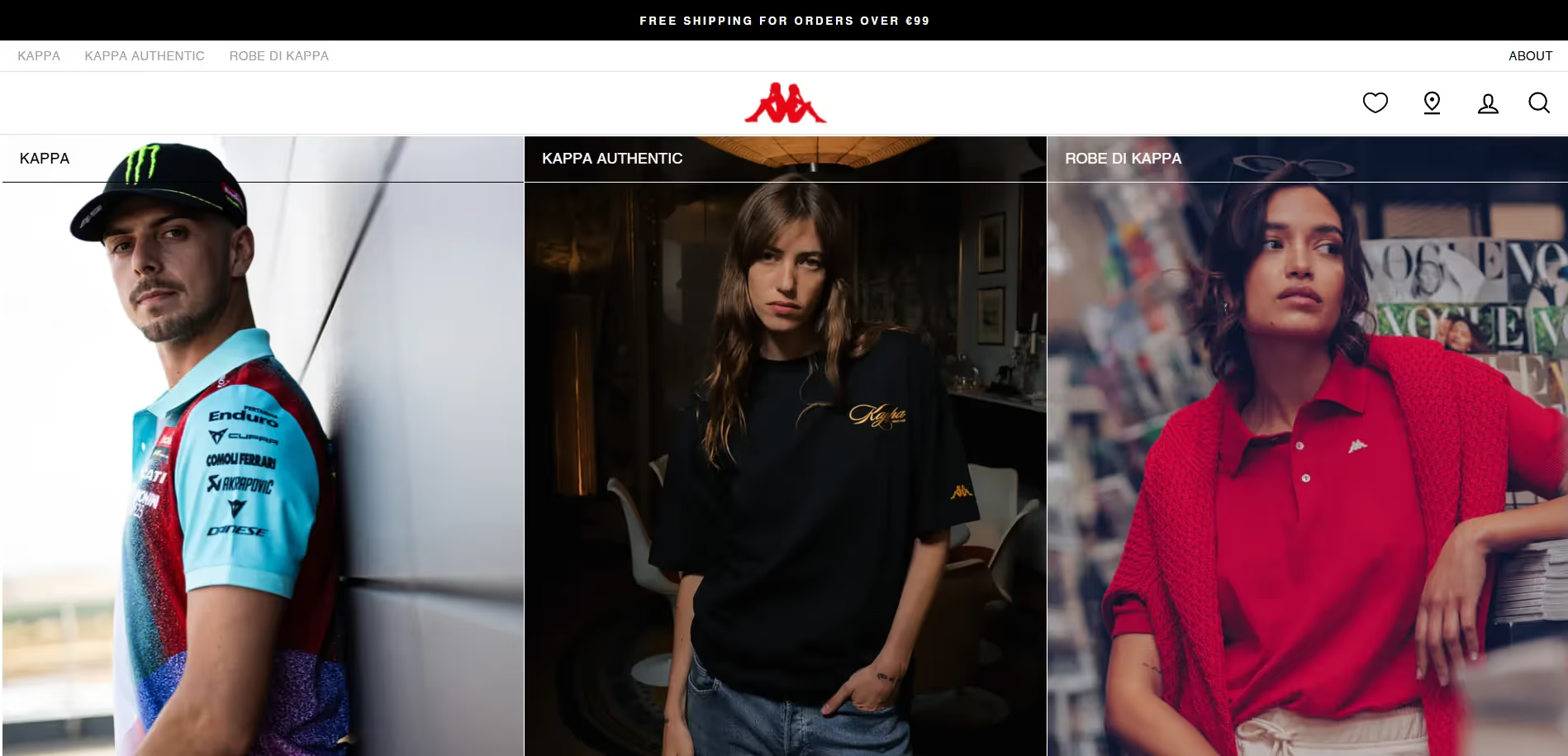
A sportswear brand known for its athletic apparel and accessories.
Top Selling Product
Sportswear
Country
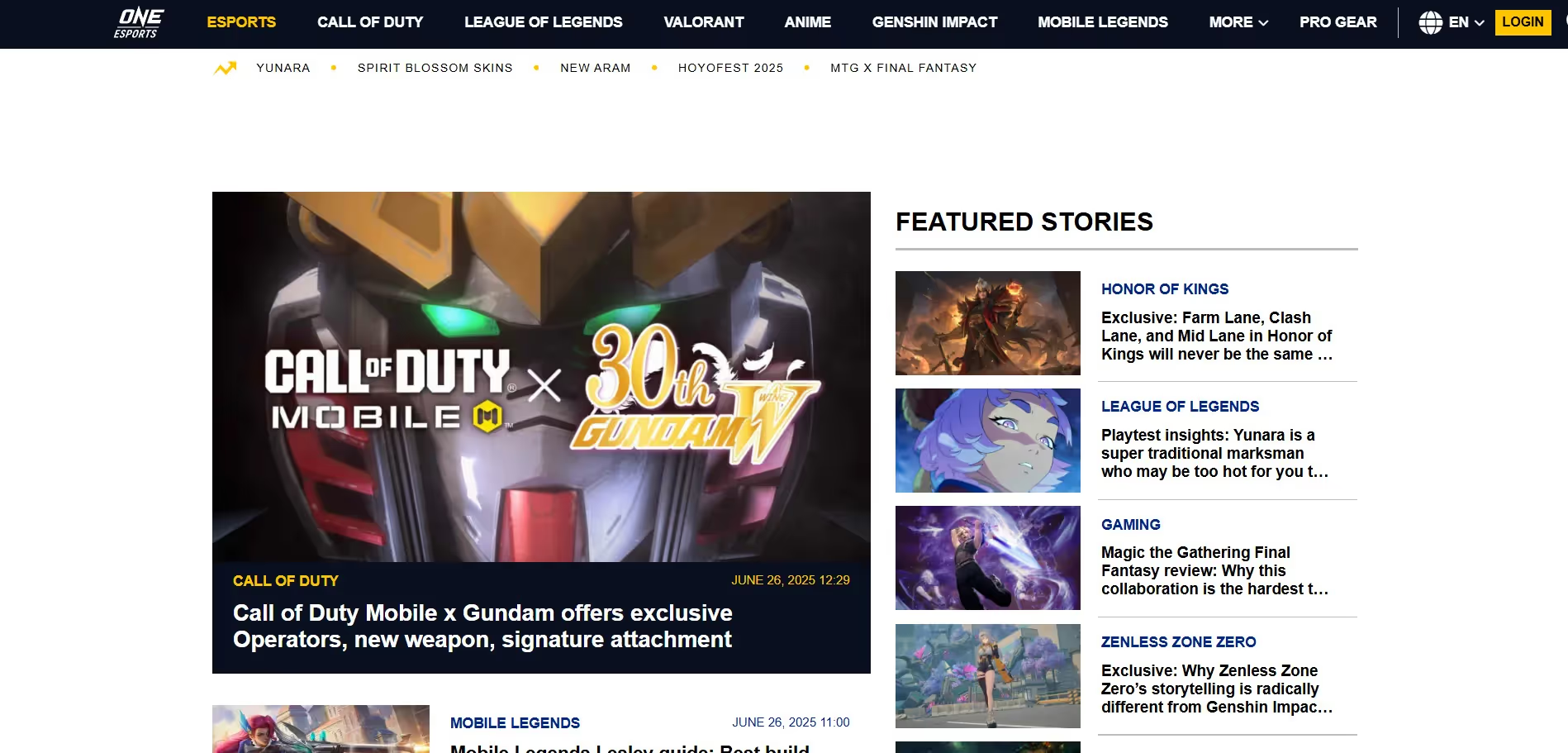
A leading esports media platform in Asia, offering merchandise and content related to esports events.
Top Selling Product
Esports merchandise
Country
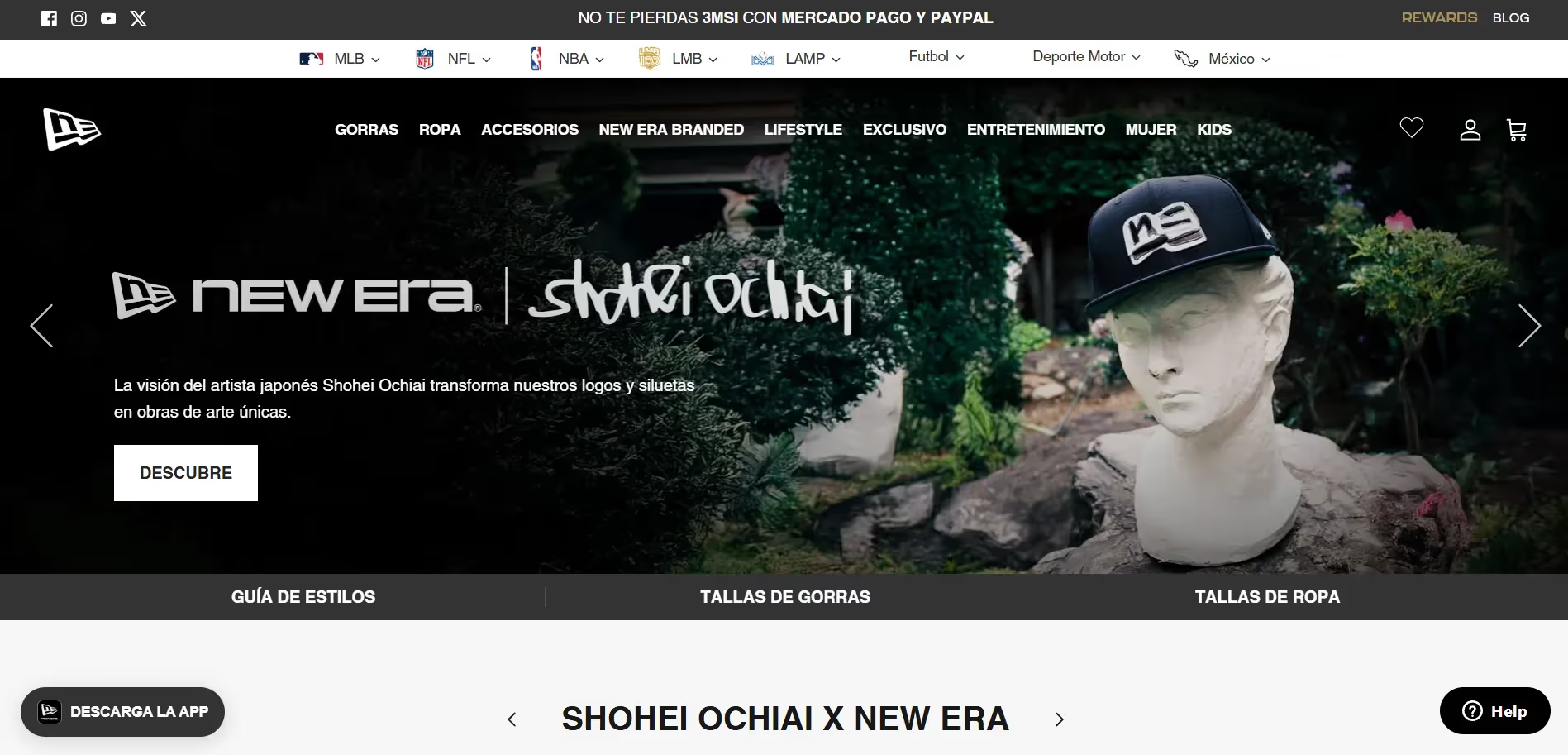
Official Mexican store for New Era, offering a wide range of caps and headwear.
Top Selling Product
Baseball caps
Country
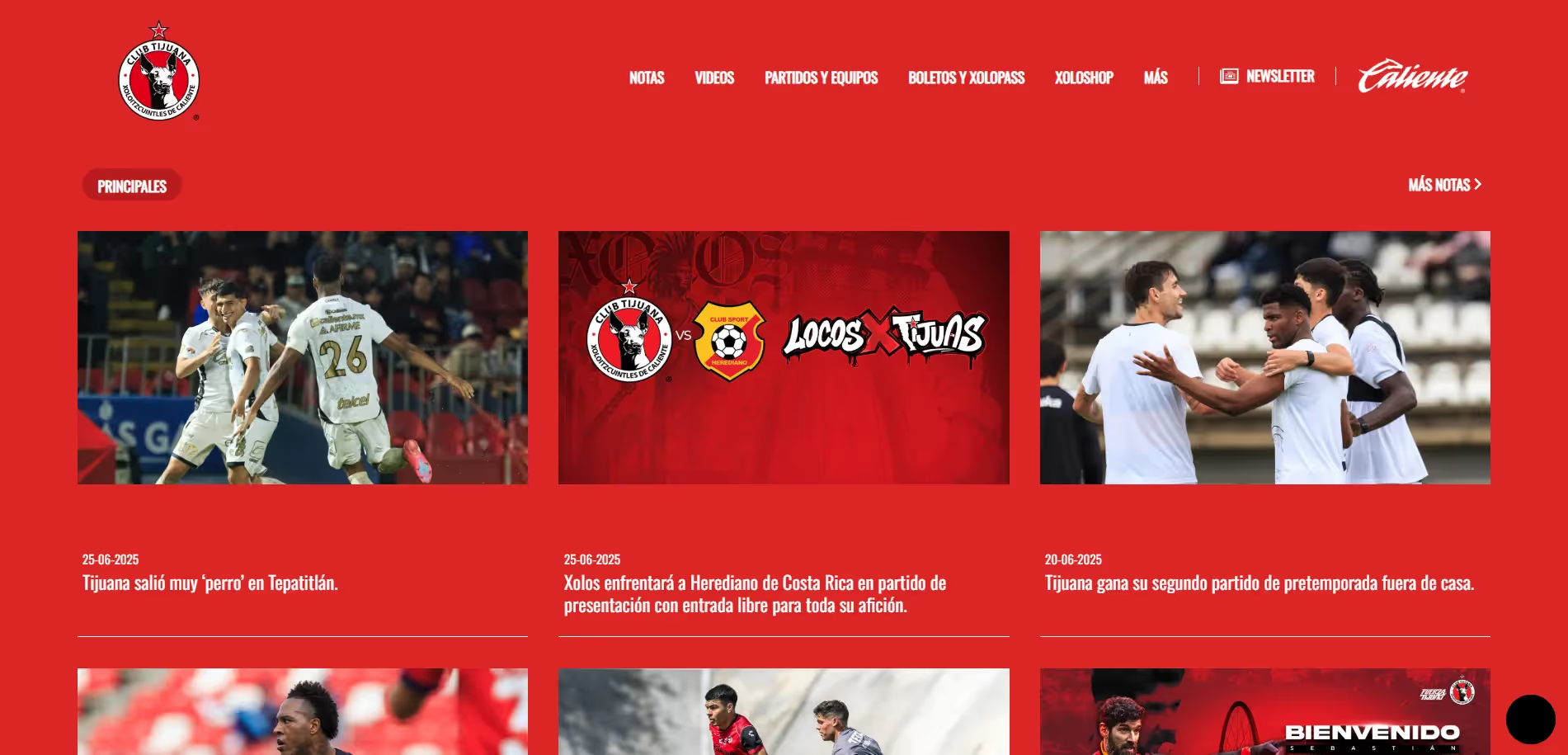
Official store for Club Tijuana Xoloitzcuintles de Caliente, a professional football club in Mexico.
Top Selling Product
Football merchandise
Country
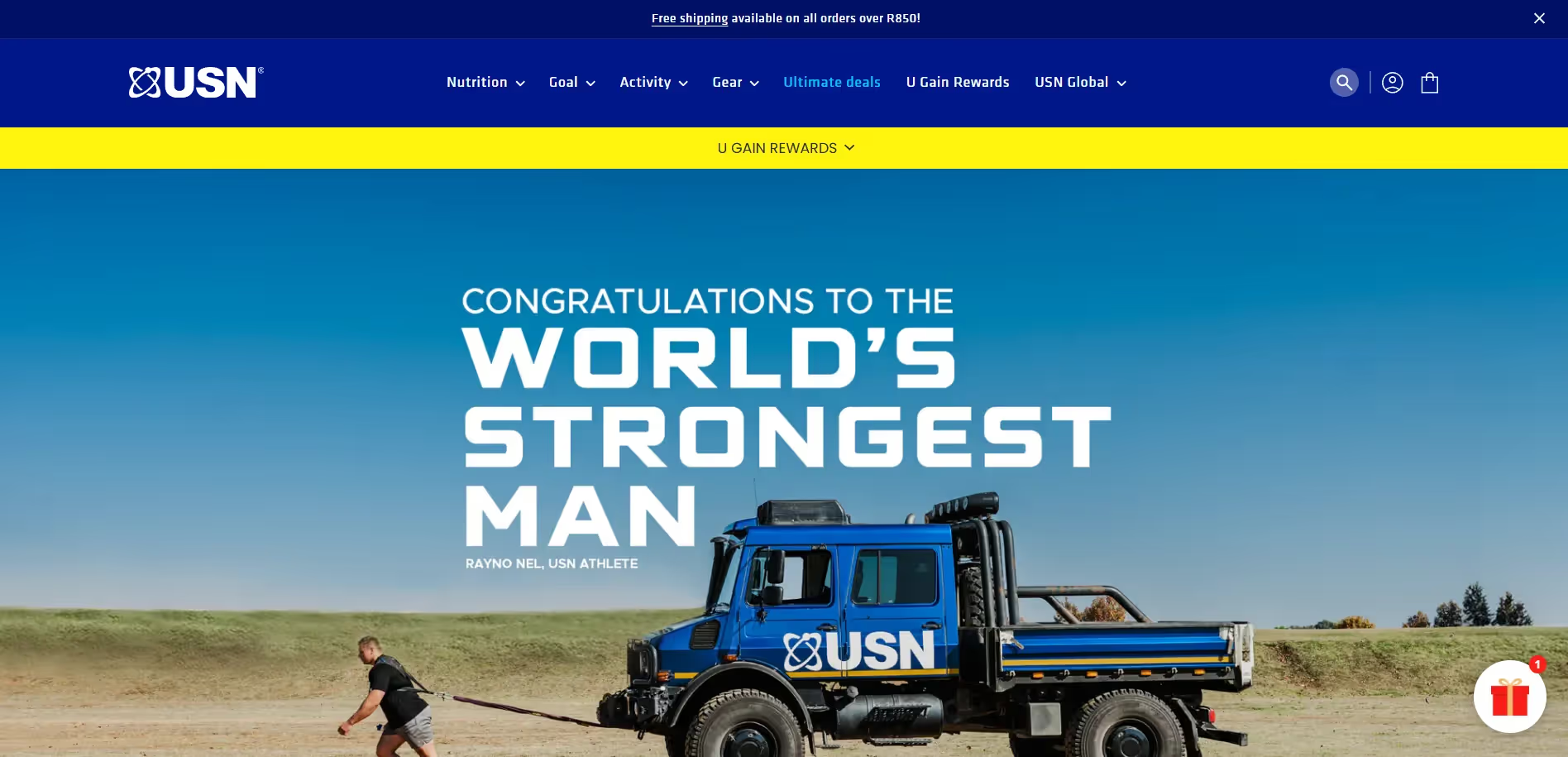
A sports nutrition brand offering supplements and products to enhance performance.
Top Selling Product
Sports nutrition supplements
Country
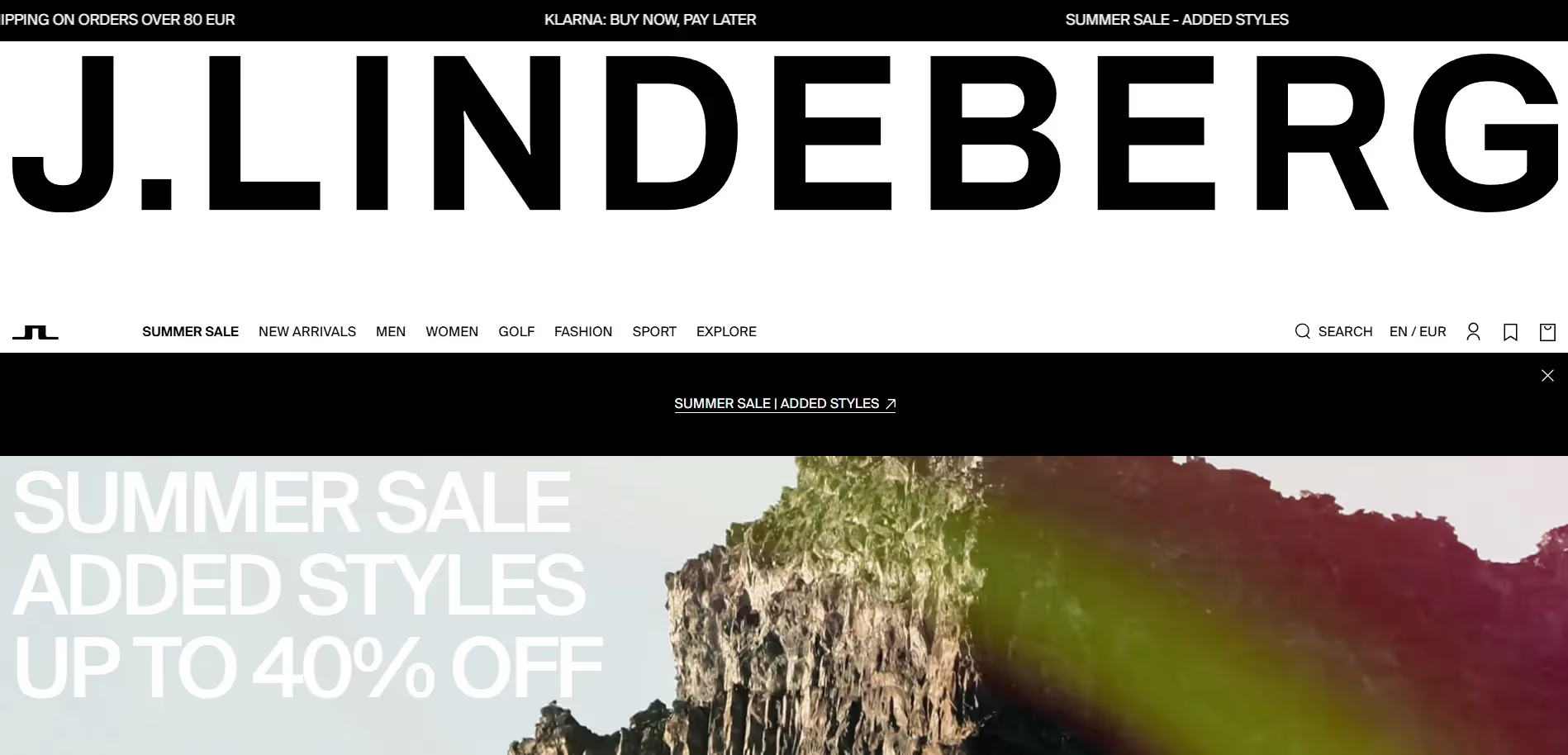
Combines fashion and sportswear, offering stylish clothing for active lifestyles.
Top Selling Product
Golf and ski apparel
Country
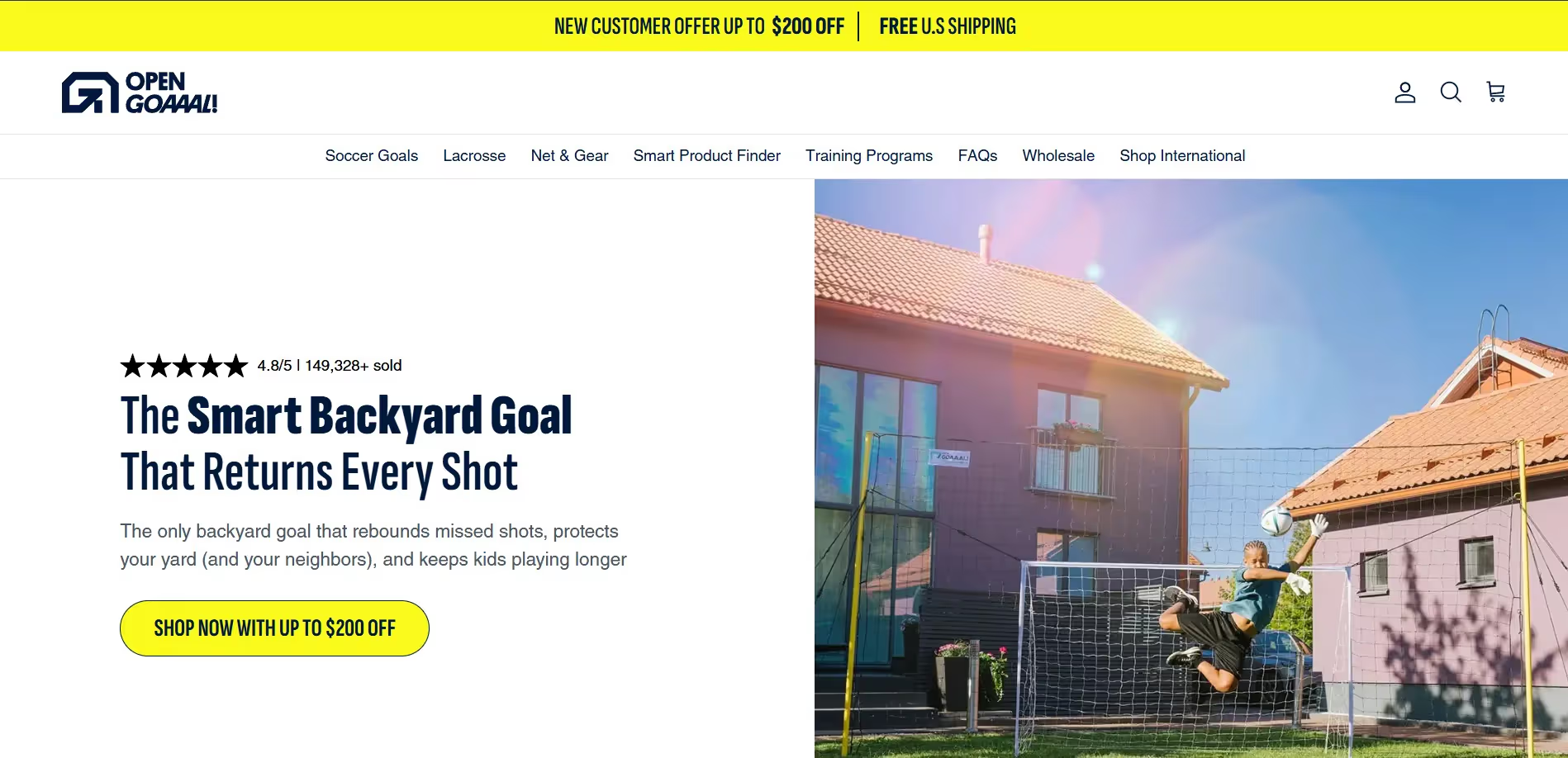
Provides innovative soccer training equipment designed to improve skills.
Top Selling Product
Soccer training equipment
Country
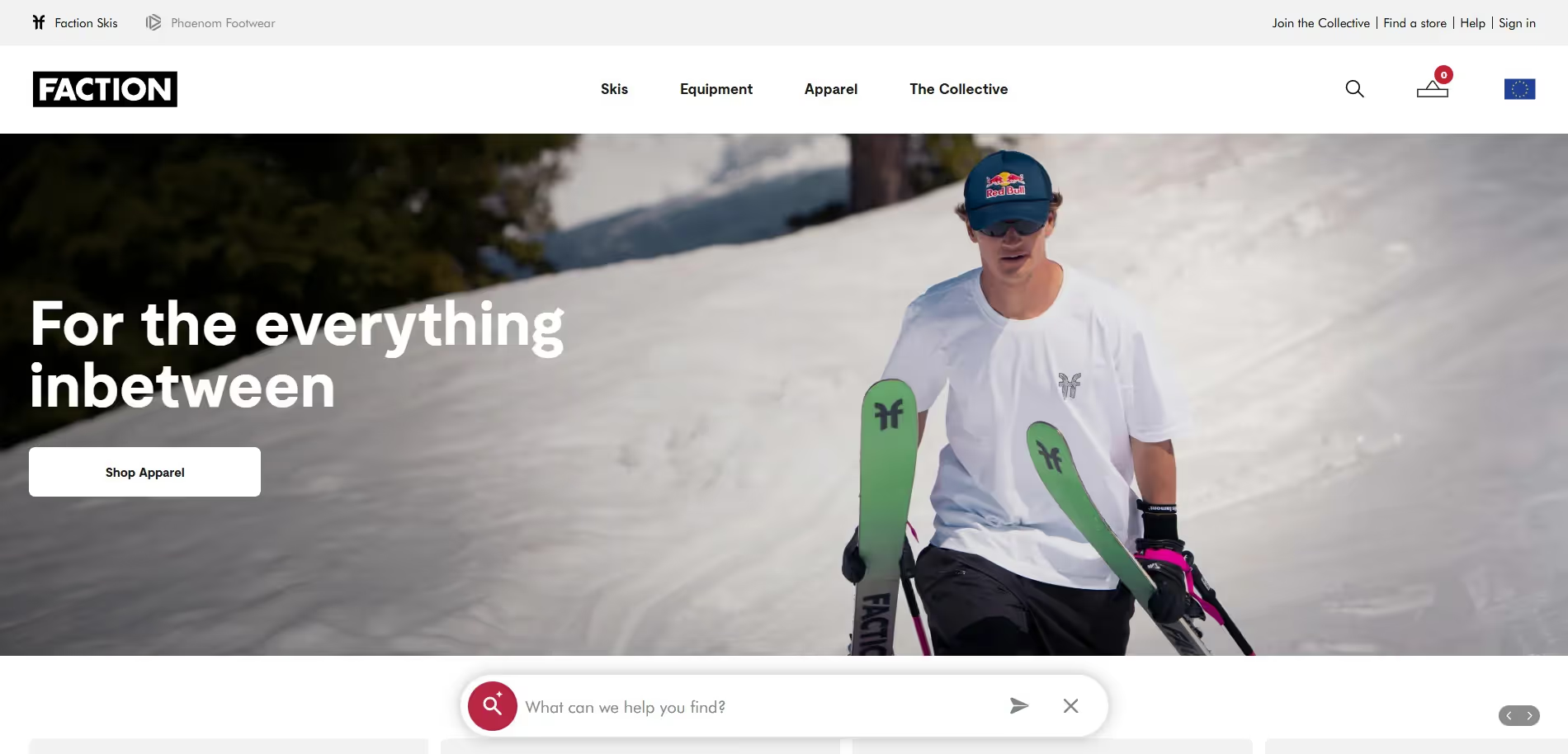
Faction Skis is a Swiss ski manufacturer known for its high-performance skis and innovative designs, catering to freestyle and freeride enthusiasts.
Top Selling Product
Candide 3.0 Skis
Country
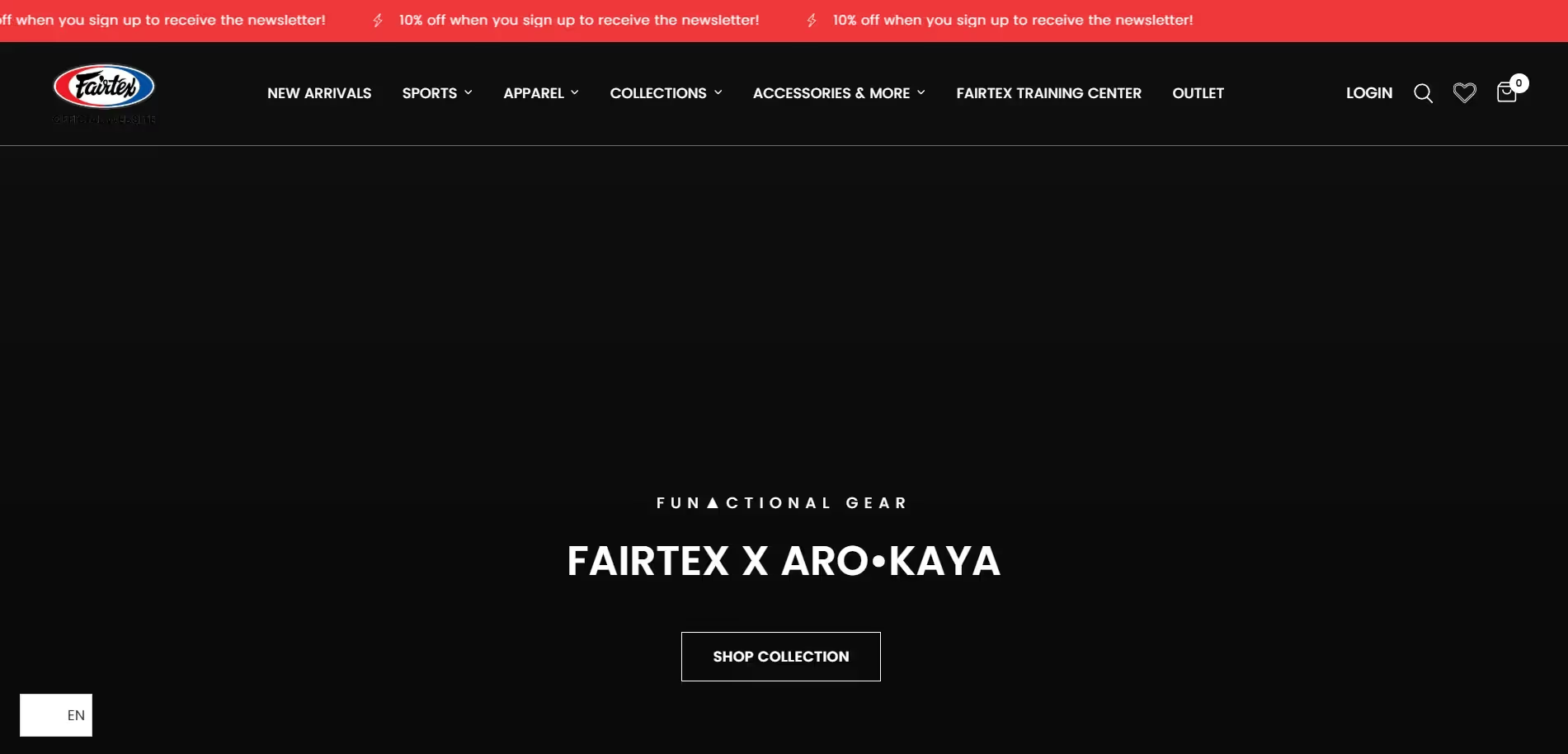
Fairtex is a renowned Thai brand specializing in combat sports equipment and apparel, particularly for Muay Thai and MMA enthusiasts.
Top Selling Product
Muay Thai Gloves
Country
The global sports and activewear market stands at $400 billion and is projected to reach $863 billion by 2033 at a 9.9 to 10.7 percent CAGR. US participation data tells the growth story at the sub-category level: pickleball now has 36 million US players, a 311 percent increase in five years, and padel has seen 250 percent US player growth since 2022. These are not niche sports: they are mainstream participation categories with underserved equipment and apparel markets. Average order values range from $85 to $150, return rates run 25 to 30 percent (driven almost entirely by fit), and repeat purchase rates reach 35 to 50 percent for stores with loyalty or community programmes. NOBULL demonstrated what personalisation infrastructure can do: a Bluecore-powered personalisation programme delivered a 46 percent lift in repeat buyers and 30 percent higher LTV across their $200 million-plus DTC operation.
• NOBULL built a $200-million-plus DTC business by owning the CrossFit and functional fitness community rather than trying to compete on product breadth against established athletic brands. Community-first positioning creates a buyer who purchases identity, not just apparel, and that buyer has a structurally higher LTV than the brand-agnostic performance buyer.
• Gymshark reached a $1.4 billion brand value through an ambassador programme that turned fitness creators into genuine brand advocates. The programme is notable for the early emphasis on micro-influencers with engaged communities rather than macro-influencers with reach but low trust, a model that has since been widely copied but rarely executed as effectively.
• Lululemon translates in-store community events into DTC loyalty by using local yoga and running events as both acquisition and retention tools. The brand's community infrastructure generates a repeat purchase rate and brand affinity that no paid media programme can replicate at equivalent cost.
• Helly Hansen achieved 11.5 percent growth in 2025 by successfully bridging the technical and lifestyle positioning that most outdoor brands struggle to execute, creating a product range that performs for serious sailors and trail runners while appealing to urban buyers who want the credibility signal of technical outerwear.
• Pickleball and racket sports are the most underserved equipment and apparel categories relative to participation growth. With 36 million US players and limited premium DTC options, the opportunity for a brand that owns the pickleball identity is significant.
• Padel is earlier in its growth curve (250 percent player growth since 2022) and almost entirely unaddressed by established DTC brands, representing a first-mover opportunity in equipment, footwear, and apparel.
• Sustainable activewear continues to grow, with over 40 percent of activewear buyers now prioritising sustainability as a purchase criterion. Brands that lead with material transparency and manufacturing provenance are outperforming generic sustainable claims.
• Women's performance sports remains structurally underserved relative to men's, particularly in technical categories like trail running, cycling, and outdoor sports where product design has historically been afterthought-level.
• Outdoor and trail sports are benefiting from the broader shift toward active outdoor recreation, with premium trail running and hiking apparel outperforming general activewear in YoY growth.
• Seasonal revenue concentration is the defining operational challenge in this category. January drives by far the largest purchase spike, and brands without year-round retention programmes see 60 percent or more of their annual revenue in Q1. Community infrastructure, sport-specific content, and loyalty programmes are the primary tools for smoothing the seasonal curve.
• Returns at 25 to 30 percent are driven overwhelmingly by fit issues. Size chart accuracy and fit-focused photography (on-model from multiple angles, with size and height information clearly displayed) are the two primary levers for reducing return rates without degrading conversion.
• No community infrastructure is the single largest LTV gap in sports DTC. Buyers in this category purchase their identity: their sport, their training style, their community. Brands without community content, challenges, or events have 40 percent lower LTV than those with even a minimal community programme.
• Overcrowded midmarket positioning with generic "activewear brand" messaging has near-zero organic discoverability. The brands that are growing in 2026 are sport-specific, community-specific, or demographic-specific rather than trying to serve all active buyers with a single message.
• Gross margin: 50 to 65 percent for premium activewear brands
• AOV: $85 to $150 depending on product type and brand positioning
• Return rate: 25 to 30 percent (primarily fit-driven; lower for brands with AI sizing tools)
• CVR: 2.0 to 3.5 percent average; higher for sport-specific stores with targeted traffic
• Repeat purchase rate: 35 to 50 percent within 12 months for stores with loyalty or community programmes
Fit uncertainty drives 25 to 30% return rates in sportswear, almost entirely caused by inaccurate size selection on items with performance-critical fit requirements. Kiwi Size Chart and Recommender provides dynamic size recommendations based on body measurements, sport activity, and garment-specific compression and fit notes, and sportswear stores deploying it report return rate reductions of 6 to 10 percentage points, which in a category with tight margins represents a substantial improvement in per-order profitability.
Community loyalty infrastructure is the single largest LTV differentiator in sports DTC: buyers in this category purchase their sport identity as much as their gear, and brands that build community-connected loyalty programmes see 40% higher LTV than those with transactional points-only mechanics. Smile.io is the most deployed loyalty platform in sports DTC, and its tier structure works well for the seasonal purchase pattern of sports buyers who make significant investments at the start of each training season and benefit from VIP status that carries across their annual cycle.
Sport-specific kit building is the highest-AOV purchase pattern in this category, and stores that offer complete sport packages (pickleball racket, grip tape, court shoes, training shorts) capture dramatically more per visit than those relying on individual product discovery. Easy Bundle Builder by Skai Lama powers sport-specific kit mechanics with mix-and-match options that let buyers customise their kit from within a curated range, alongside pre-built starter kits for specific sports that serve the new participant who needs guidance on what to buy.
Promotional mechanics are particularly effective at the start of the sports participation season (January for most indoor sports, spring for outdoor activities) when buyer intent and budget are highest. Kite: Free Gifts and Discounts by Skai Lama automates seasonal promotional campaigns including free accessory additions above a spend threshold, BOGO on training essentials, and tiered spend discounts on full kit purchases, with native Shopify Functions ensuring the mechanics apply correctly across the full purchase flow.
Sports nutrition and recovery consumables have natural subscription economics that extend the revenue relationship between apparel and equipment purchases throughout the year. Recharge Subscriptions enables protein powder, supplement, and recovery product subscriptions for sports stores that carry nutrition alongside apparel, converting the one-time buyer into a recurring customer on a 30-day replenishment cycle that maintains brand touchpoints between seasonal gear purchases.
Sports and sportswear rewards specificity in both product and community. The brands building durable businesses in 2026 are not trying to be the next Lululemon. They are owning the pickleball player, the trail runner, or the functional fitness athlete and building deep community around a specific identity. The participation growth in emerging sports like pickleball and padel represents a window to establish category ownership before the larger brands arrive. Operators who combine sport-specific positioning with fit technology, community infrastructure, and year-round retention programmes are building the LTV curves that justify premium pricing and sustained acquisition investment.

Top sportswear stores sell activewear, compression gear, running shoes, fitness accessories, recovery tools, and performance nutrition. Some focus on niche audiences like cyclists, runners, or CrossFit athletes. Many brands integrate fashion and function to appeal to both serious athletes and everyday users. Skailama improves the shopper experience by offering size charts, sport-specific FAQs, and real-time gear recommendations.
Yes, quality Shopify sportswear stores categorize products by use-case, sport intensity, and experience level. With Skailama, brands can present guided FAQ journeys tailored to different fitness levels—whether someone’s just starting or prepping for a marathon.
Yes, many offer bundles such as starter kits, workout outfits, or monthly gear drops. Skailama boosts upselling by automating FAQ prompts about bundle benefits, renewal plans, and cross-sell opportunities—improving both cart value and retention.
Most sports stores offer a 14–30 day return or exchange policy, especially for sizing concerns. Items must typically be unworn and returned with tags. Skailama simplifies returns with automated eligibility checks, real-time return FAQs, and customer self-service dashboards—reducing friction and increasing satisfaction.