

Our Apps Have Driven
5X AOV | 2X Conversions | $30M+ Additional Revenue
5X AOV | 2X Conversions | $30M+ Additional Revenue
.svg)


5.0 (3000+ Reviews)


Shopify Apps





.svg)

Tailor your search to find the perfect Shopify store.
Categories
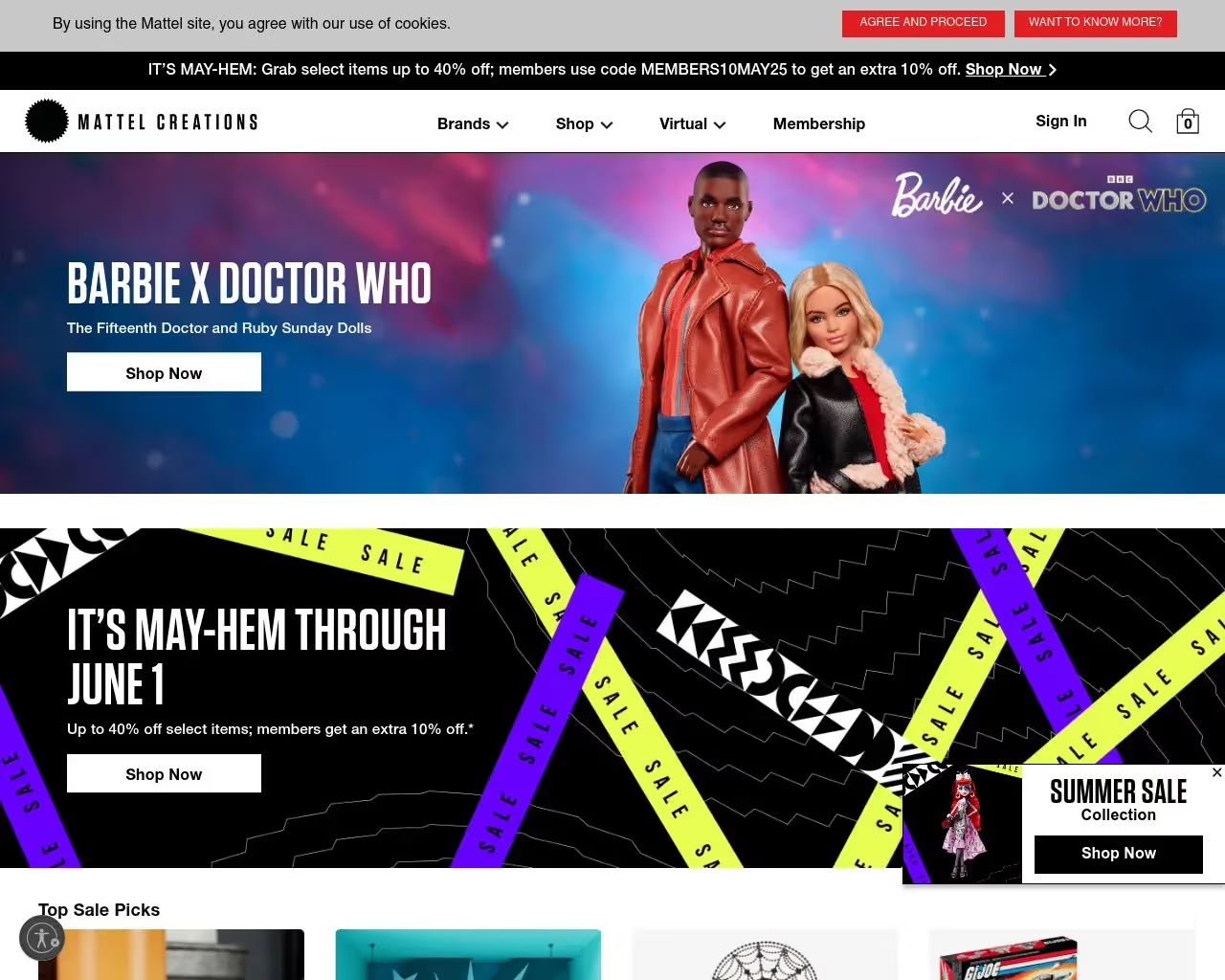
Mattel Creations is the collector and designer hub of Mattel, offering limited-edition toys and collaborations. They cater to enthusiasts looking for unique and nostalgic items.
Top Selling Product
Limited-Edition Barbie Dolls
Country
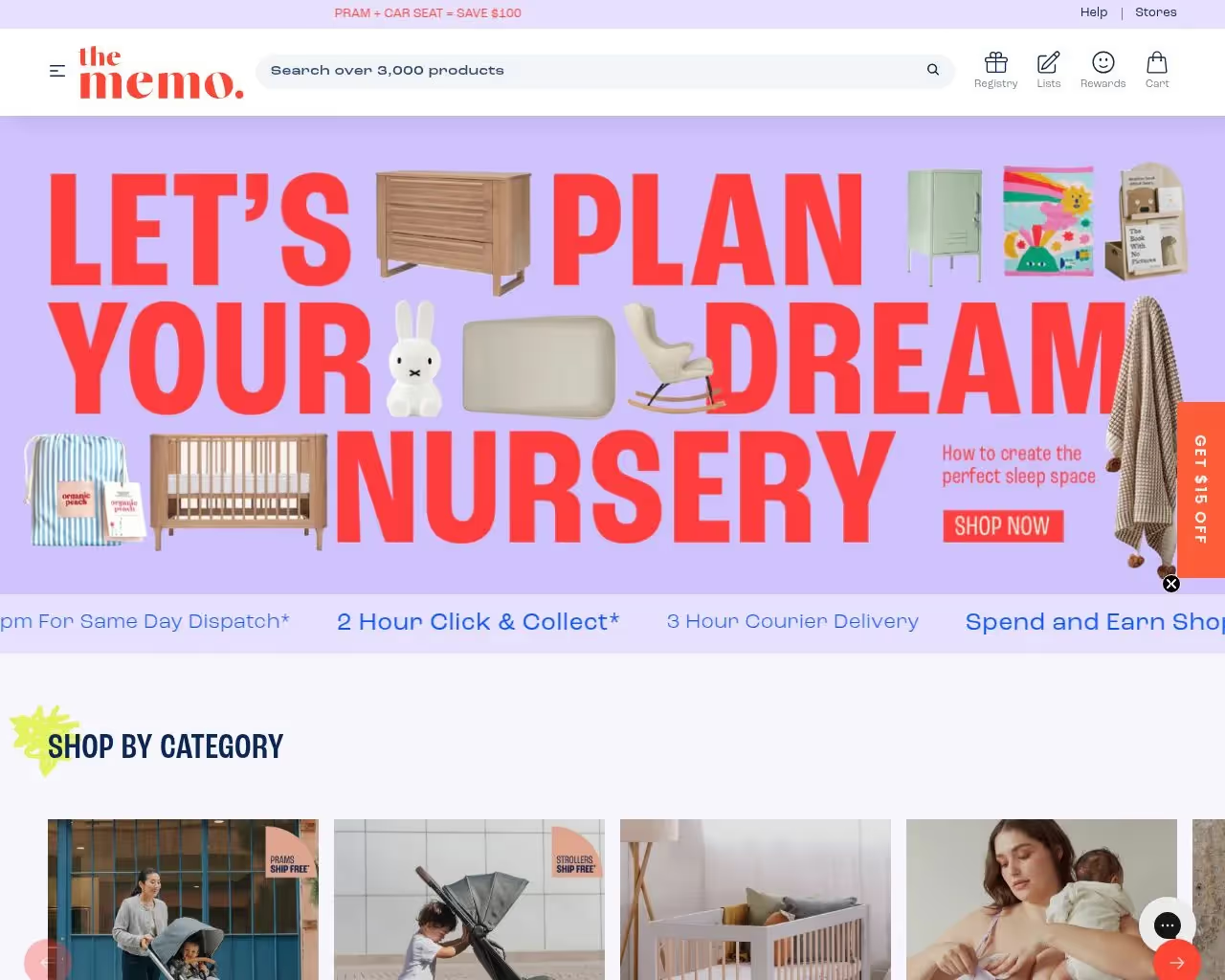
Curates a selection of essential baby products, aiming to simplify the shopping experience for new parents.
Top Selling Product
Baby essentials bundles
Country
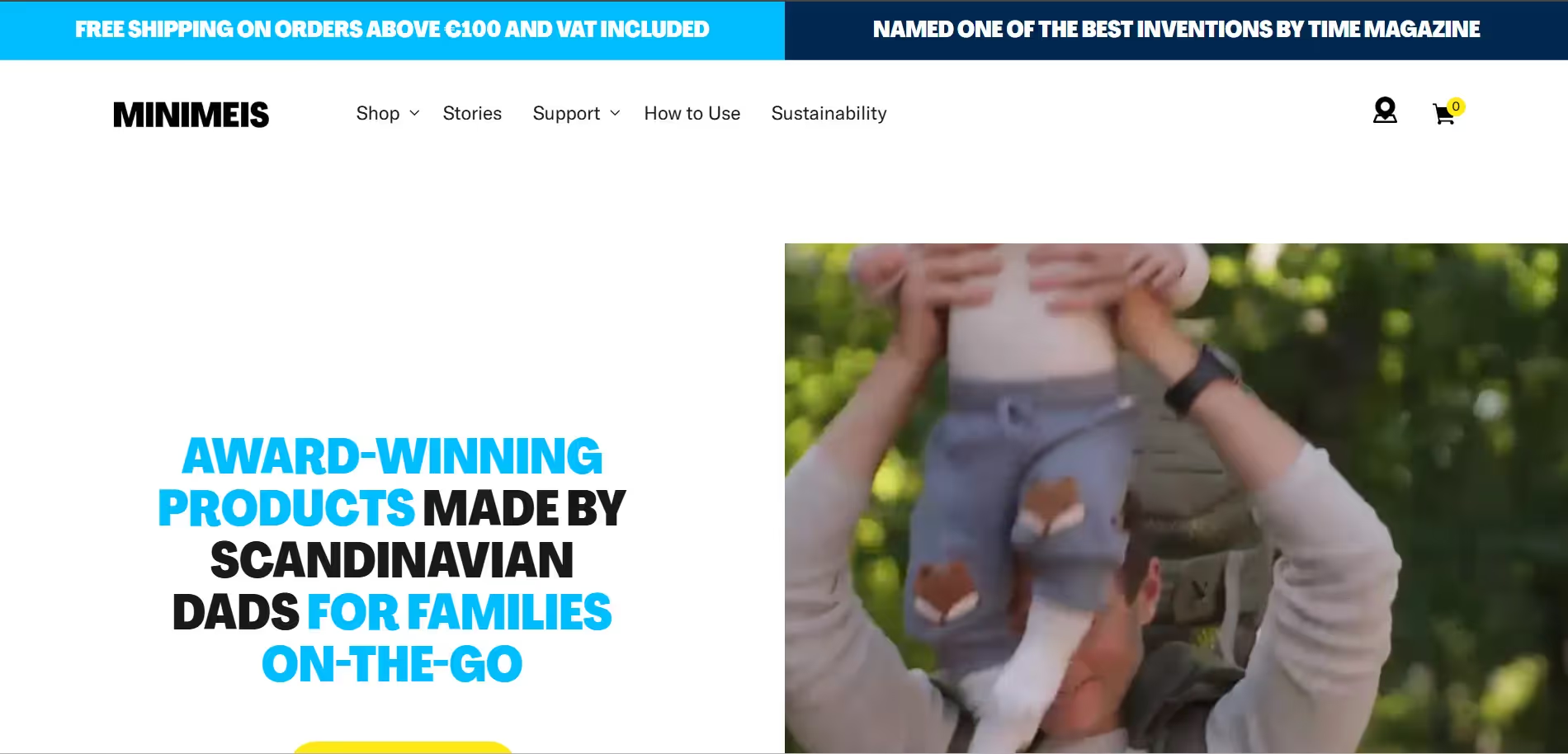
Provides innovative child carriers.
Top Selling Product
Child carriers
Country
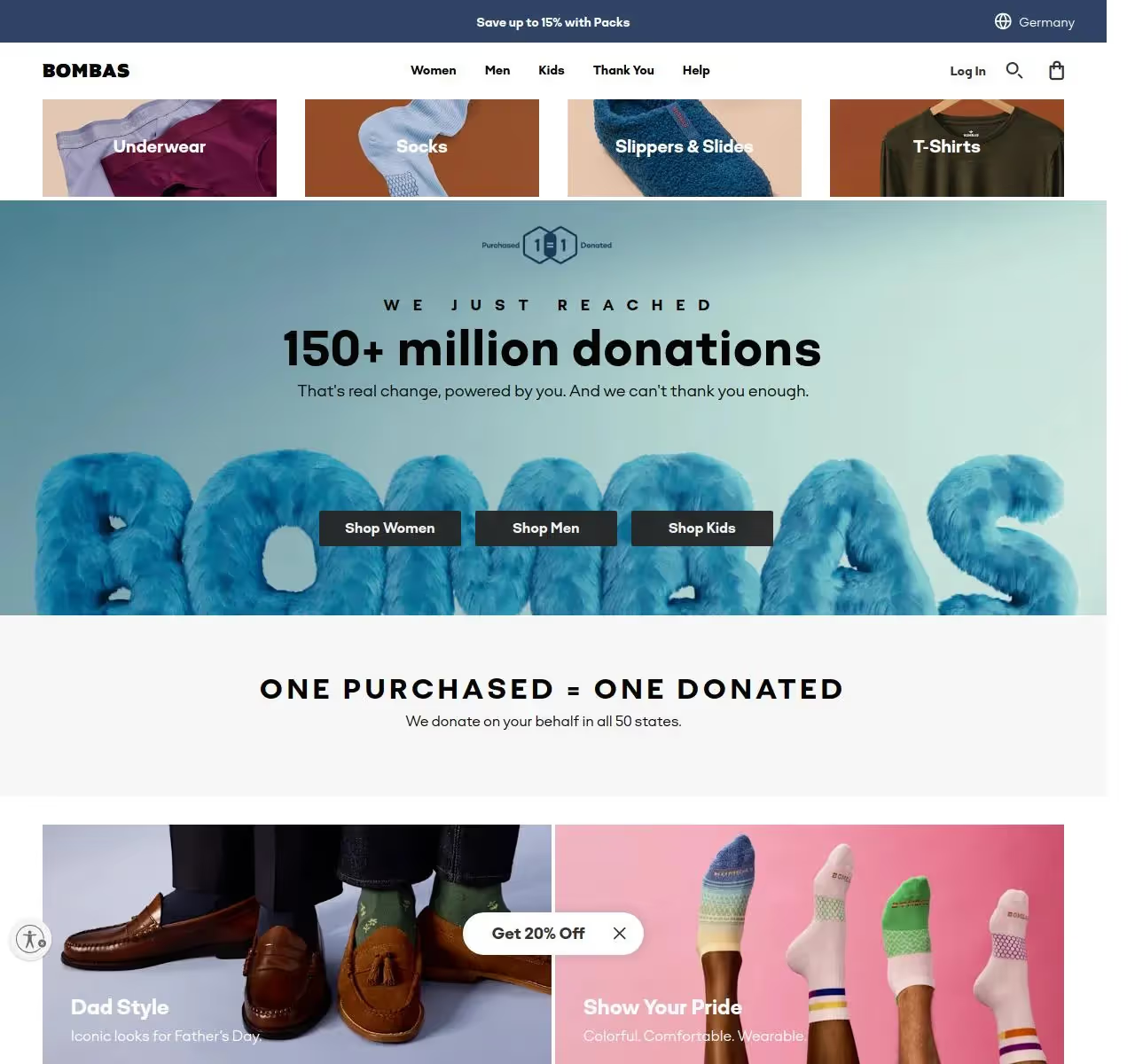
A comfort-focused apparel brand that donates an item for every item sold. Bombas is renowned for its high-quality socks and commitment to social impact.
Top Selling Product
Comfortable socks
Country
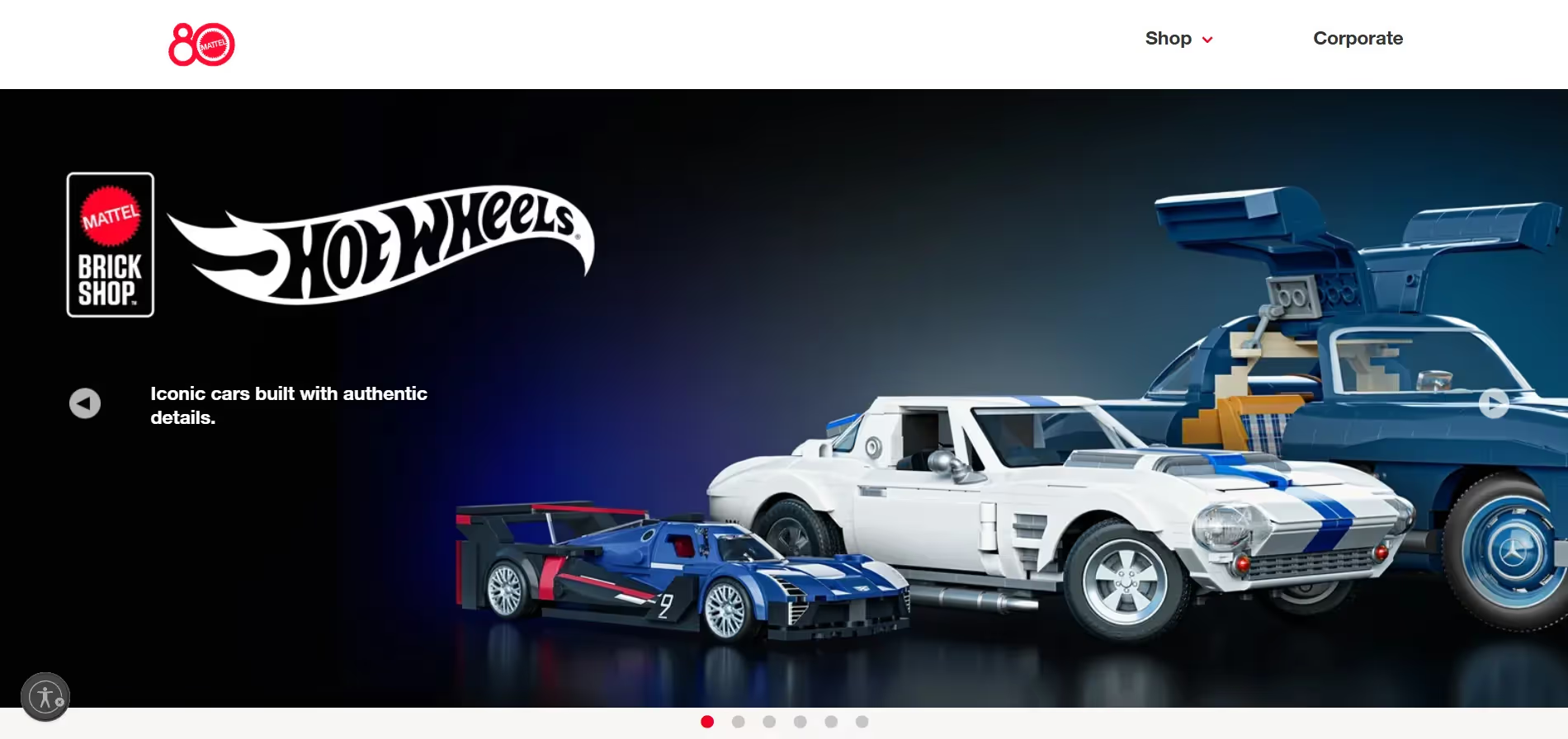
A global toy company offering a wide range of toys and games.
Top Selling Product
Toys and games
Country
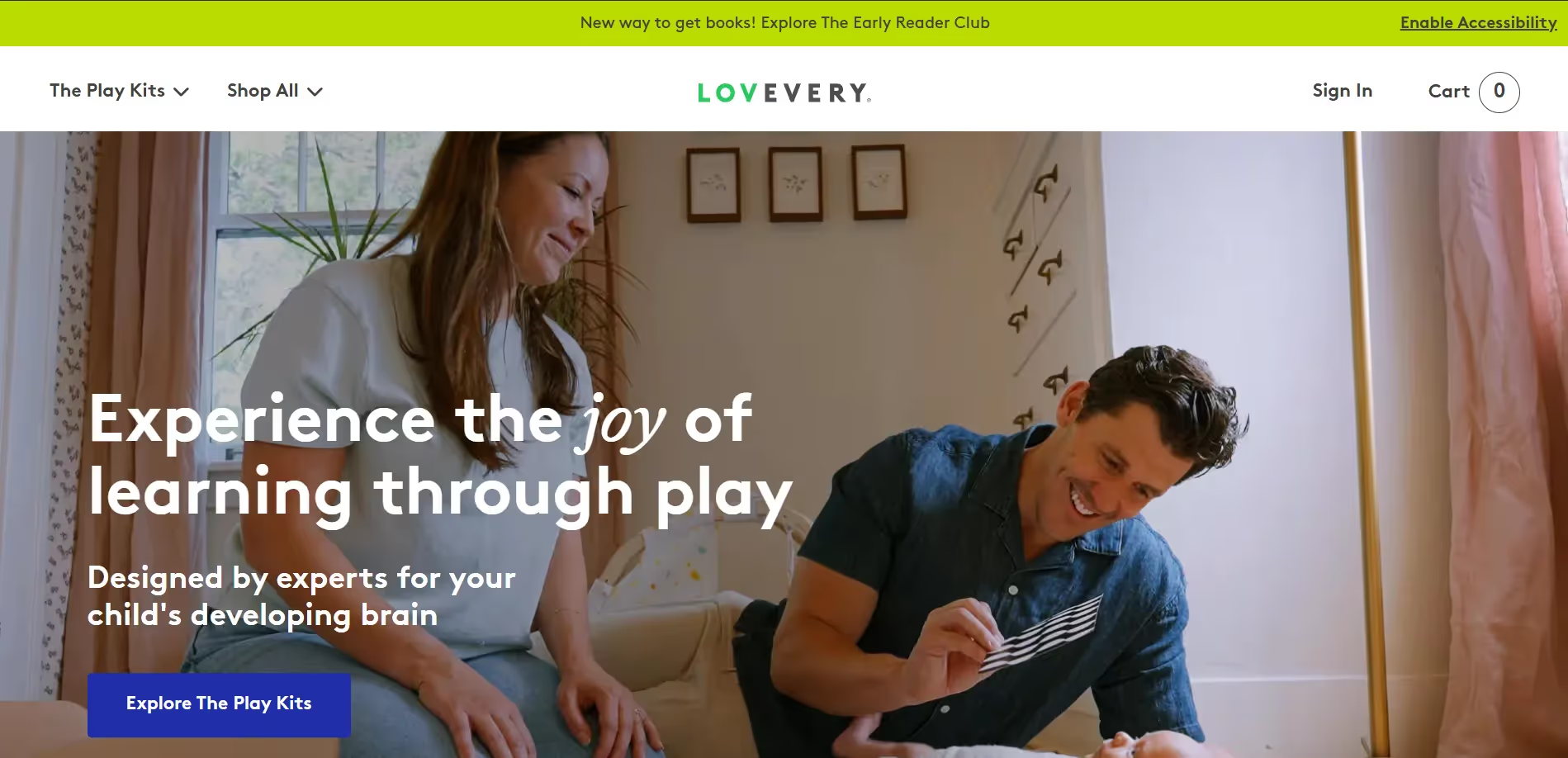
Provides developmental toys and products for children.
Top Selling Product
Developmental toys
Country
Online bookstore offering a vast collection of books and educational materials.
Top Selling Product
Books and educational materials
Country
A brand offering high-quality spray paints and graffiti art supplies.
Top Selling Product
Spray paint products
Country
A retail chain specializing in products for children, including clothing, toys, and school supplies.
Top Selling Product
Children's products
Country
Provides publishing services and access to academic journals and books.
Top Selling Product
Academic publications
Country
The official store for Moomin merchandise, offering a wide range of products featuring the beloved Finnish characters.
Top Selling Product
Moomin-themed products
Country
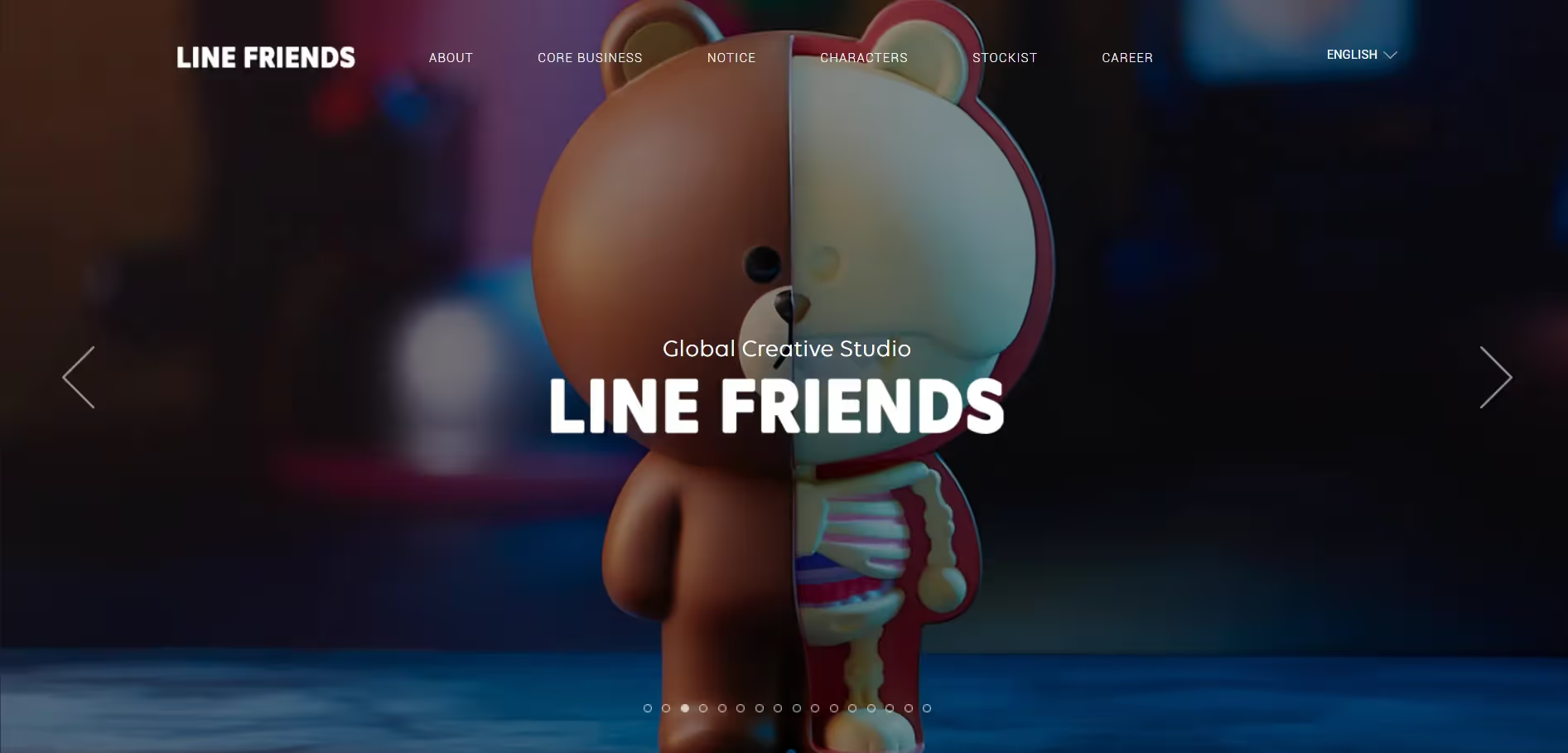
Line Friends offers character-based merchandise featuring popular characters like Brown and Cony, expanding into various products including stationery, accessories, and home goods.
Top Selling Product
Character Plush Toys
Country
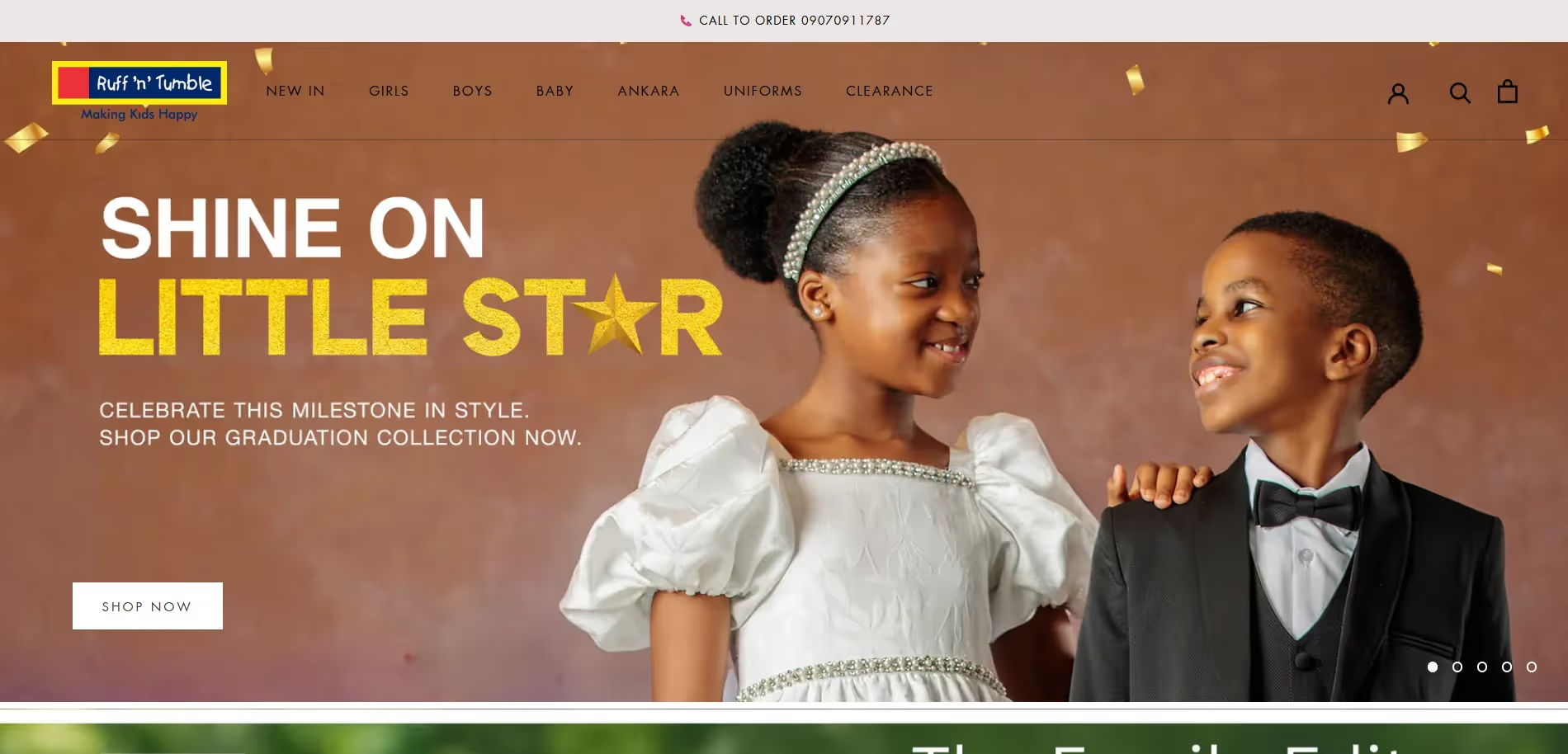
Ruff 'n' Tumble is a renowned children's clothing brand in Nigeria, offering stylish and high-quality apparel for kids of all ages.
Top Selling Product
Ankara Dresses for Girls
Country
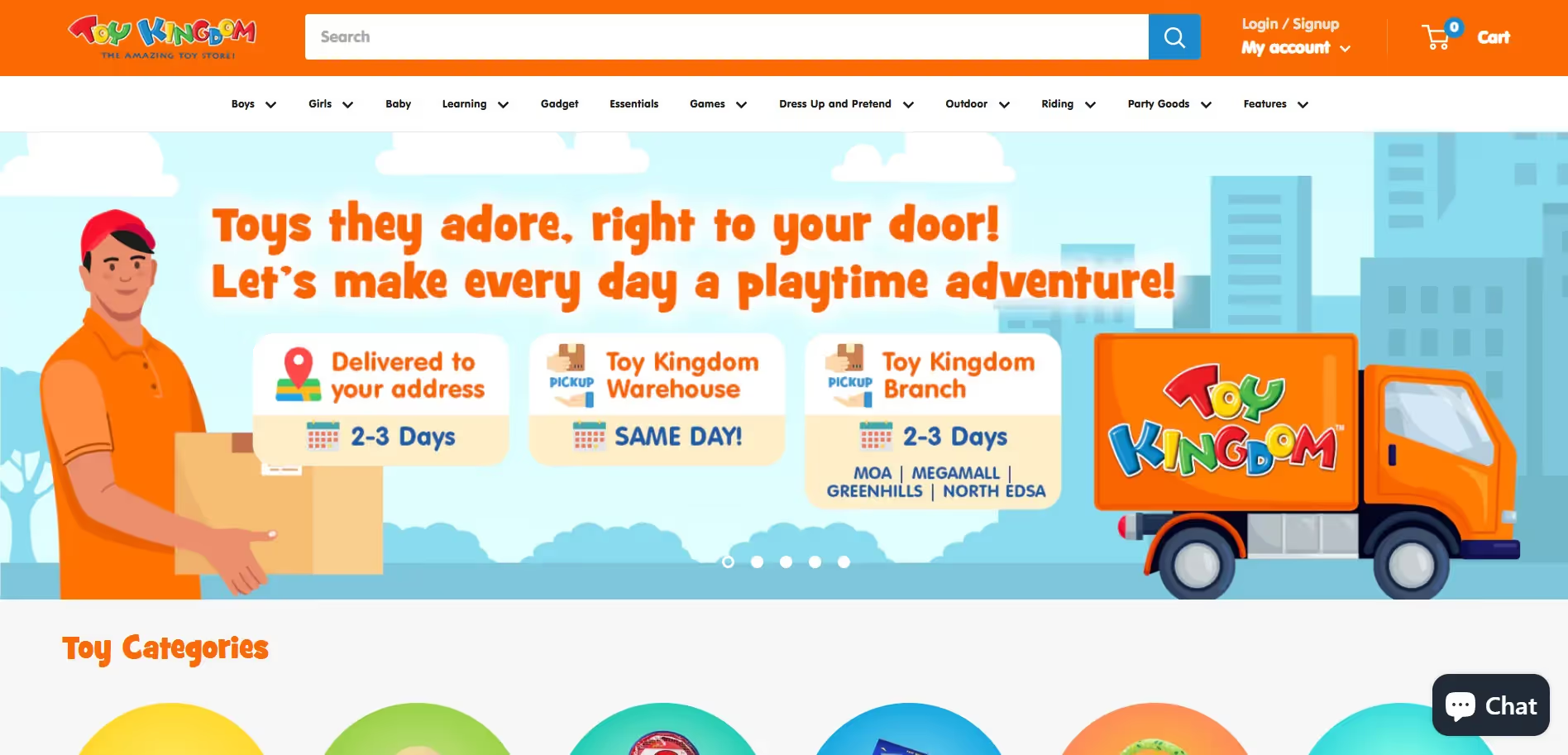
Toy Kingdom is a leading toy store in the Philippines, providing a wide assortment of toys, games, and educational products that bring joy to children and the young at heart.
Top Selling Product
LEGO Building Sets
Country
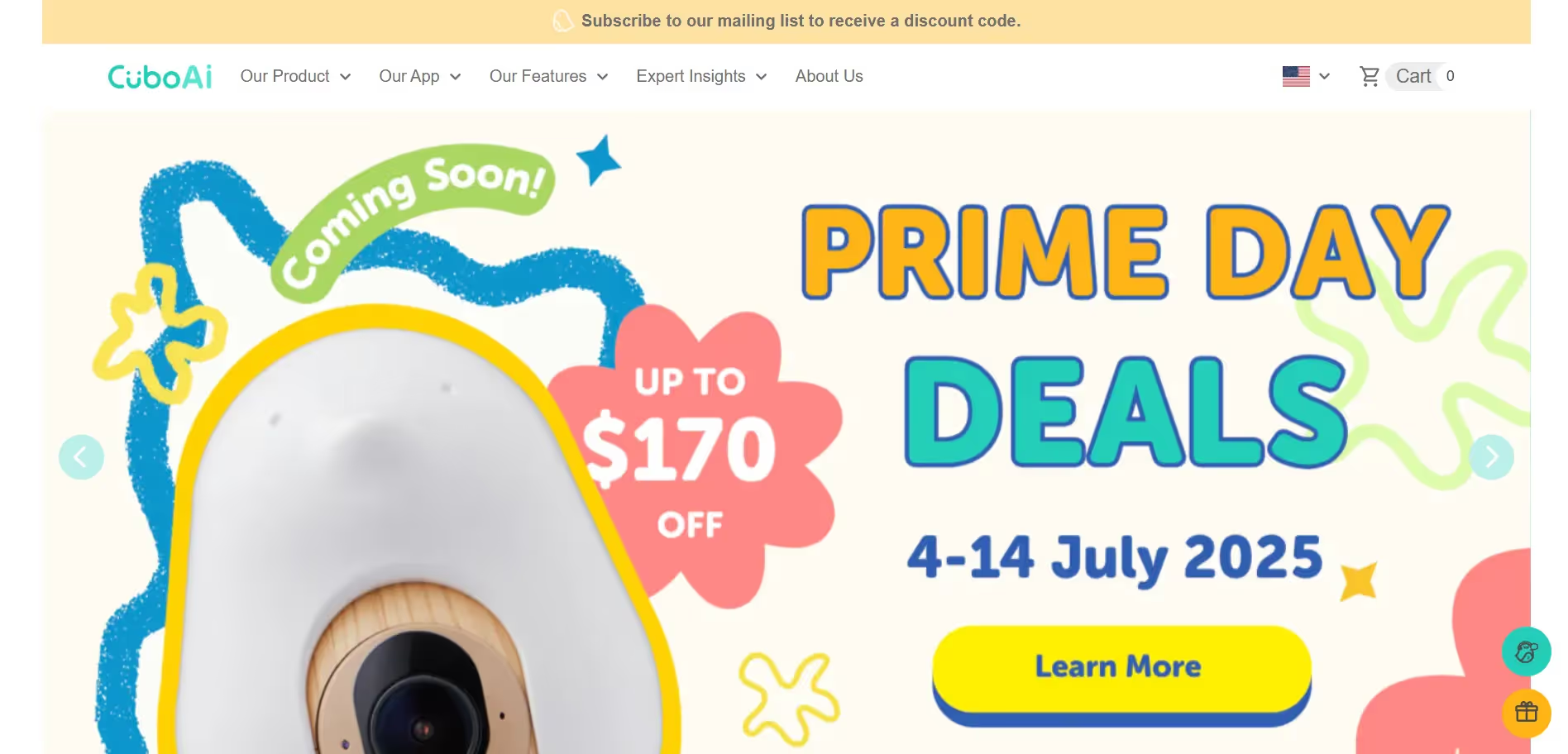
CuboAi provides smart baby monitors equipped with AI technology to ensure baby safety and sleep monitoring.
Top Selling Product
CuboAi Plus Smart Baby Monitor
Country
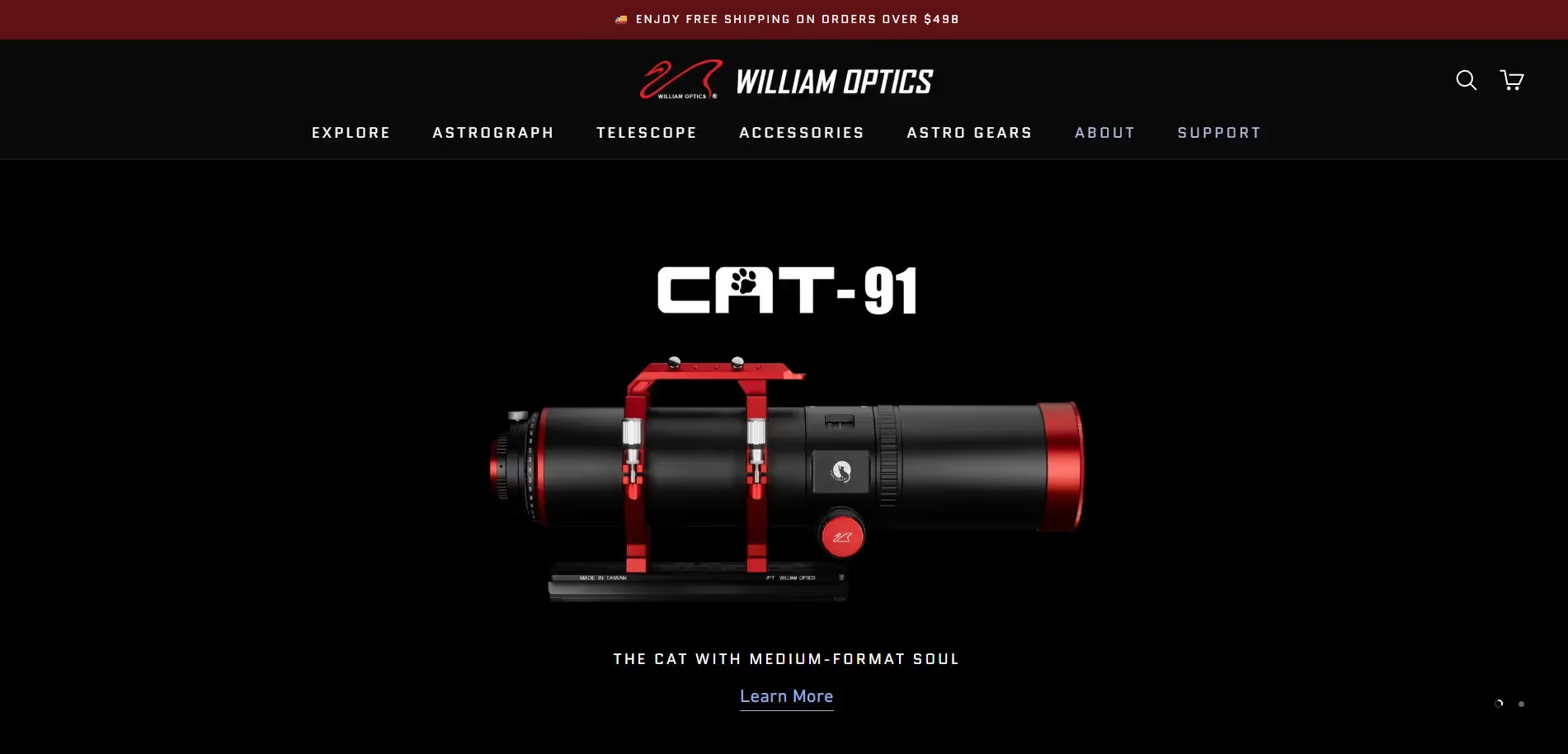
William Optics offers high-quality astronomical telescopes and accessories, serving both amateur and professional astronomers.
Top Selling Product
ZenithStar 73 Telescope
Country
Western AC specializes in toys and games, providing a wide range of products for children of all ages.
Top Selling Product
Educational Toys
Country
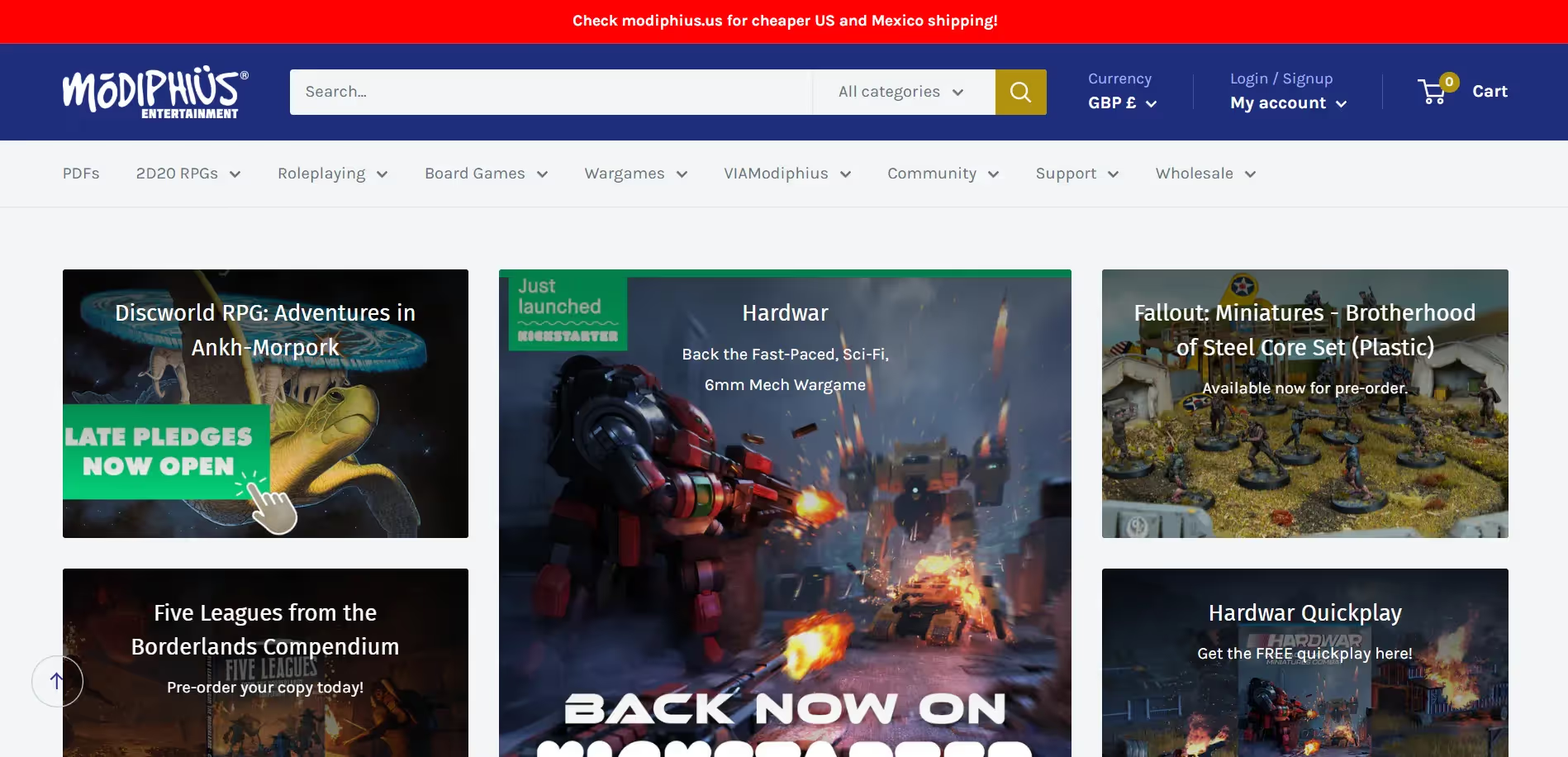
Modiphius Entertainment publishes role-playing games and board games, known for rich storytelling and expansive universes.
Top Selling Product
Fallout: Wasteland Warfare
Country
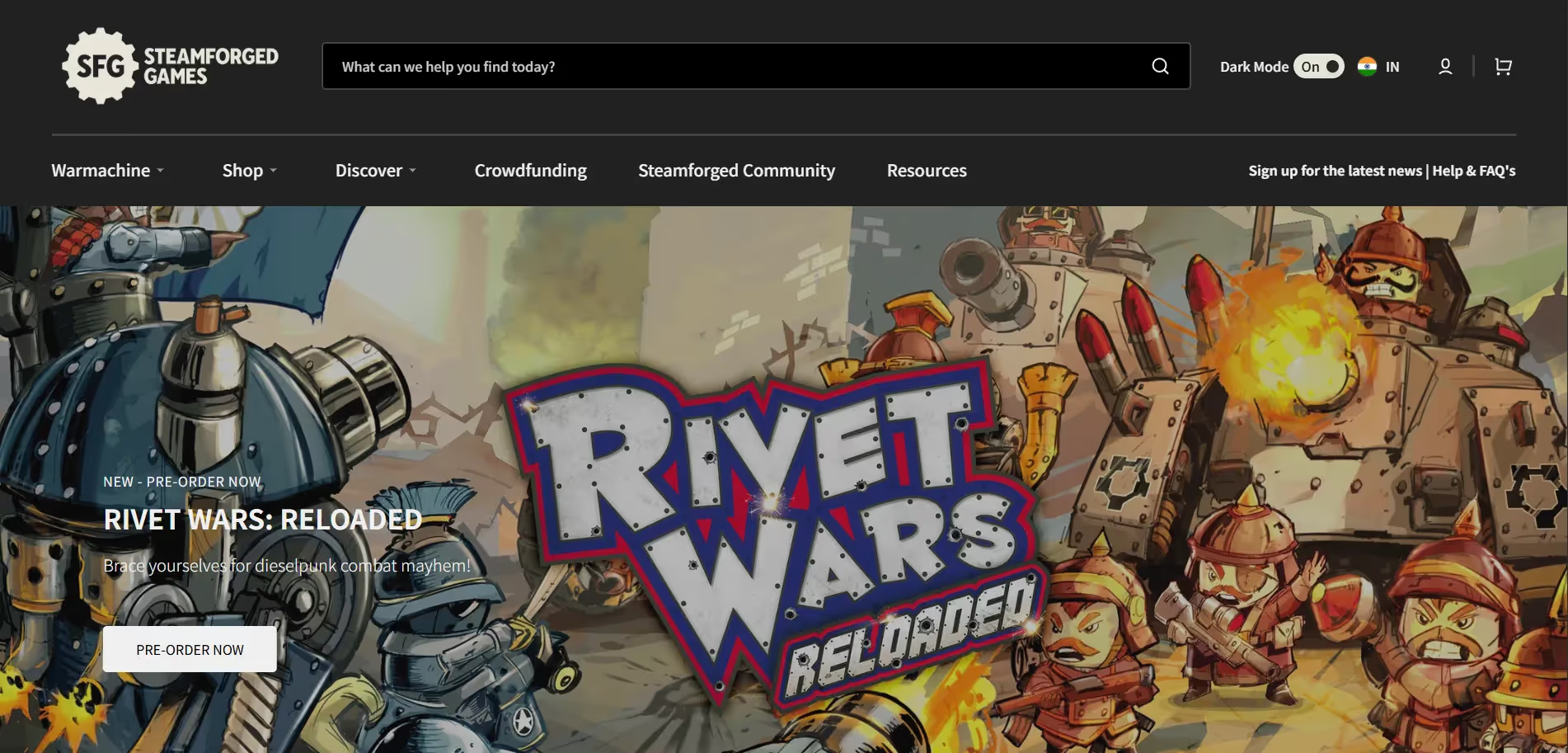
Steamforged Games creates tabletop games inspired by video games and original IPs, known for high-quality miniatures and engaging gameplay.
Top Selling Product
Dark Souls: The Board Game
Country
The global online baby and children's products market is growing from $16.5 billion to a projected $35.4 billion at a 10% CAGR. Average order value for premium children's products sits at approximately $140 (£111.58). STEM toys represent the fastest-growing sub-category at 12.70% CAGR, driven by parent investment in educational play. The defining characteristic of the kids ecommerce buyer is purchase motivation: parents in this category are not buying for themselves but for their child's development, safety, and happiness. Brands that understand and speak to this motivation (rather than just describing product features) consistently outperform those that treat kids products as generic consumer goods.
The DTC kids brands with the most durable businesses have made early commitments to subscription mechanics, educational positioning, and safety credentials that compound over time.
• Subscription as the core business model for age-appropriate products: Lovevery built a $200M+ subscription business by delivering monthly play kits specifically designed for a child's developmental stage. The genius of the model is that the subscription never becomes irrelevant: as the child ages, the play kit changes. Parents who start a Lovevery subscription in the first month of their child's life can remain subscribers for 4 to 5 years. This model generates 5 to 8x higher LTV than comparable non-subscription toy brands.
• Inclusive design as a mainstream position, not a niche: Primary built a $100M+ kids clothing brand on the explicit positioning of gender-neutral, bright-colour kids basics. The brand does not use gendered colours or messaging, which resonated with a large parent audience that had been underserved by the pink/blue binary of conventional kids retail. Brands with genuinely inclusive design attract a more diverse buyer base with higher engagement and referral rates.
• Organic certification as conversion signal for safety-motivated parents: Mini Rodini displays their GOTS (Global Organic Textile Standard) certification prominently on every product and uses it as the primary positioning argument in their marketing. Among parents who prioritise safety (a significant and growing segment), third-party certifications are among the highest-trust conversion signals available and justify premium pricing of 30 to 50% above non-certified alternatives.
• Educational and developmental storytelling: Parents buying STEM toys, developmental play products, or educational games are not buying a product; they are investing in their child's development. Brands that explain the specific developmental skill each product builds (fine motor, spatial reasoning, social-emotional learning) convert at significantly higher rates than brands that describe products in terms of features alone.
• STEM and educational toys: 12.70% CAGR, the fastest-growing sub-category in children's products. Buyer willingness-to-pay is exceptionally high when developmental benefits are clearly articulated. This segment also has the lowest seasonality dependency of any toys sub-category (parents buy developmental toys year-round).
• Organic and non-toxic baby products: Parents' concern about chemical exposure in baby products drives premium willingness-to-pay of 30 to 50% for certified organic textiles, non-toxic paints, and BPA-free plastics. This segment is growing at 9 to 11% CAGR with no deceleration.
• Sustainable kids fashion: Secondhand and subscription-based kids clothing is growing rapidly (kids outgrow clothing in 3 to 6 months, making the case for circular models extremely strong). Brands with rental, resale, or trade-in programmes see exceptional loyalty among eco-conscious parents.
• Personalised children's products: Personalised books, clothing, and toys for children are growing at 8.5% CAGR with high AOV and near-zero return rates (parents rarely return personalised items for a child).
• Safety claims without certification: "Safe" and "non-toxic" without third-party verification are increasingly worthless to parent buyers who research extensively. Unverified safety claims create regulatory risk (FTC attention on children's product marketing is significant) and fail to convert the most safety-motivated buyers who want to see actual certifications.
• Age and developmental stage navigation that is unclear: Parents shopping for children want to find products appropriate for their child's specific age and development stage quickly. Stores without clear age-range navigation or developmental stage filtering see high abandonment from parents who cannot quickly confirm product appropriateness.
• Ignoring the grandparent buyer: Grandparents represent approximately 30% of children's product purchases and have above-average spending budgets. They typically search for premium, educational, and nostalgic products. Brands without gifting-friendly navigation and premium packaging options are invisible to this high-value buyer segment.
• No subscription mechanic for consumable kids products: Nappies, formula, snacks, and frequent-replacement items (socks, underwear, sizes they outgrow) all have natural subscription mechanics. Stores selling these categories without auto-replenishment options are leaving the category's most powerful retention lever unused.
• Gross margin: 50 to 65% for toys and educational products; 55 to 70% for premium kids clothing
• Average order value: ~$140 (premium kids products); $45 to $80 (mid-market toys and clothing); $180 to $250 (STEM and educational sets)
• Return rate: 8 to 14% overall; near zero for personalised items
• Repeat purchase rate: 55 to 70% within 6 months for subscription-enabled stores; 35 to 50% for non-subscription stores
• Conversion rate: 2.5 to 4.5% for stores with strong developmental storytelling and safety credentials
Age-progression subscription kits are one of the most powerful business models in children's products because the child's development provides a natural, continuous reason for the subscription to remain relevant for four to five years from birth. Recharge Subscriptions powers monthly developmental play kit programmes, replenishment subscriptions for consumables (nappies, formula, snacks), and subscription mechanics for children's clothing that grows with the child, with flexible scheduling that adapts to the pace parents need.
Developmental stage sets and gift bundles are the primary high-AOV purchase patterns in kids, driven by parents who want curated, age-appropriate selections rather than individual product research. Easy Bundle Builder by Skai Lama enables "everything you need for age 12 to 18 months" bundle mechanics alongside BYOB gift box builders where parents or grandparents select individual items into a gift set, with tiered discounts that reward comprehensive purchases and automatic inventory tracking across all bundle components.
BOGO and free gift mechanics are particularly effective in children's products for introducing parents to new SKUs within the range without reducing the perceived quality of the primary purchase. Kite: Free Gifts and Discounts by Skai Lama automates free gift additions above a spend threshold (a free teether with every baby bundle above $50), BOGO on consumables, and buy-more-save-more tiers for parents stocking up on frequently replaced items like socks, bibs, and feeding supplies.
Personalised children's products have near-zero return rates and above-average AOV because parents and grandparents rarely return an item made specifically for a child's name or face. Infinite Options by ShopPad enables name embroidery, custom print text, and character personalisation on clothing, books, and toys with a live preview that shows exactly what will be delivered, reducing both hesitation at purchase and dissatisfaction on receipt.
Safety, developmental benefit, and age-appropriateness are the review attributes that matter most to parent buyers, and reviews that address these dimensions convert at significantly higher rates than generic star ratings. Okendo supports review collection with child's age, developmental stage, and product safety attribute fields, enabling parents to find reviews from buyers with children at the same stage, which directly addresses the primary research question in every children's product purchase.
Kids ecommerce is one of the most emotionally driven purchase categories in all of retail: parents are purchasing for their child's safety, development, and happiness with high stakes and strong motivation. The brands that acknowledge this emotional driver and build their product positioning and store experience around it consistently outperform those treating kids products as commodity goods. The subscription mechanic for age-appropriate development products is one of the most powerful business models in ecommerce because the natural lifecycle of a child from birth to school age provides 4 to 5 years of natural subscription continuation without churn motivation. Operators who enter this space with genuine safety credentials and developmental storytelling are building brands that parents trust completely and recommend enthusiastically.

Top kids Shopify stores offer age-appropriate clothing, educational toys, books, baby gear, organic skincare for infants, and themed décor. Many also provide eco-friendly or Montessori-inspired products that appeal to modern parents looking for thoughtful, developmentally appropriate goods. Skailama enhances these stores with dynamic age-based product FAQs, safety information, and personalized product discovery paths.
Yes, leading kids stores highlight safety certifications such as CPSIA (in the U.S.), CE (Europe), or ASTM compliance. They also detail age-appropriateness and usage guidelines. Skailama helps by automating safety-related questions and surfacing warnings based on product category, helping parents shop with peace of mind.
Definitely. Many Shopify kids stores feature curated gift boxes, newborn starter kits, and birthday bundles—often with personalization options. Skailama boosts giftability by offering FAQ automation for gift wrapping, card messages, and shipping-to-recipient scenarios.
Yes, subscription models like monthly educational toy kits or seasonal clothing boxes are growing in popularity. Stores using Skailama can automate renewal FAQs, provide product usage tips based on developmental stages, and manage subscription preferences through self-serve portals.