Our Apps Have Driven
5X AOV | 2X Conversions | $30M+ Additional Revenue
5X AOV | 2X Conversions | $30M+ Additional Revenue
.svg)


5.0 (3000+ Reviews)


Shopify Apps





.svg)

Tailor your search to find the perfect Shopify store.
Categories
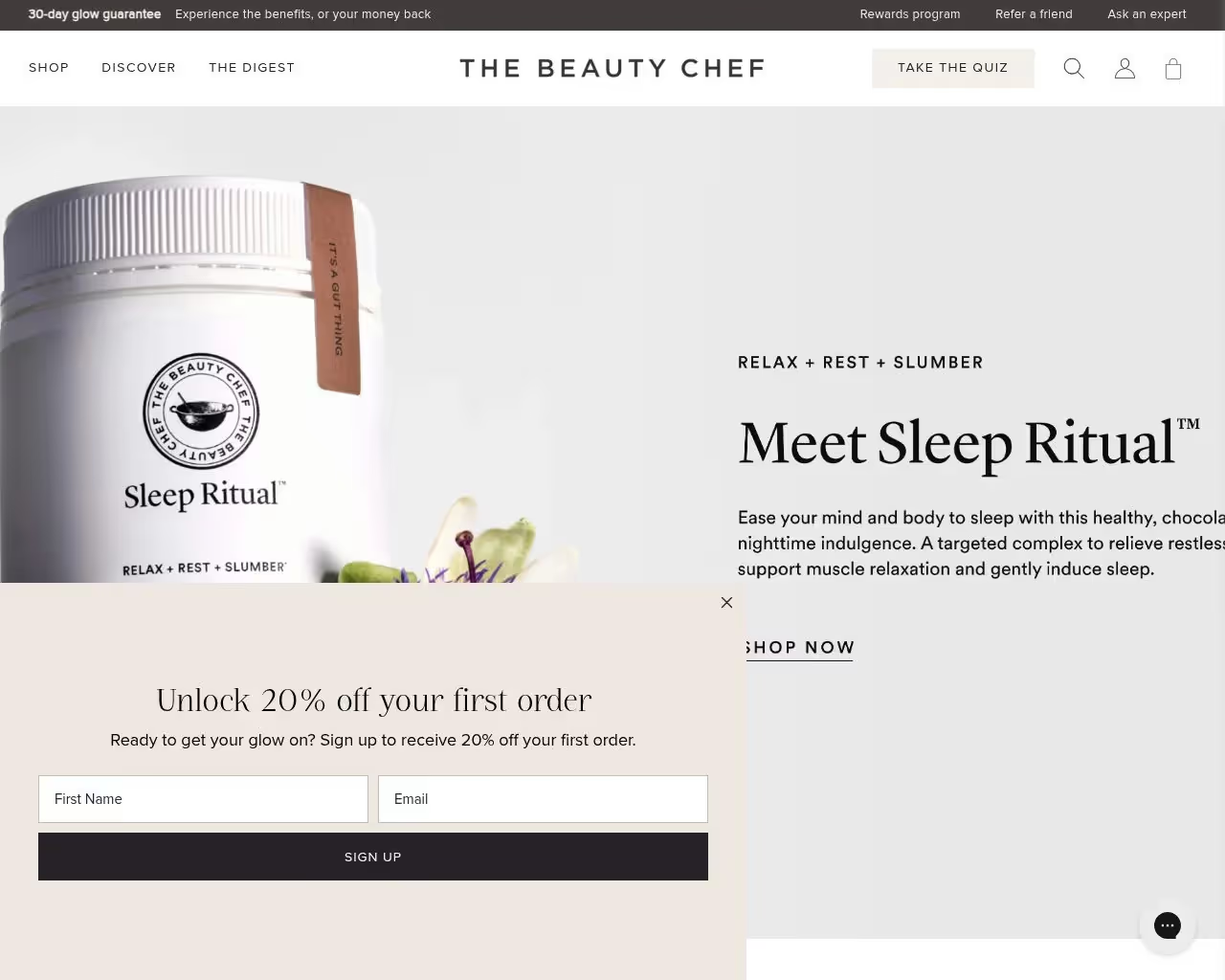
An Australian wellness brand that creates bio-fermented, probiotic-rich wholefood supplements. The Beauty Chef focuses on the link between gut health and skin vitality.
Top Selling Product
Glow Inner Beauty Powder
Country
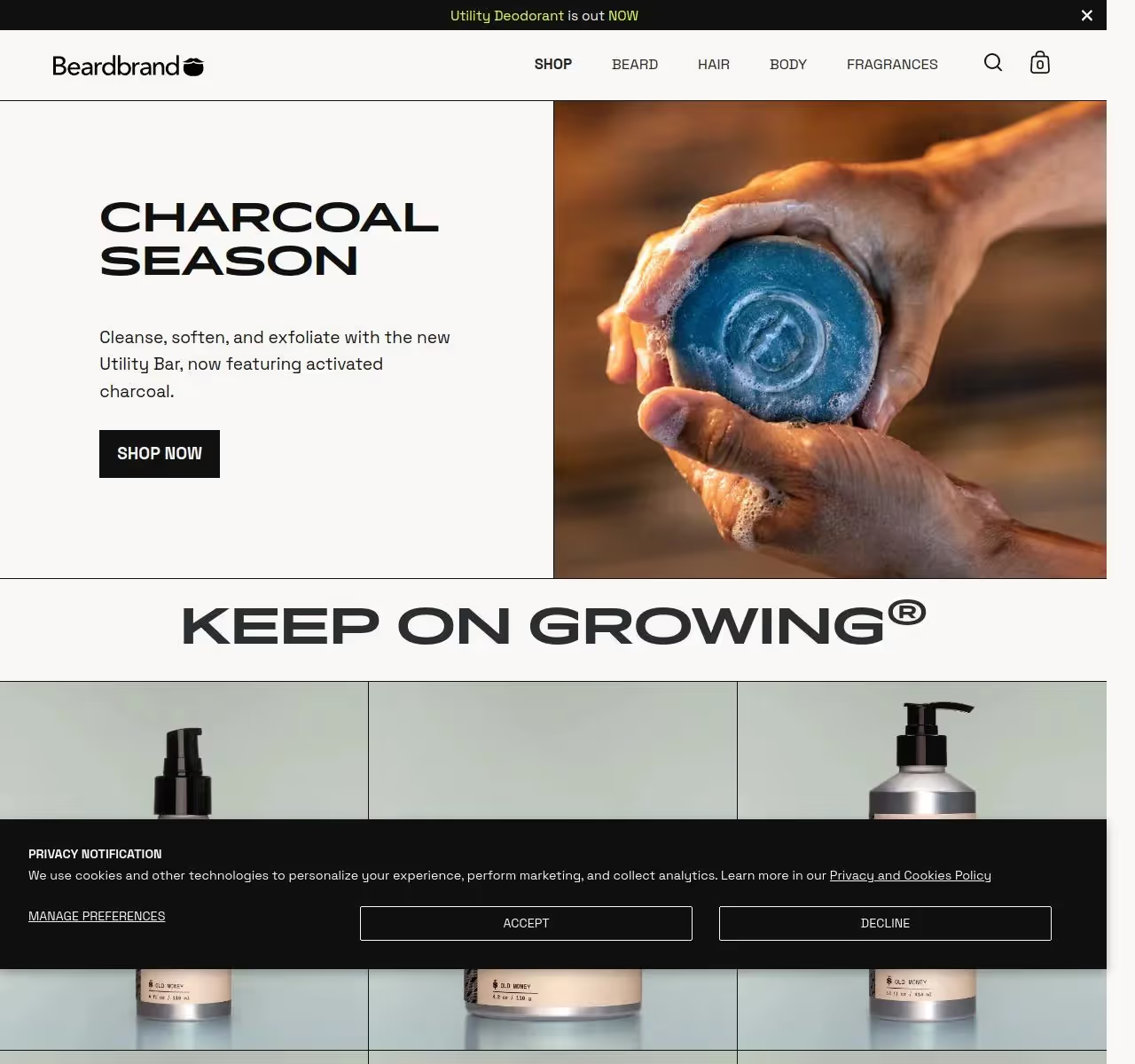
Specializes in premium grooming products for beardsmen. Beardbrand aims to foster confidence through grooming, offering a range of oils, balms, and styling tools.
Top Selling Product
Beard Oil
Country
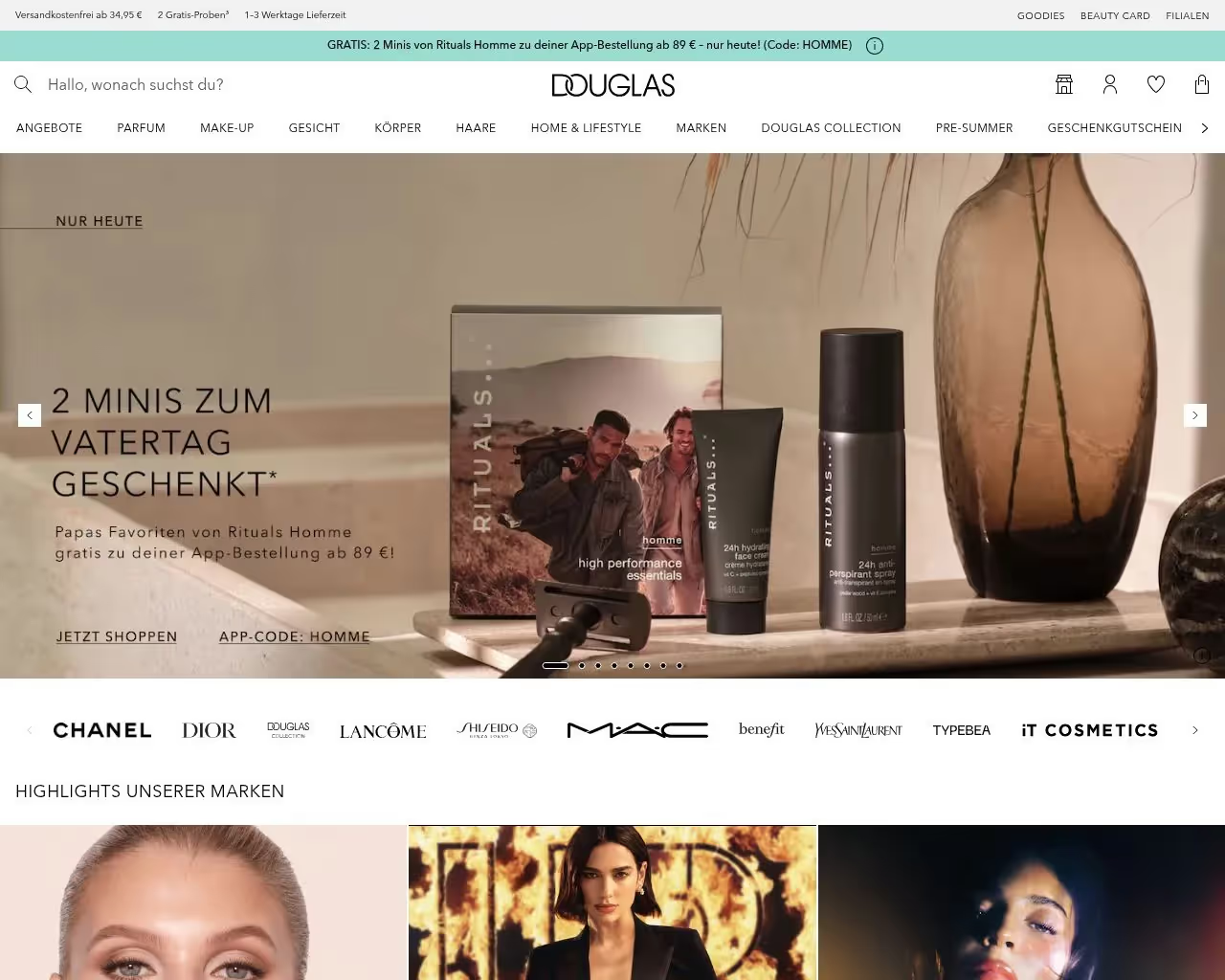
Douglas is Europe’s top beauty retailer, offering thousands of products across cosmetics, skincare, and fragrance categories. The German Shopify store features loyalty programs, editorial content, and personalized recommendations.
Top Selling Product
Perfumes and skincare products
Country
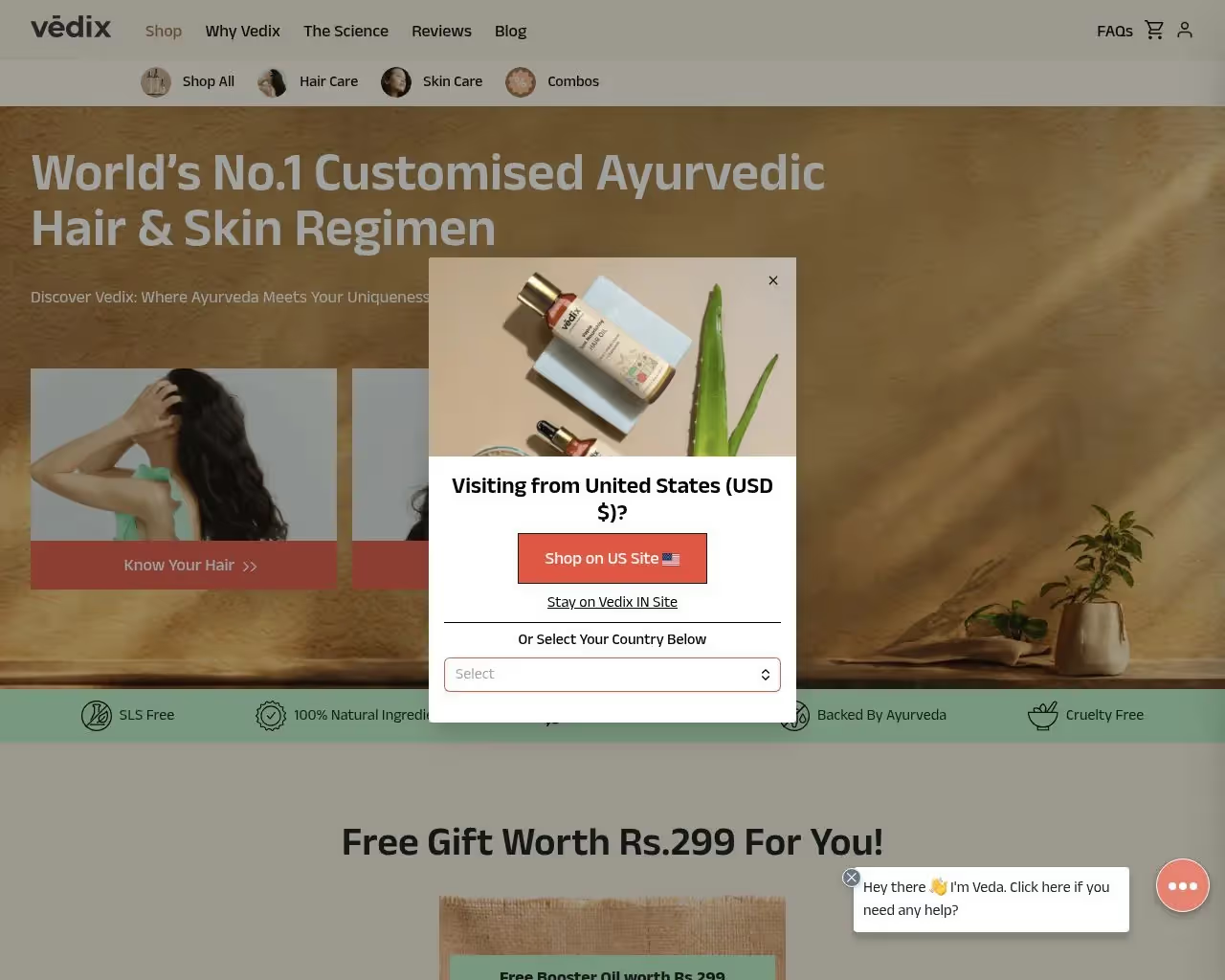
Vedix is India’s first customized Ayurvedic hair and skincare platform. It delivers tailor-made solutions based on an individual's dosha profile using traditional Ayurvedic herbs.
Top Selling Product
Customized hair oil
Country
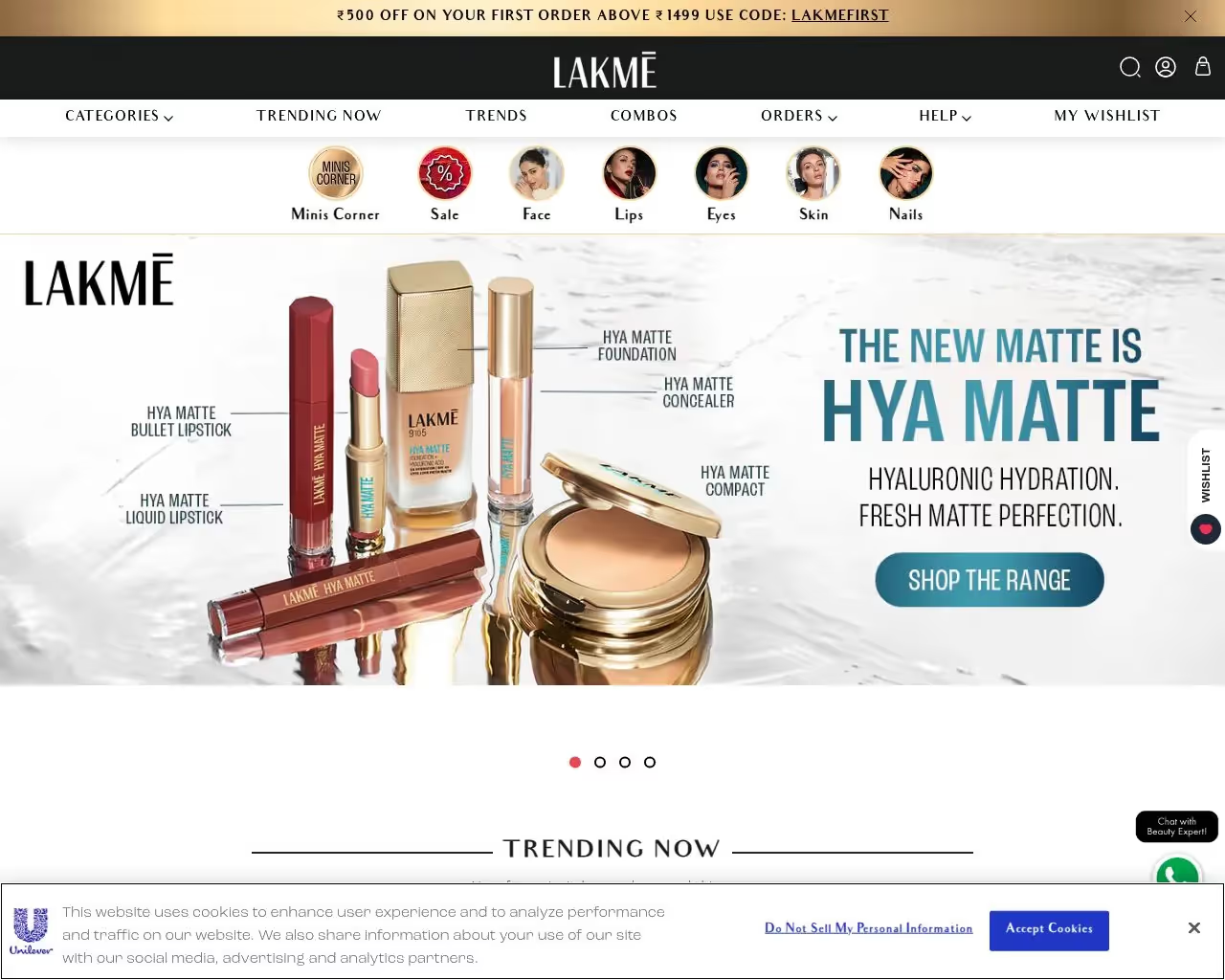
Lakmé is one of India's most iconic beauty brands, providing a comprehensive range of high-quality cosmetics, skincare, and personal care products. It is especially known for pioneering beauty trends and runway-inspired products.
Top Selling Product
Lipsticks and skincare
Country
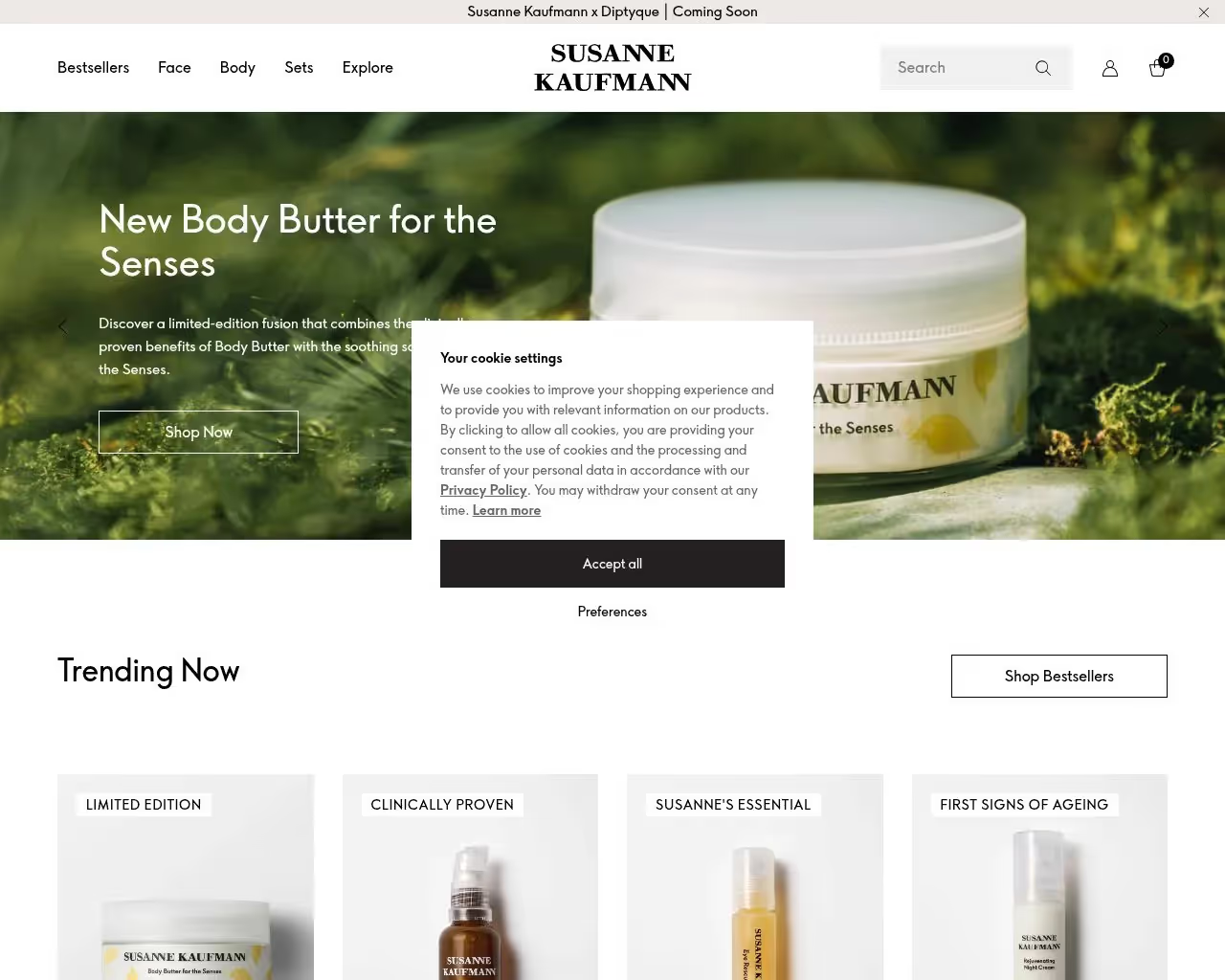
Natural skincare products rooted in Alpine traditions.
Top Selling Product
Organic skincare
Country
Provides organic skincare products.
Top Selling Product
Skincare products
Country
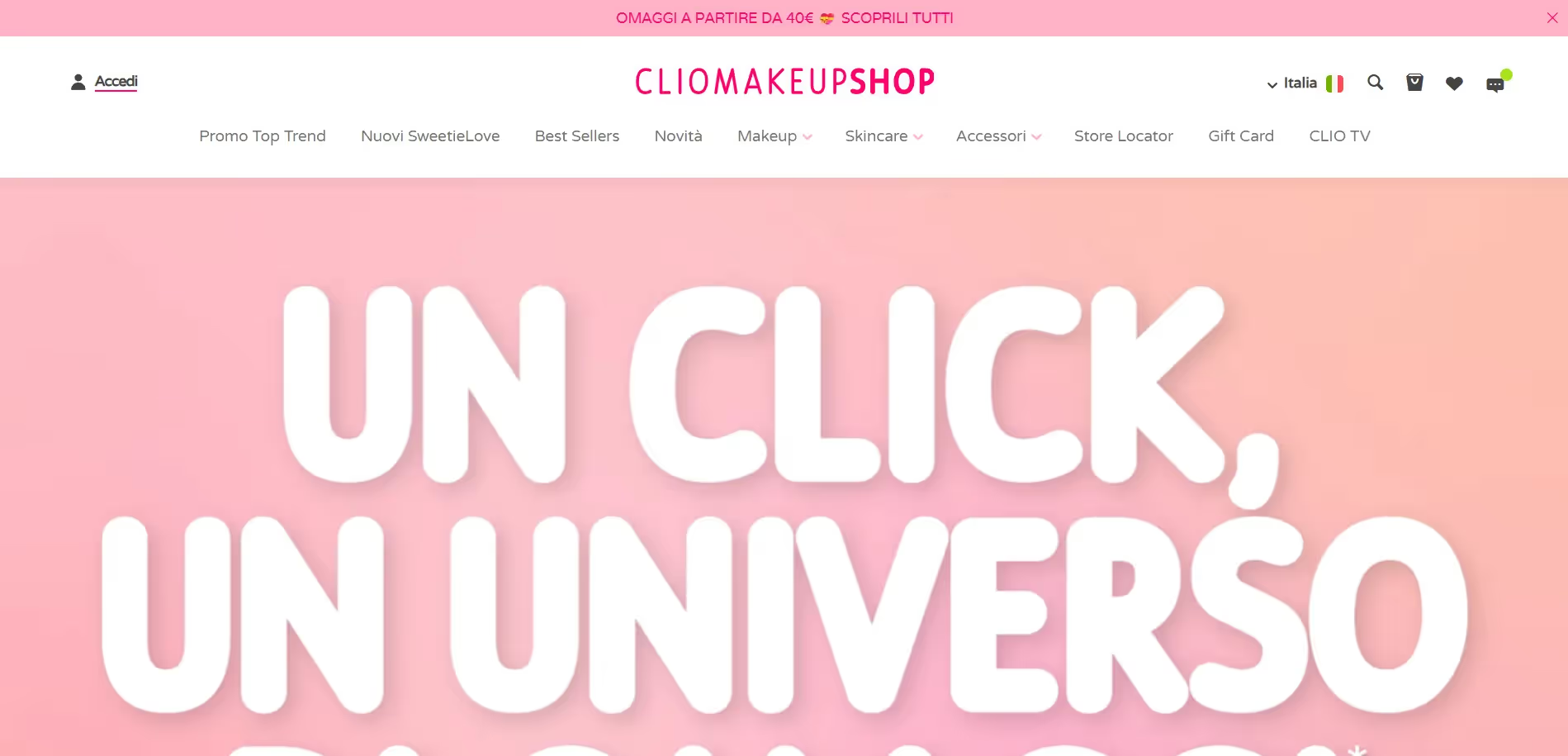
Offers a range of cosmetics and beauty products.
Top Selling Product
Makeup products
Country
A sustainable beauty brand offering high-quality haircare products.
Top Selling Product
Haircare products
Country
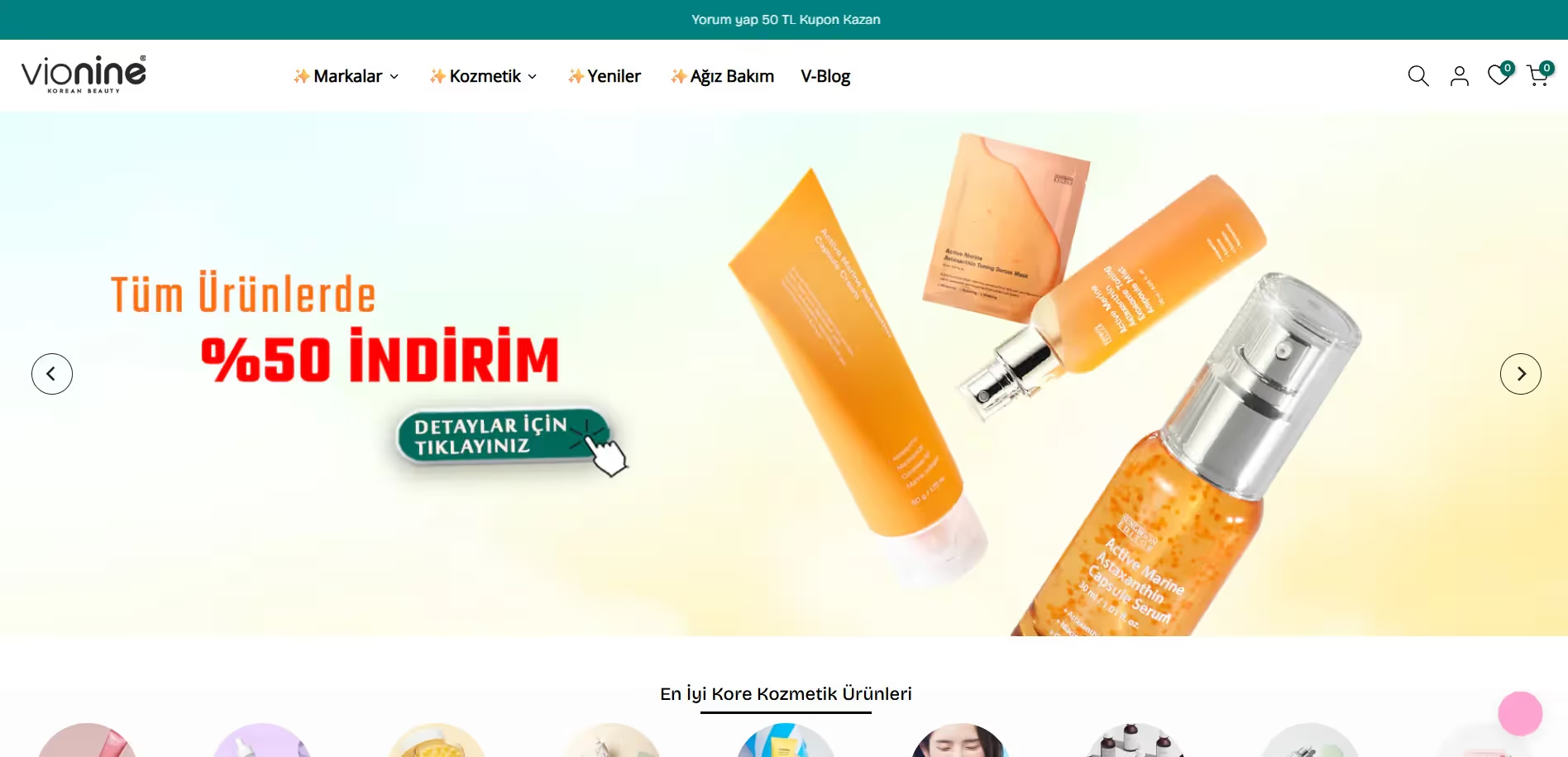
Provides beauty and health products, aiming to enhance personal care routines.
Top Selling Product
Personal care products
Country
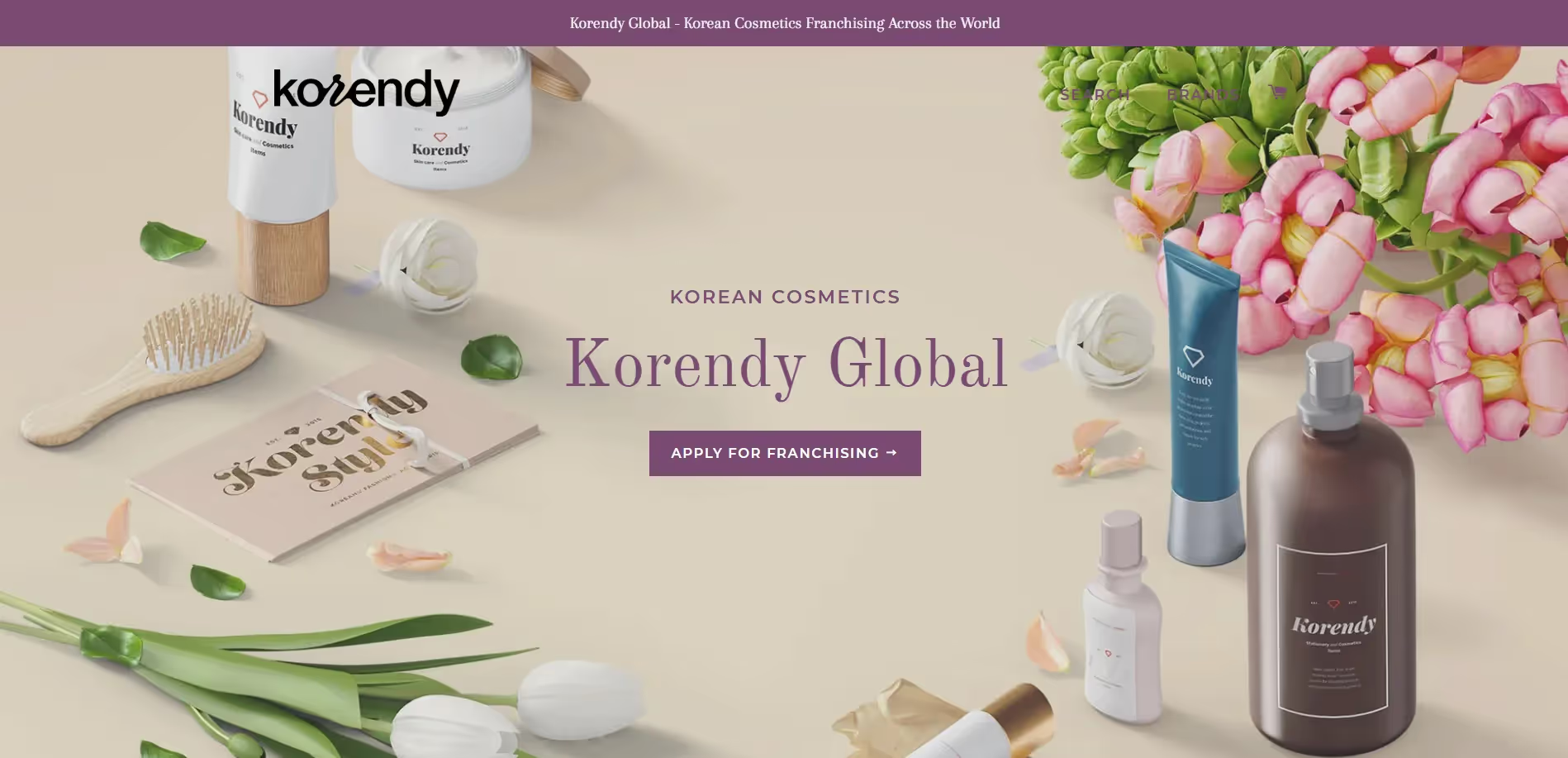
Specializes in beauty and health products, particularly Korean skincare items.
Top Selling Product
Korean skincare products
Country
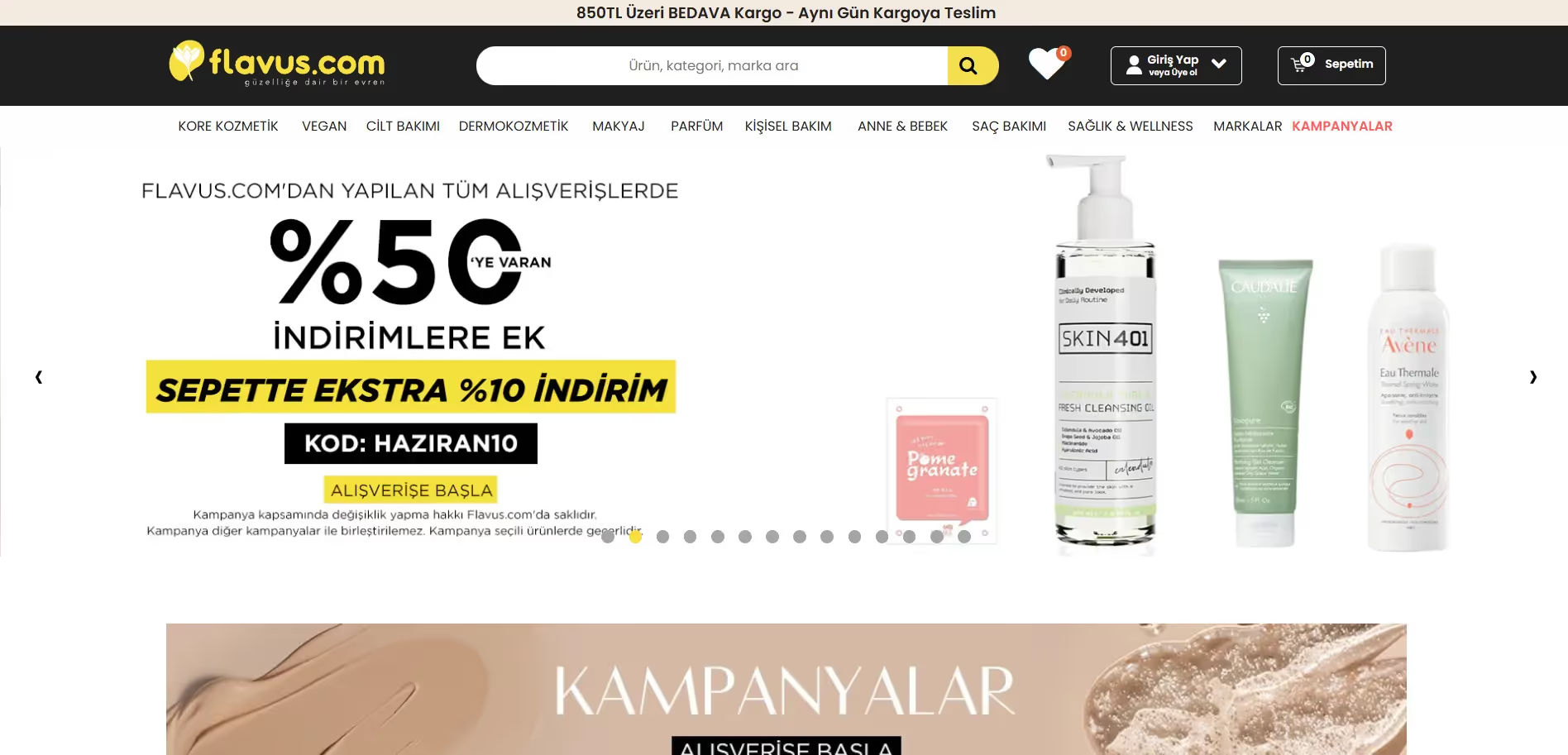
Specializes in beauty and health products, offering a wide range of cosmetics and skincare items.
Top Selling Product
Beauty and skincare products
Country
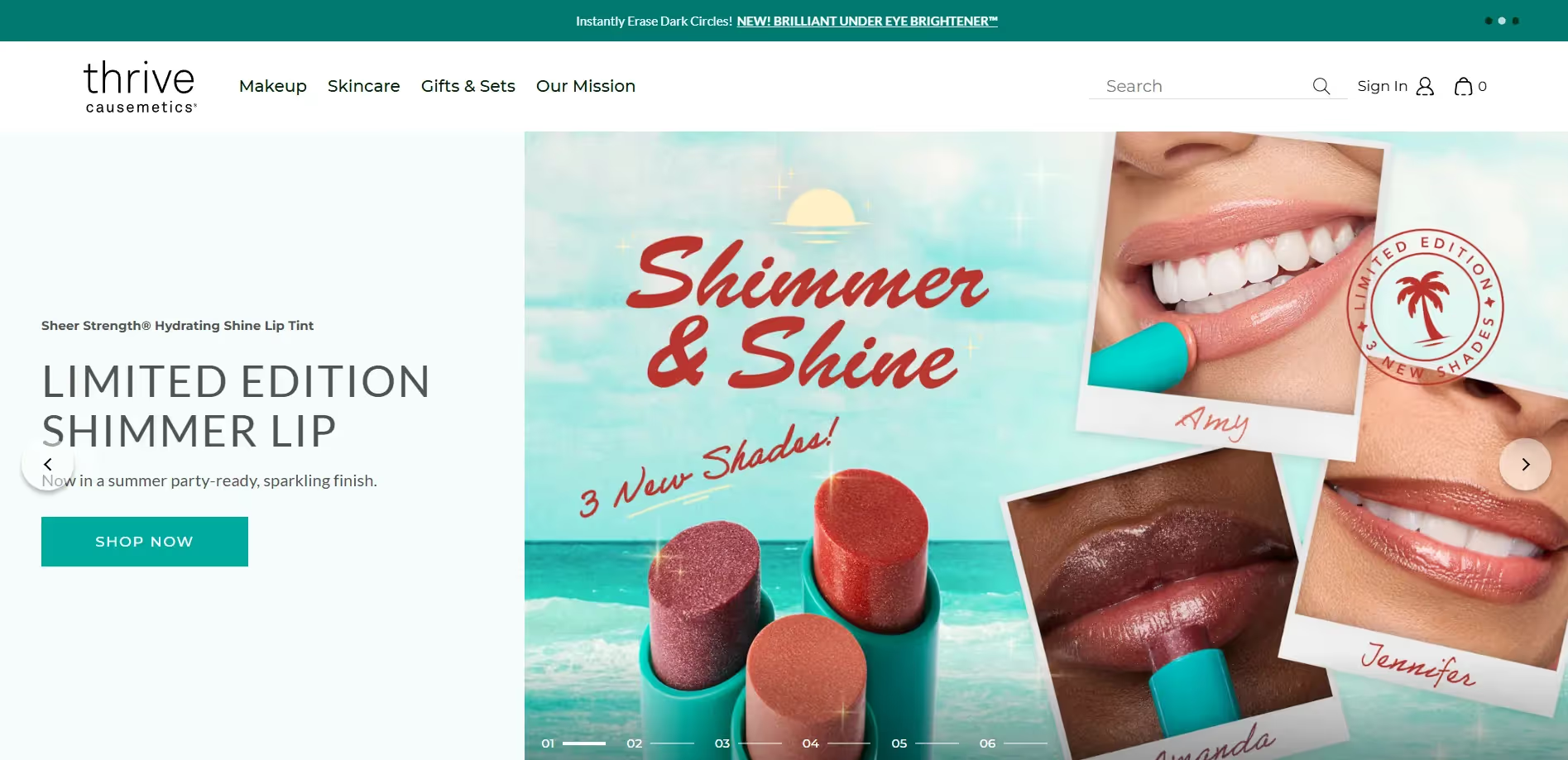
A beauty brand that supports various charitable causes.
Top Selling Product
Beauty products with a cause
Country
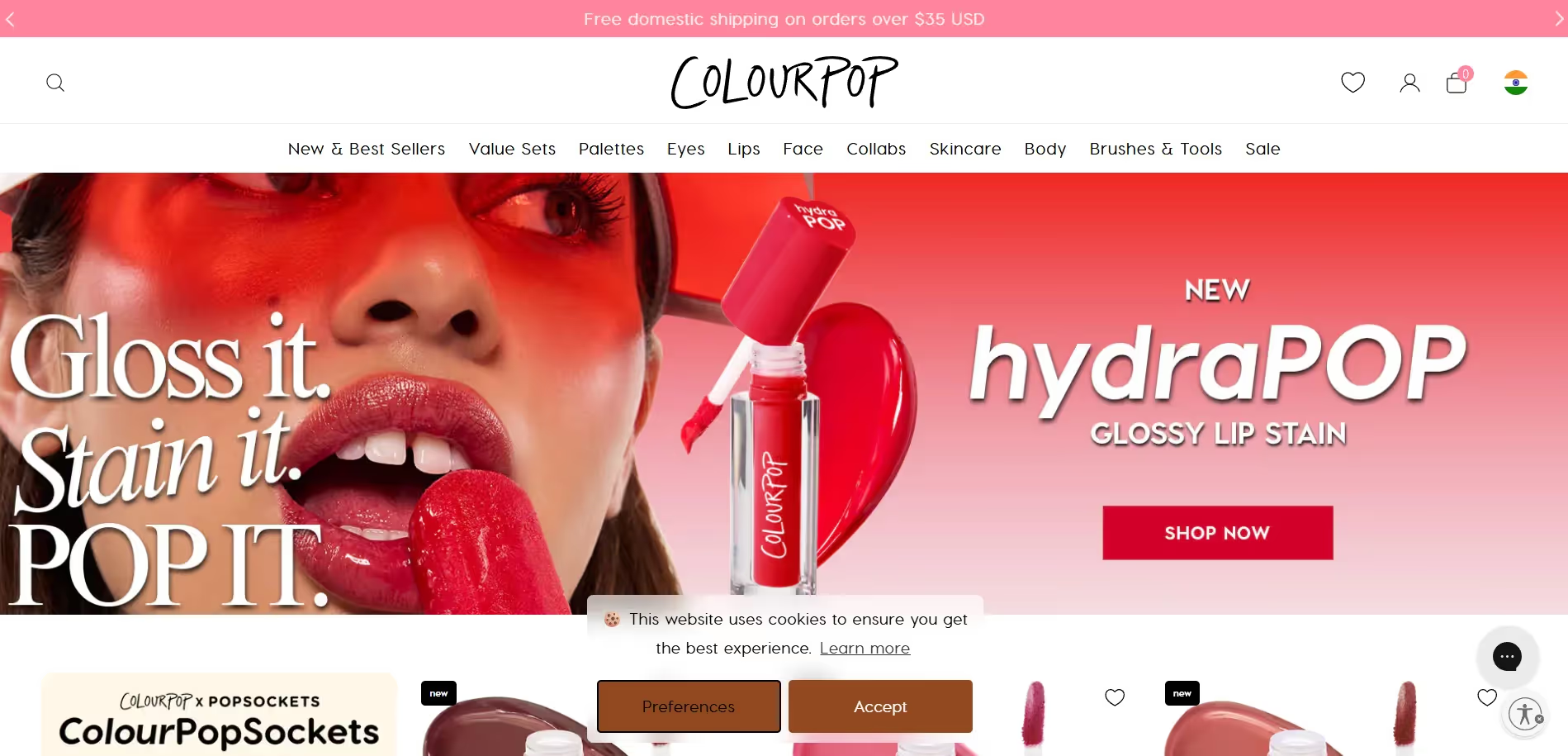
Affordable, cruelty-free makeup brand offering a wide range of products. ColourPop is known for its vibrant colors and frequent collaborations with influencers and pop culture franchises.
Top Selling Product
Affordable cosmetics
Country
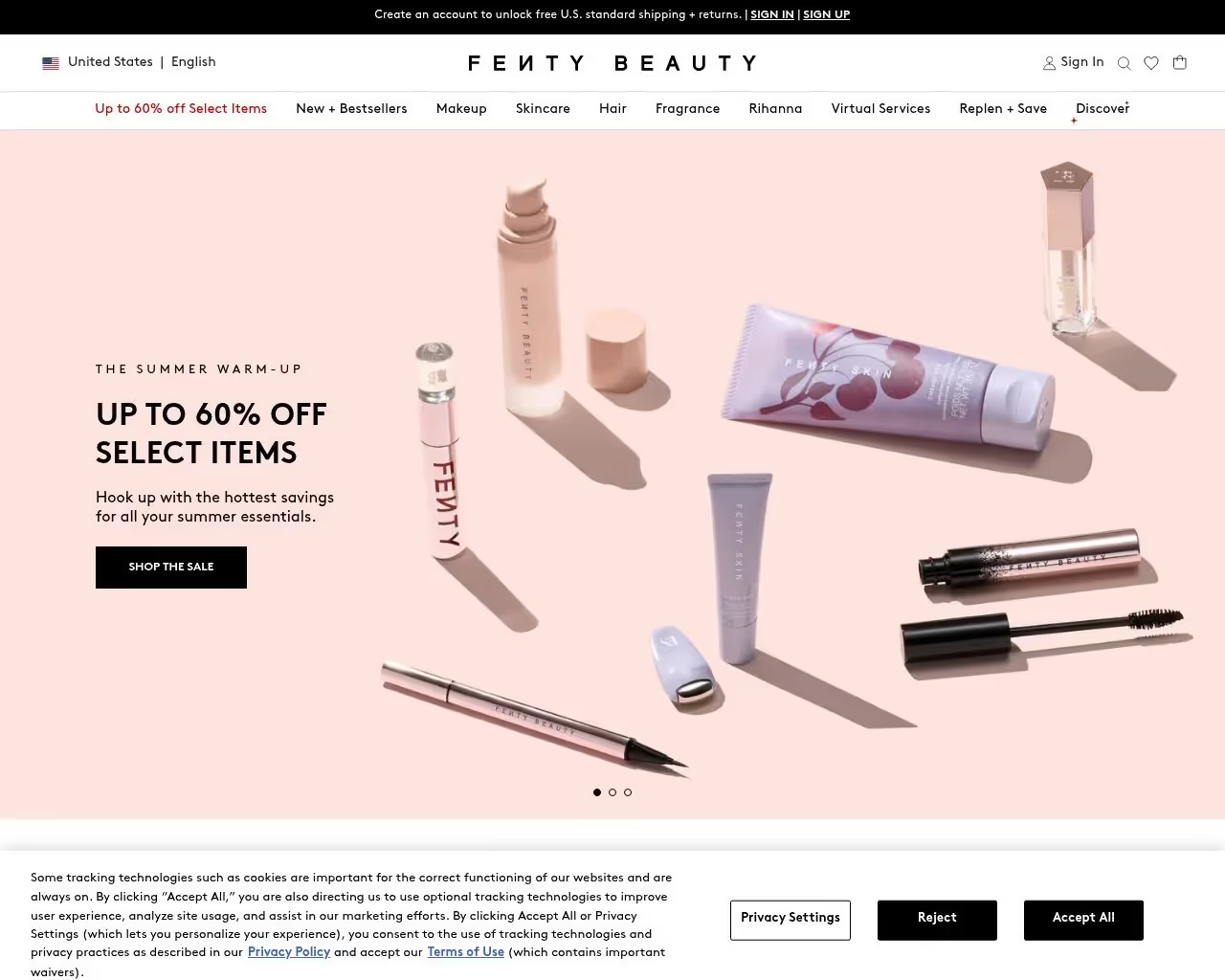
Inclusive beauty brand launched by Rihanna. Fenty Beauty offers a wide range of shades to cater to all skin tones.
Top Selling Product
Inclusive beauty products
Country
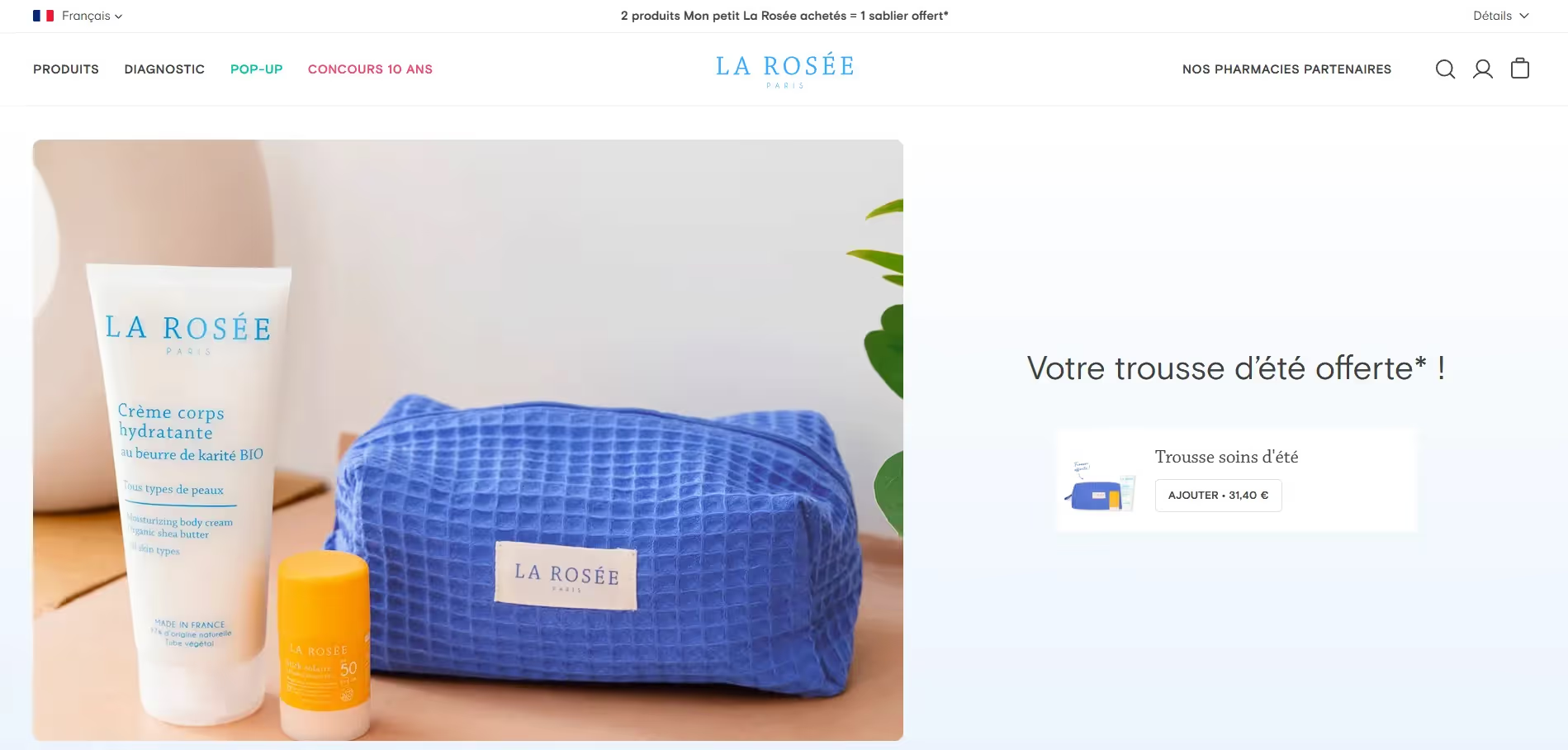
Offers natural and environmentally responsible skincare products made in France.
Top Selling Product
Skincare products
Country
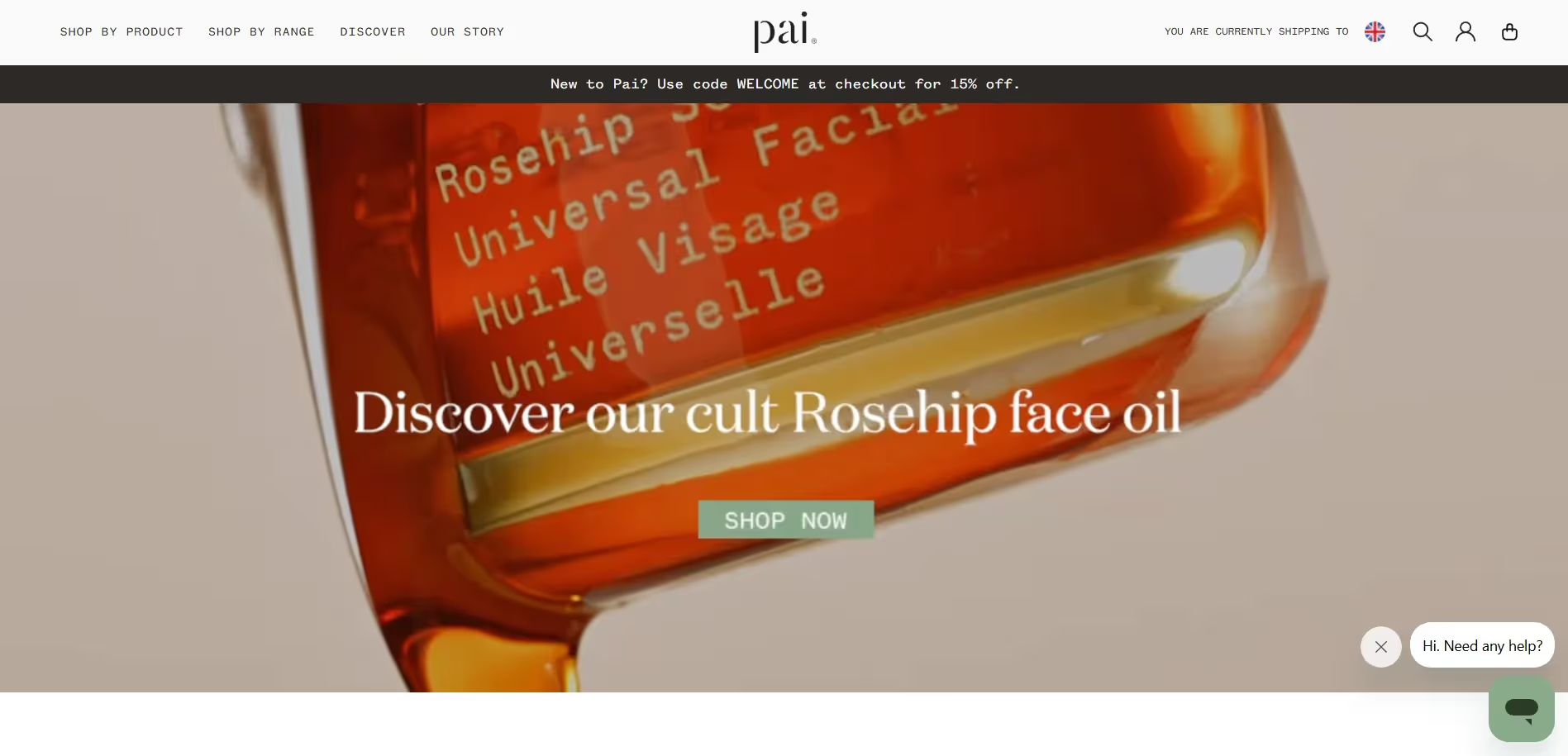
Offers organic skincare products suitable for sensitive skin.
Top Selling Product
Organic skincare products
Country
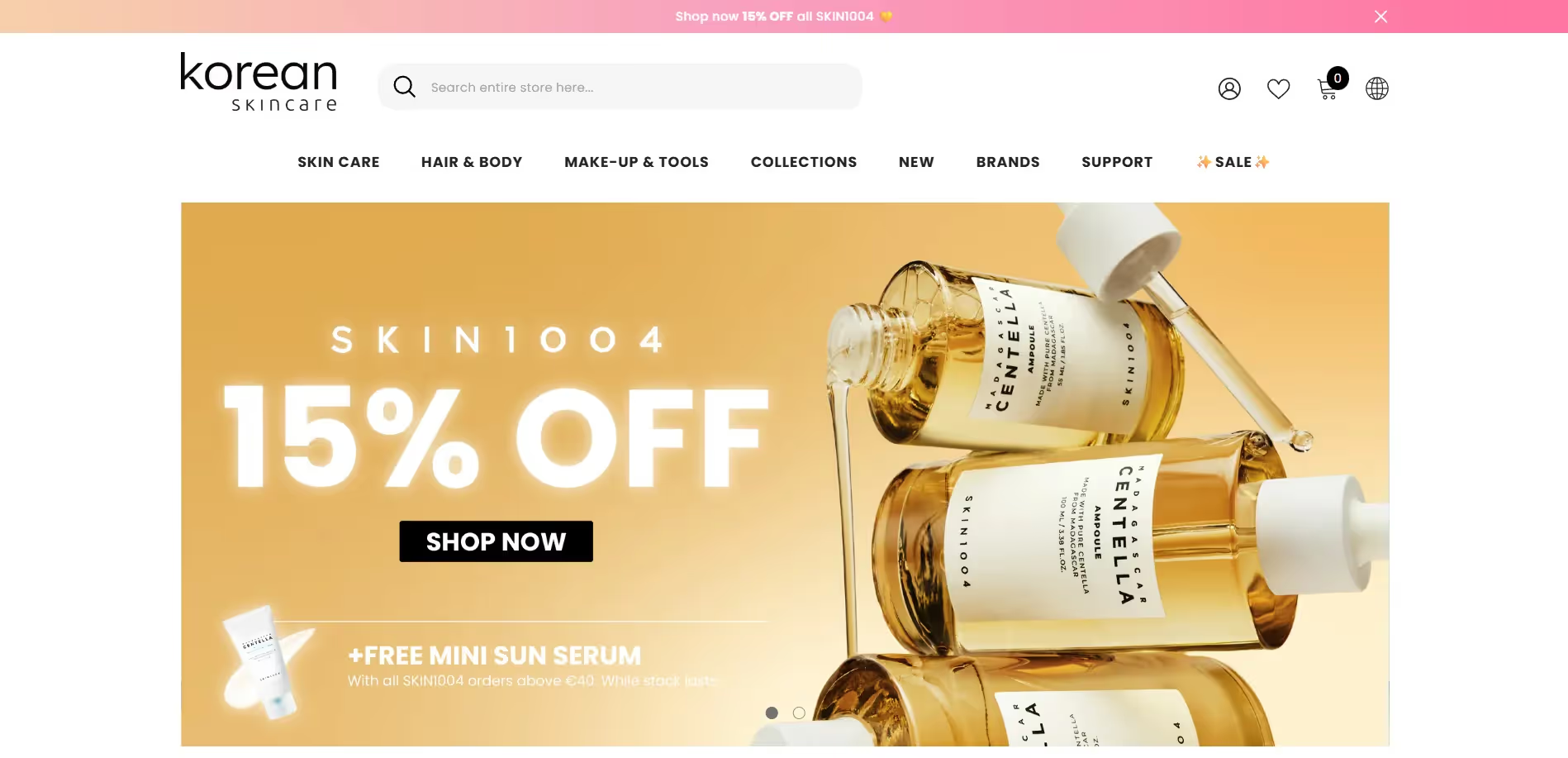
Offers authentic Korean skincare products for various skin types.
Top Selling Product
Korean skincare products
Country
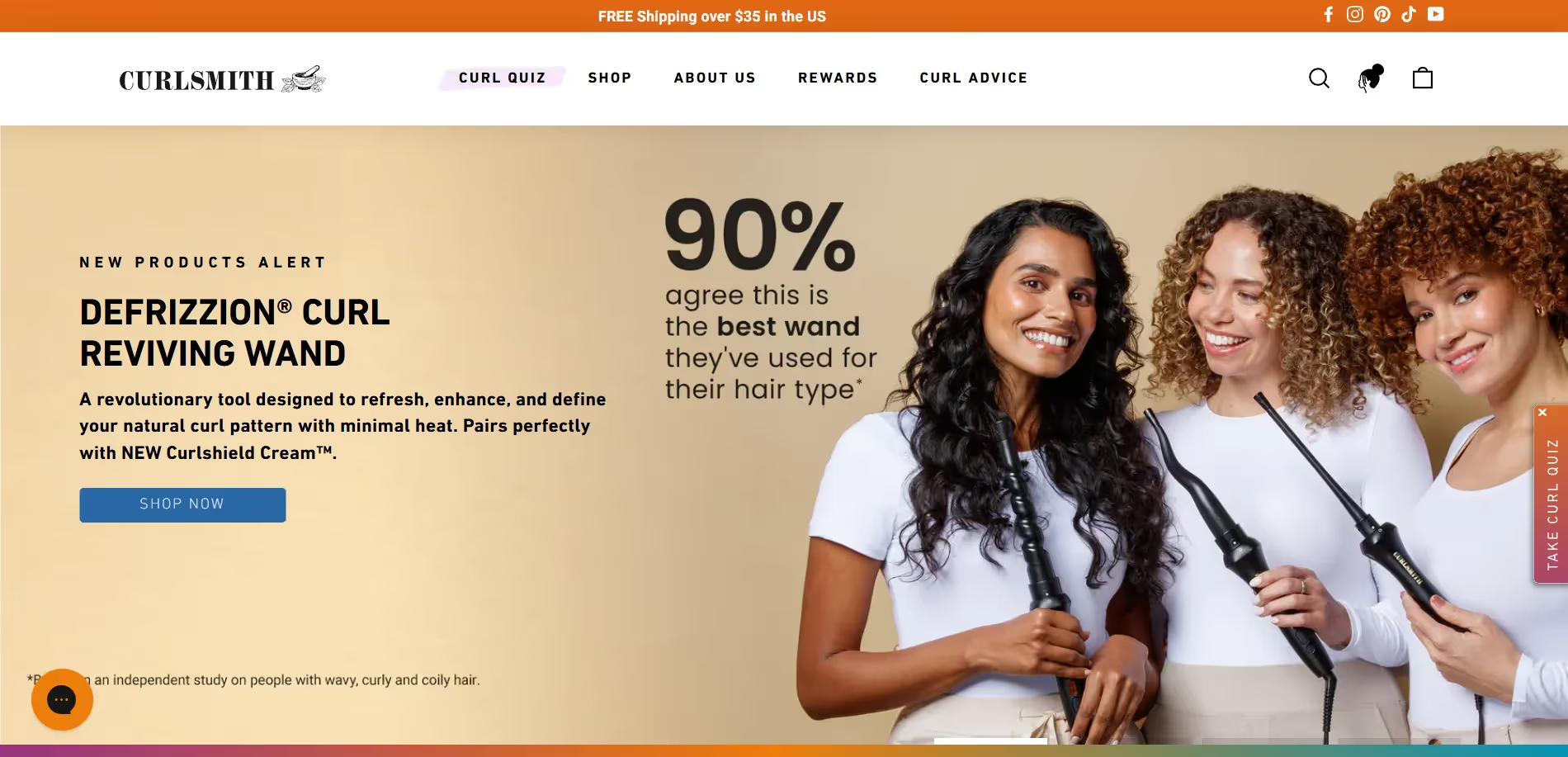
Offers premium hair care products tailored for curly hair.
Top Selling Product
Curly hair care products
Country
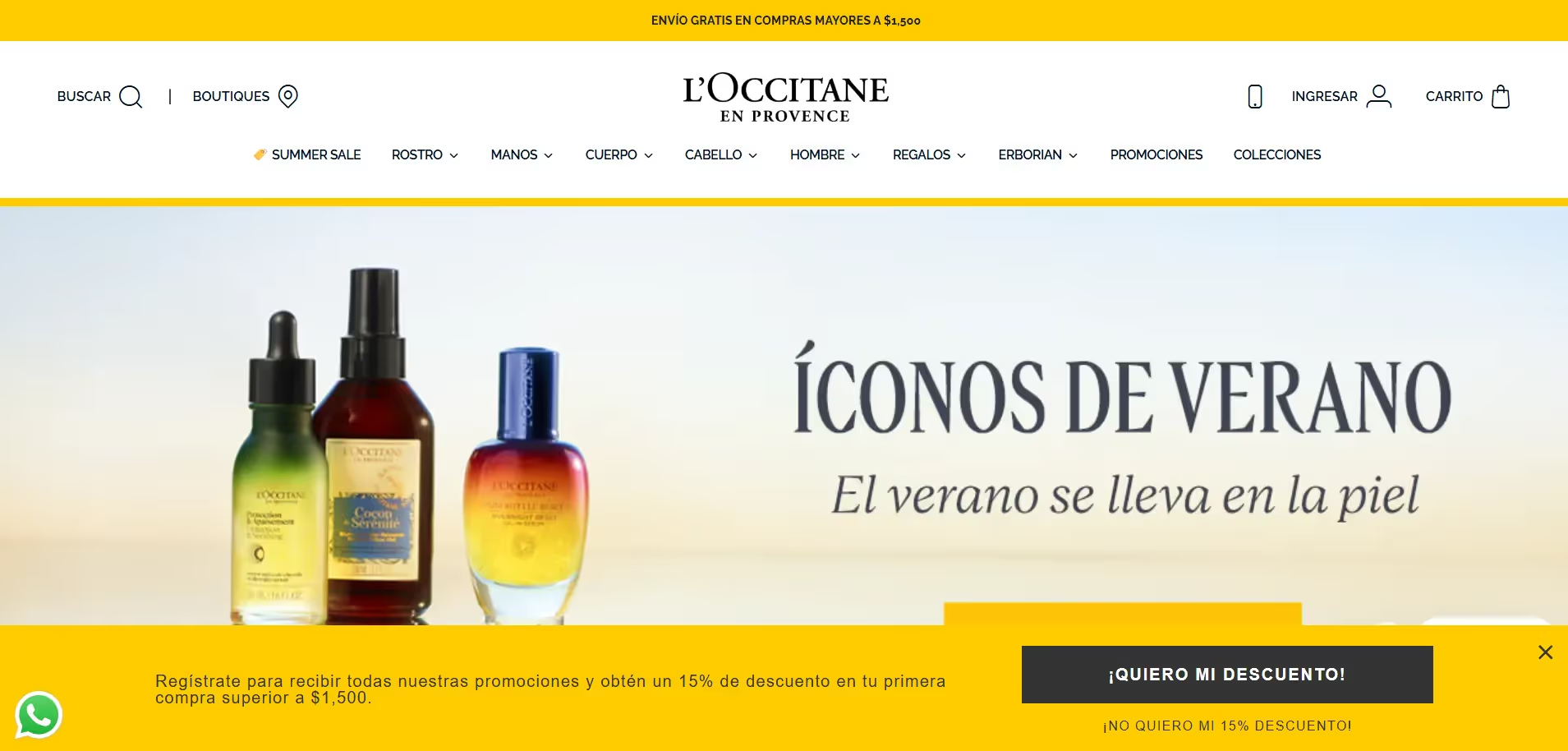
French beauty brand with a strong presence in Mexico, offering skincare, body care, and fragrances.
Top Selling Product
Skincare products
Country
The online skincare market reached $49.95 billion in 2025 and is growing at a 7.62 percent CAGR, fuelled by dermatologist-driven social content, ingredient transparency trends, and the shift from in-store beauty counters to DTC discovery. Buyer demographics have expanded: men's skincare alone is a $19.2 billion category growing to $52.1 billion at a 10.5 percent CAGR, and the 35-to-55 demographic is now the highest-spending cohort in premium skincare, driven by longevity and peptide interest. Quiz-driven product discovery is the defining conversion mechanic in this category: Cocokind and Pixi both report 25 percent higher CVR from skin concern quizzes versus standard catalogue navigation, and routine bundles built from quiz outputs deliver AOV of $130 to $200 versus $75 to $110 for single-product purchases.
• The Ordinary built a $460-million-plus business on ingredient-first transparency at near-commodity price points. By naming products after their active ingredients rather than marketing claims, the brand became the reference point for a generation of skincare buyers who want to understand what they're applying. The education mechanic drives organic search traffic and positions the brand as trustworthy rather than promotional.
• Cocokind deploys a skin concern quiz as the primary discovery pathway, routing buyers to routines rather than individual products. The quiz produces a 25 percent higher CVR than standard navigation because it reduces decision paralysis and creates a personalised recommendation that feels curated rather than algorithmic.
• Paula's Choice built its brand entirely on science-backed ingredient education, creating a loyal audience of informed buyers who return for products because they understand the mechanism of action. The education content also drives significant SEO traffic from ingredient and concern-specific queries, reducing acquisition cost over time.
• Peptide and longevity skincare is the fastest-growing ingredient category, driven by consumer interest in biological age, collagen synthesis, and healthspan. Search volume for peptide serums has grown over 300 percent in the past two years.
• Men's skincare continues to expand from a $19.2 billion base toward $52.1 billion at 10.5 percent CAGR, with significant white space in the premium DTC tier. Most existing men's skincare brands underestimate the willingness of male buyers to invest in multi-step routines when positioned through performance and simplicity rather than beauty language.
• Daily SPF has become a standalone category rather than a sunscreen subcategory, driven by dermatologist content on TikTok and Instagram. Several DTC brands have built significant businesses from a single SPF hero product.
• Sensitive and barrier repair skincare is growing rapidly as over-exfoliation and retinoid overuse have created a large cohort of buyers looking for gentle, barrier-restoring formulations.
• Prescription-grade DTC skincare (tretinoin, retinoids, and custom formulations delivered via telehealth integration) represents a high-LTV, subscription-compatible model that blends DTC commerce with healthcare delivery.
• Ingredient overwhelm is a conversion killer at the product page level. Buyers who don't understand skincare science bounce from ingredient-heavy PDPs. Stores that translate ingredients into skin benefits and outcomes consistently outperform those that lead with technical formulation language.
• No routine-building mechanic leaves the majority of AOV unrealised. Skincare is purchased as a system: cleanser, serum, moisturiser, and SPF. Stores without a "build your routine" functionality that bundles complementary products are missing the architecture that converts single-product browsers into multi-product buyers.
• Unsegmented tone and skin concern messaging loses to specificity. A brand that speaks to oily skin, dry skin, and sensitive skin buyers with the same language is less compelling to each individual than a brand that speaks directly to one concern. Skin type segmentation in email and paid dramatically outperforms broadcast messaging.
• Overclaiming on results without evidence creates both conversion risk and regulatory risk. FTC attention on skincare claims is increasing, and buyers are increasingly sceptical of transformation claims unsupported by clinical data or peer review. Brands that hedge claims while providing ingredient-level education build more durable trust.
• Gross margin: 65 to 80 percent (one of the highest in ecommerce, reflecting low COGS for formulated products)
• AOV: $75 to $110 for single-product purchases; $130 to $200 for routine bundles built via quiz or recommendation
• Return rate: 5 to 10 percent (hygiene category, returns structurally low)
• CVR: 2.5 to 4.0 percent with personalisation tools deployed; lower without quiz or recommendation mechanic
• Repeat purchase rate: 45 to 60 percent within 12 months for customers who adopt a full routine
Skin concern quizzes and routine builders are the highest-converting discovery mechanics in skincare because buyers are purchasing outcomes (clearer skin, reduced wrinkles, better barrier function) rather than products, and stores that route them to a curated routine convert and retain at significantly higher rates than those relying on catalogue navigation. Octane AI is the go-to quiz platform in beauty DTC, used by brands including Jones Road Beauty and ILIA Beauty to route buyers to personalised routines based on skin type, concern, and goals. Stores deploying a skin concern quiz report 25% higher conversion rates, and routine outputs push average order value to $130 to $200 versus $75 to $110 for single-product purchases.
Cleansers, moisturisers, and SPF have near-perfect subscription economics: 30-day consumption cycles, strong habit formation once a routine is working, and a high perceived switching cost that makes cancellation feel like a step backward. Recharge Subscriptions is the most widely used subscription platform in skincare DTC, with built-in cancel-flow tools and subscriber analytics that surface churn risk before it converts to cancellation at the critical 60-day mark.
Skincare is a multi-step category, and brands that merchandise it as a complete system (cleanser, serum, moisturiser, SPF) consistently outperform those selling individual products because routine adoption drives LTV at a structurally higher level than single-product purchasing. Easy Bundle Builder by Skai Lama is purpose-built for this: BYOB and pre-curated bundle mechanics with tiered discounts, a gamified selection interface, and full Shopify inventory sync that prevents overselling across bundle and individual SKUs.
Sample-size additions with full-size purchases are one of skincare's most effective trial and loyalty mechanics: a complimentary travel serum with a moisturiser order converts and retains better than an equivalent discount because it introduces the buyer to a new product they would not have researched themselves. Kite: Free Gifts and Discounts by Skai Lama automates gift-with-purchase triggers, BOGO, and tiered spend thresholds (spend $75, receive a free SPF sample) with no code required and native Shopify Functions under the hood.
Skincare buyers actively search for reviews from customers with their specific skin type (oily, dry, sensitive, combination), and platforms that enable this filtering convert at meaningfully higher rates than standard star-rating displays. Okendo lets stores add skin attribute fields to review collection forms, making social proof dramatically more useful for high-consideration items and reducing the purchase hesitation that drives abandonment on serums and treatments priced above $60.
Skincare is arguably the best unit economics category in DTC commerce. Gross margins of 65 to 80 percent, repeat purchase rates driven by routine adoption, and subscription-compatible consumables create a compounding revenue model that few other categories match. The operators who win are those who invest in quiz infrastructure, routine bundle architecture, and ingredient education content. The category is not short of brands, but it is short of brands that combine scientific credibility with accessible discovery mechanics. That gap is the opportunity.

Top skincare Shopify stores specialize in cleansers, toners, serums, moisturizers, facial oils, sunscreens, and masks. Many also focus on problem-solving (e.g., acne, hyperpigmentation, sensitivity) and cater to specific skin types. These stores emphasize ingredients, results, and dermatological testing. Skailama improves shopper confidence by offering ingredient-specific FAQs, usage routines, and skin-type filters to help guide product discovery.
Yes, quality skincare stores usually label products as non-comedogenic, fragrance-free, or dermatologically tested. They also provide patch test recommendations and detailed ingredient lists. Skailama enhances trust by offering automated safety-related FAQs, highlighting user reviews filtered by skin type, and surfacing allergy concerns dynamically.
Absolutely. Many brands feature AI-powered quizzes to help users find the best regimen based on their concerns. Skailama enhances this personalization by capturing quiz results and delivering automated FAQ flows and follow-up emails that reinforce product recommendations with targeted education.
Look for brands that provide morning/evening routine bundles or visual skincare ladders showing the correct product order. Skailama supports this by offering dynamic FAQ trees that explain routines by skin concern (e.g., “How do I layer vitamin C and retinol?”), which improves customer engagement and SEO.