

Our Apps Have Driven
5X AOV | 2X Conversions | $30M+ Additional Revenue
5X AOV | 2X Conversions | $30M+ Additional Revenue
.svg)


5.0 (3000+ Reviews)


Shopify Apps





.svg)

Tailor your search to find the perfect Shopify store.
Categories
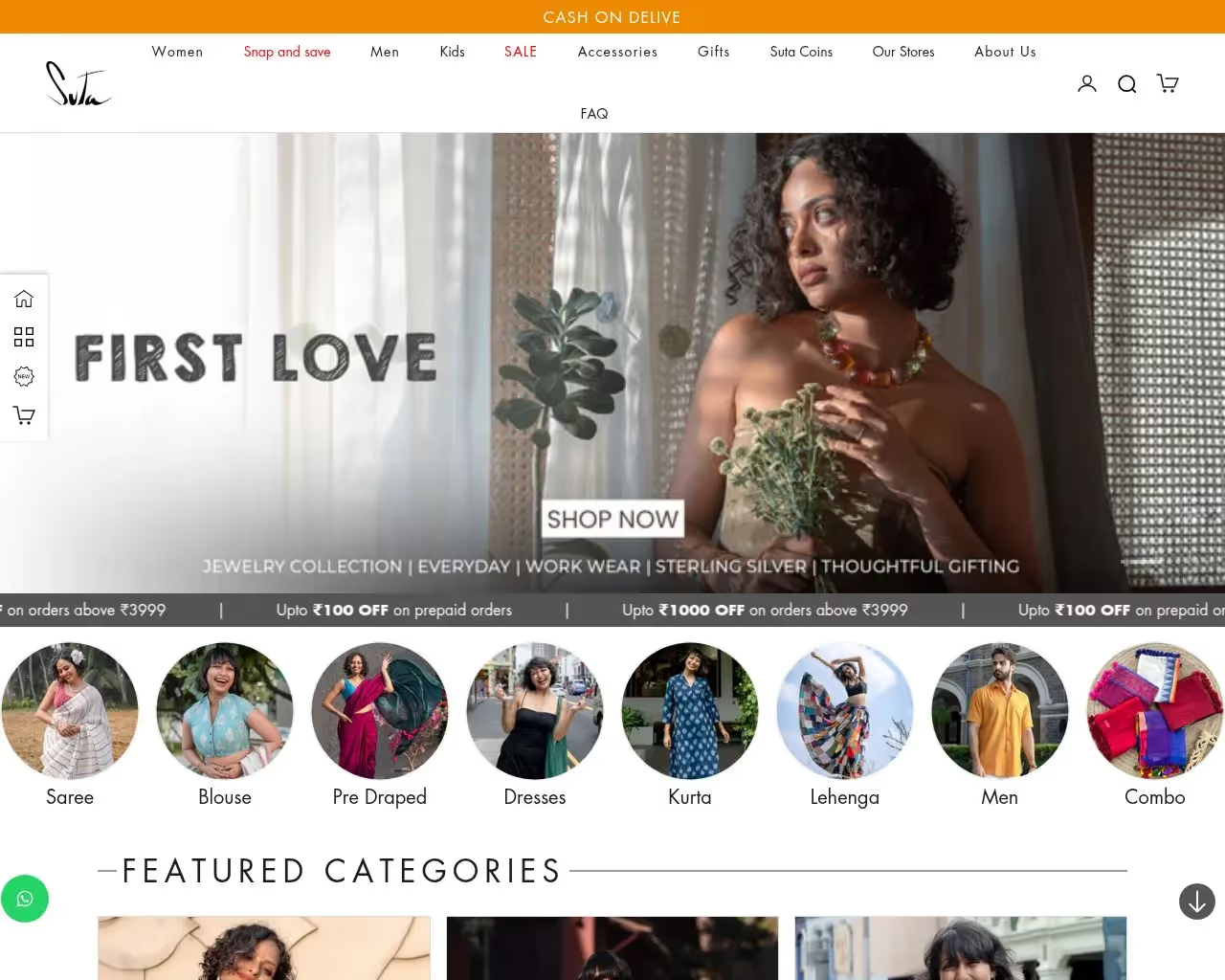
Suta is a contemporary brand reviving traditional Indian textiles through handcrafted sarees and blouses. It focuses on empowering artisans and promoting sustainable fashion.
Top Selling Product
Cotton sarees
Country
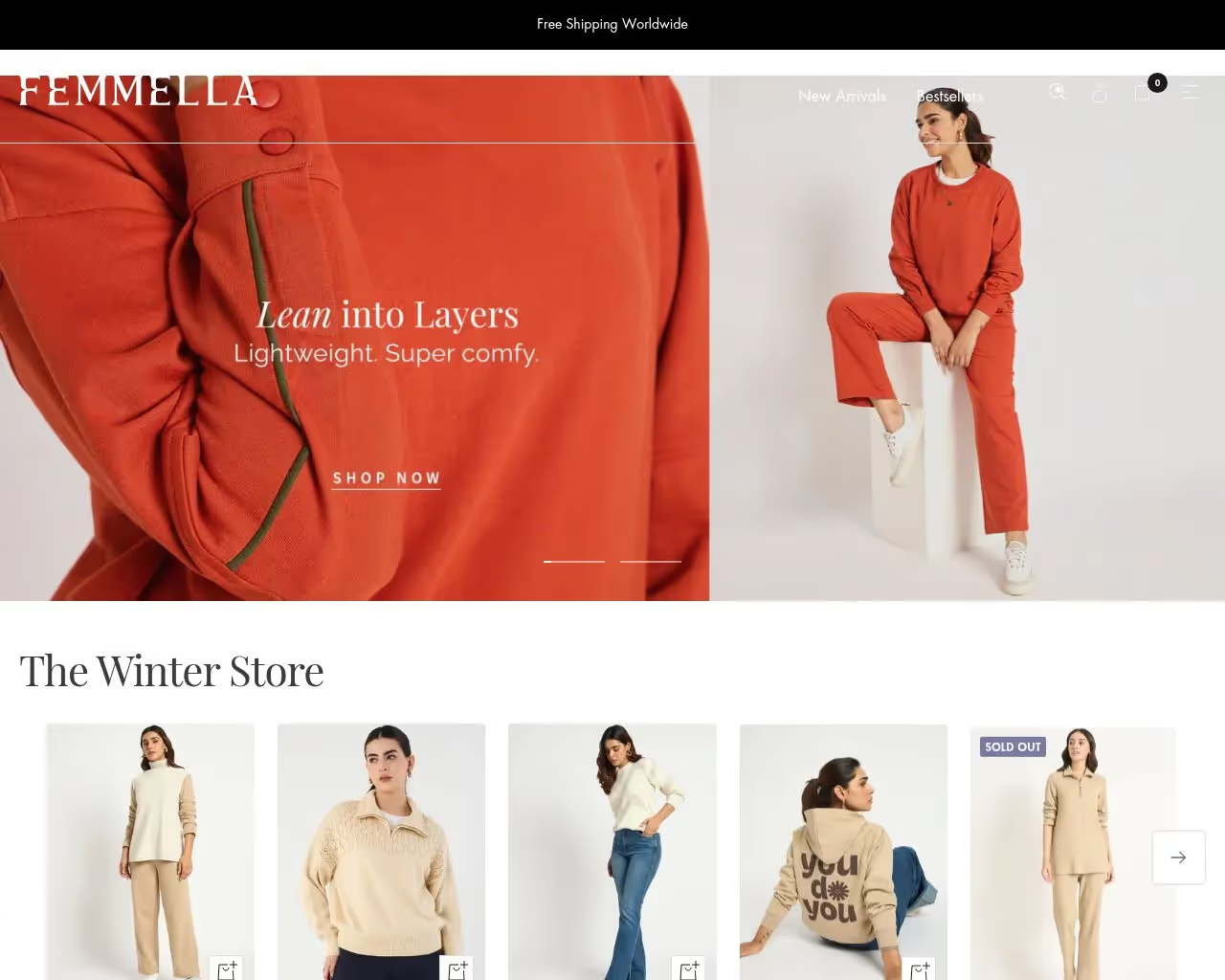
Femella is an online women’s fashion brand offering stylish and comfortable western wear tailored for the modern Indian woman. Their collection includes dresses, tops, and lounge wear.
Top Selling Product
Dresses and tops
Country
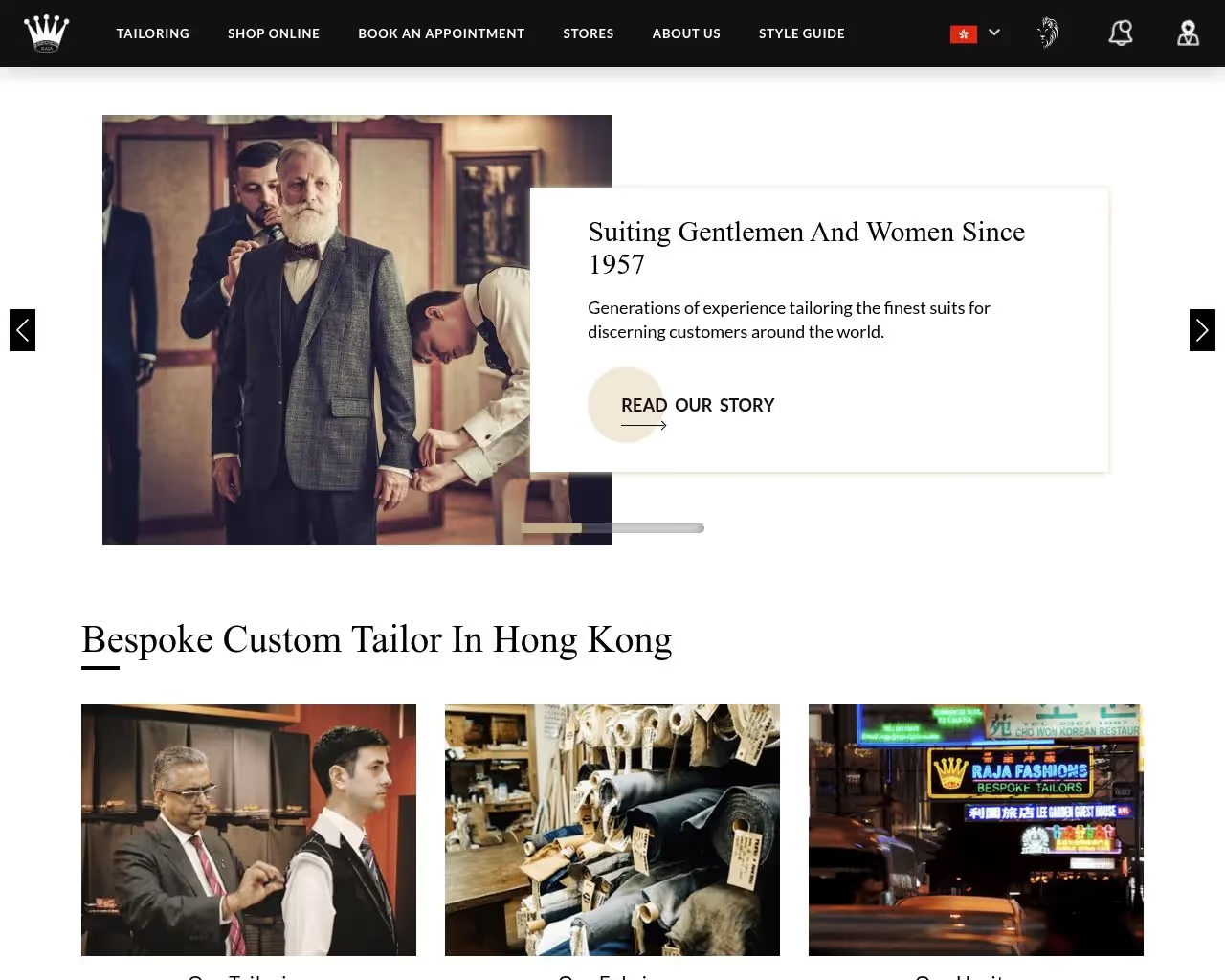
Provides bespoke tailoring services with a global clientele.
Top Selling Product
Custom-tailored suits
Country
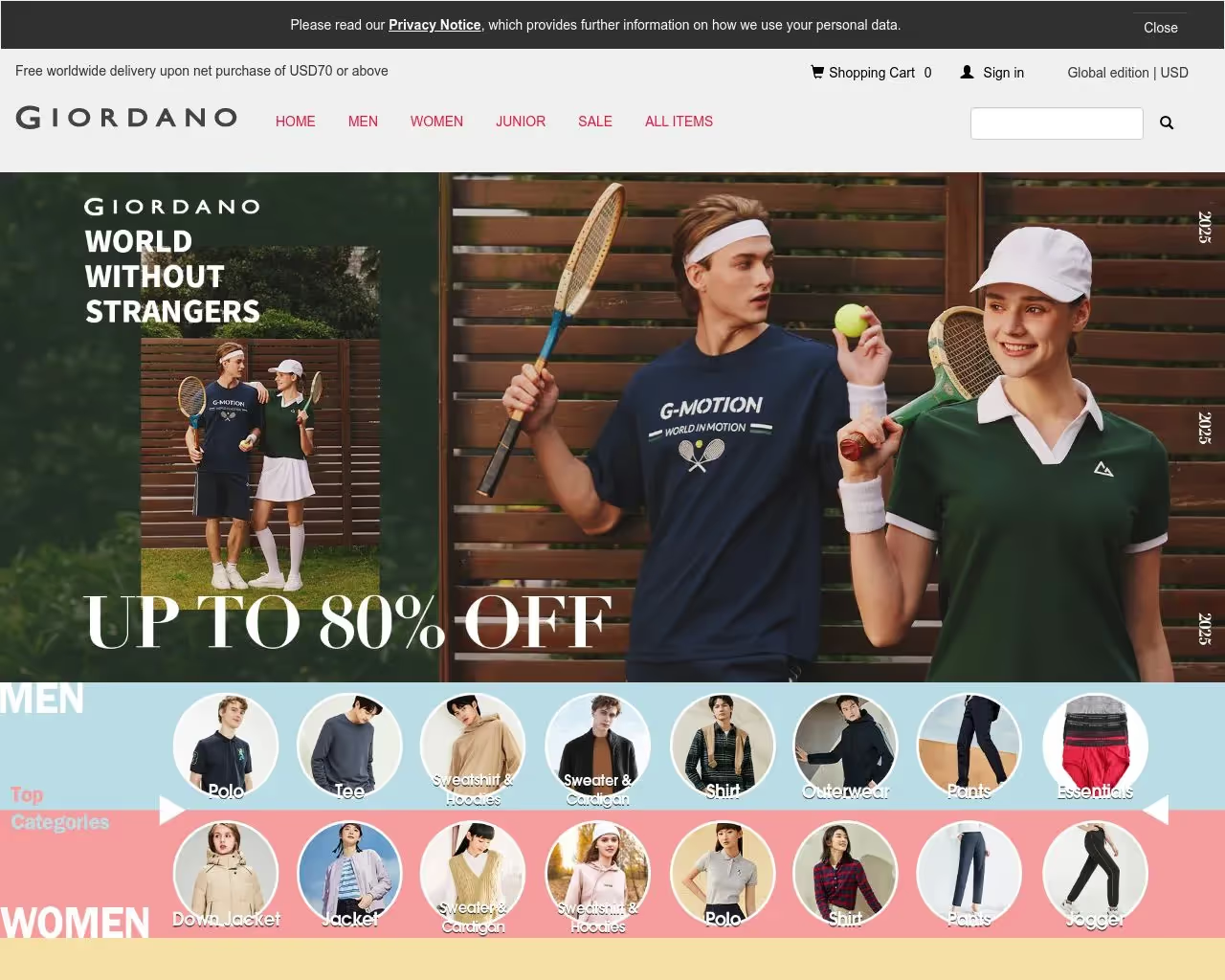
A global apparel retailer offering casual wear for men, women, and children.
Top Selling Product
Casual apparel
Country

A leading fast-fashion brand offering trendy apparel for women, men, and kids. Known for its rapid product turnover and influencer collaborations, Fashion Nova has become a staple in affordable fashion.
Top Selling Product
Trendy fashion apparel
Country
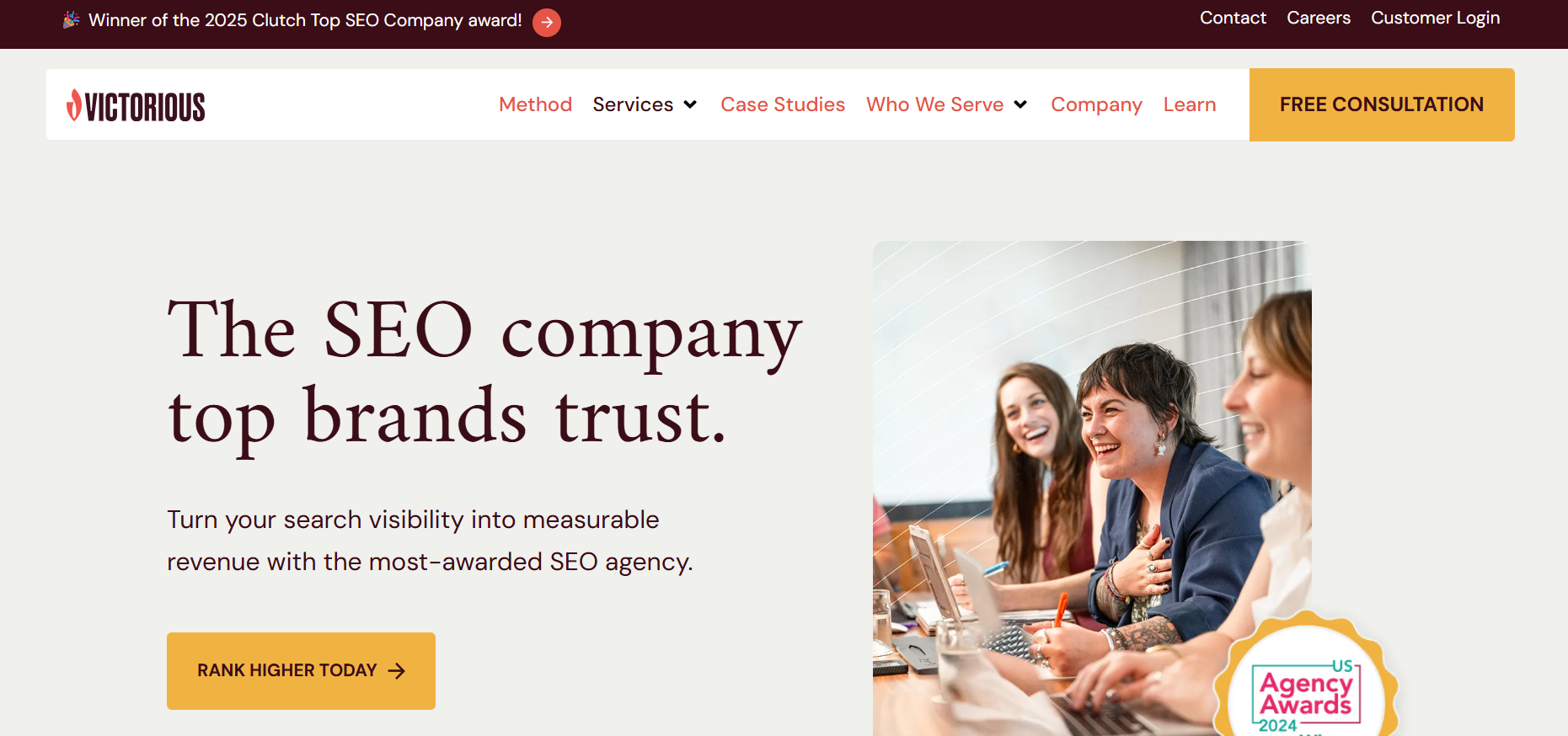
Provides sustainable and eco-friendly clothing and accessories.
Top Selling Product
Sustainable apparel
Country
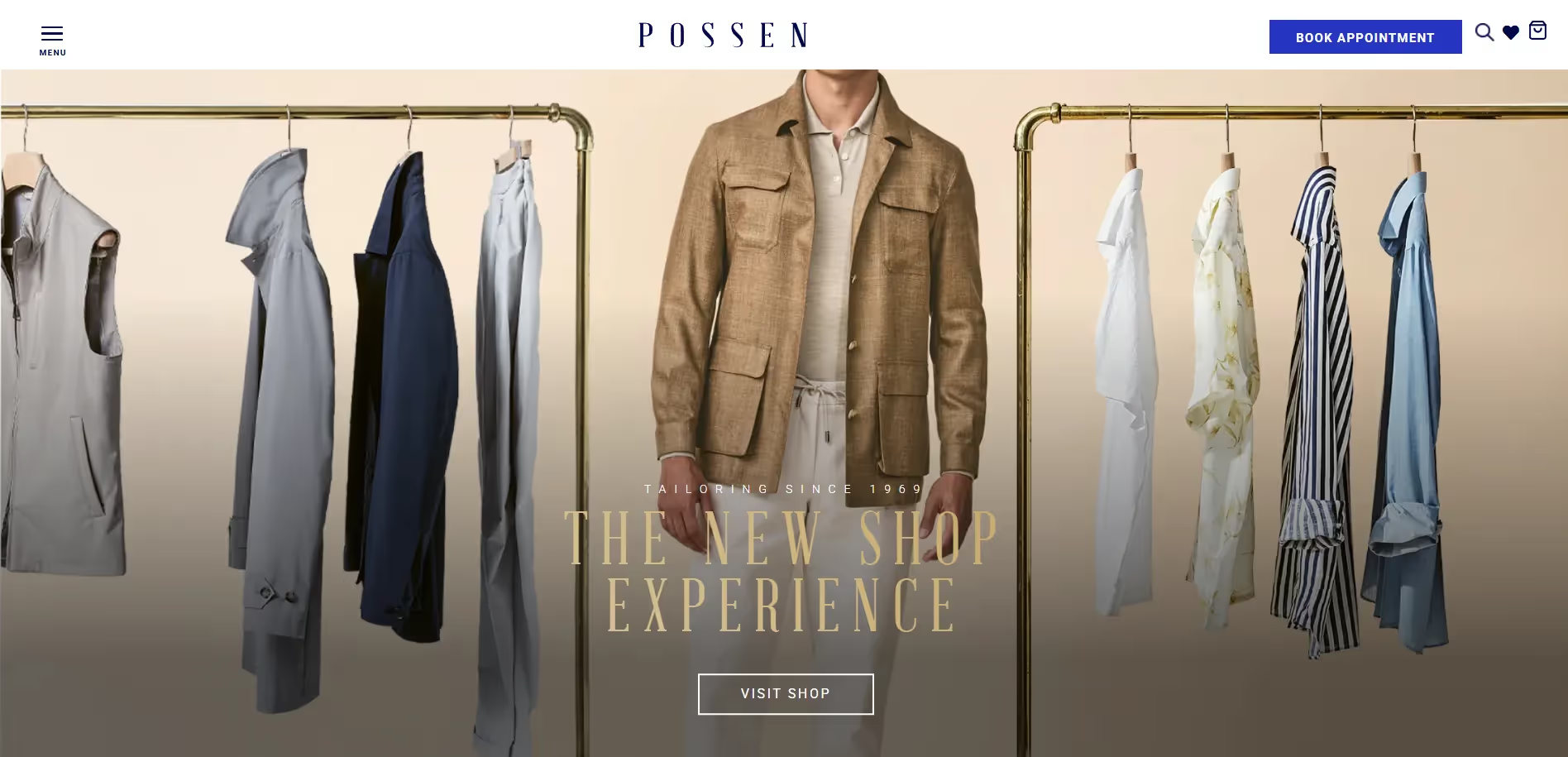
Provides tailored men's suits and formal wear.
Top Selling Product
Tailored men's suits
Country
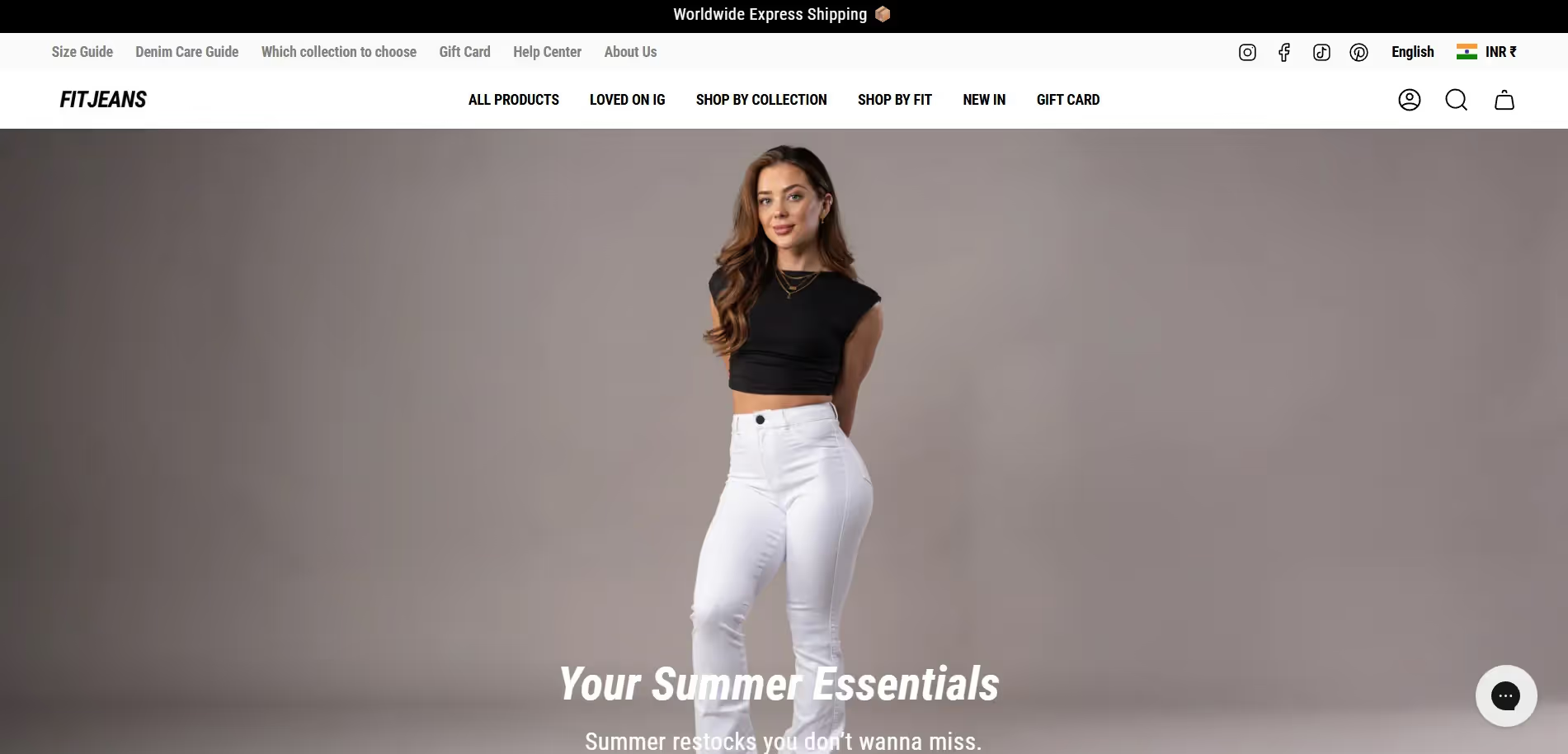
Specializes in jeans designed to fit athletic body types, combining style and comfort.
Top Selling Product
Athletic-fit jeans
Country
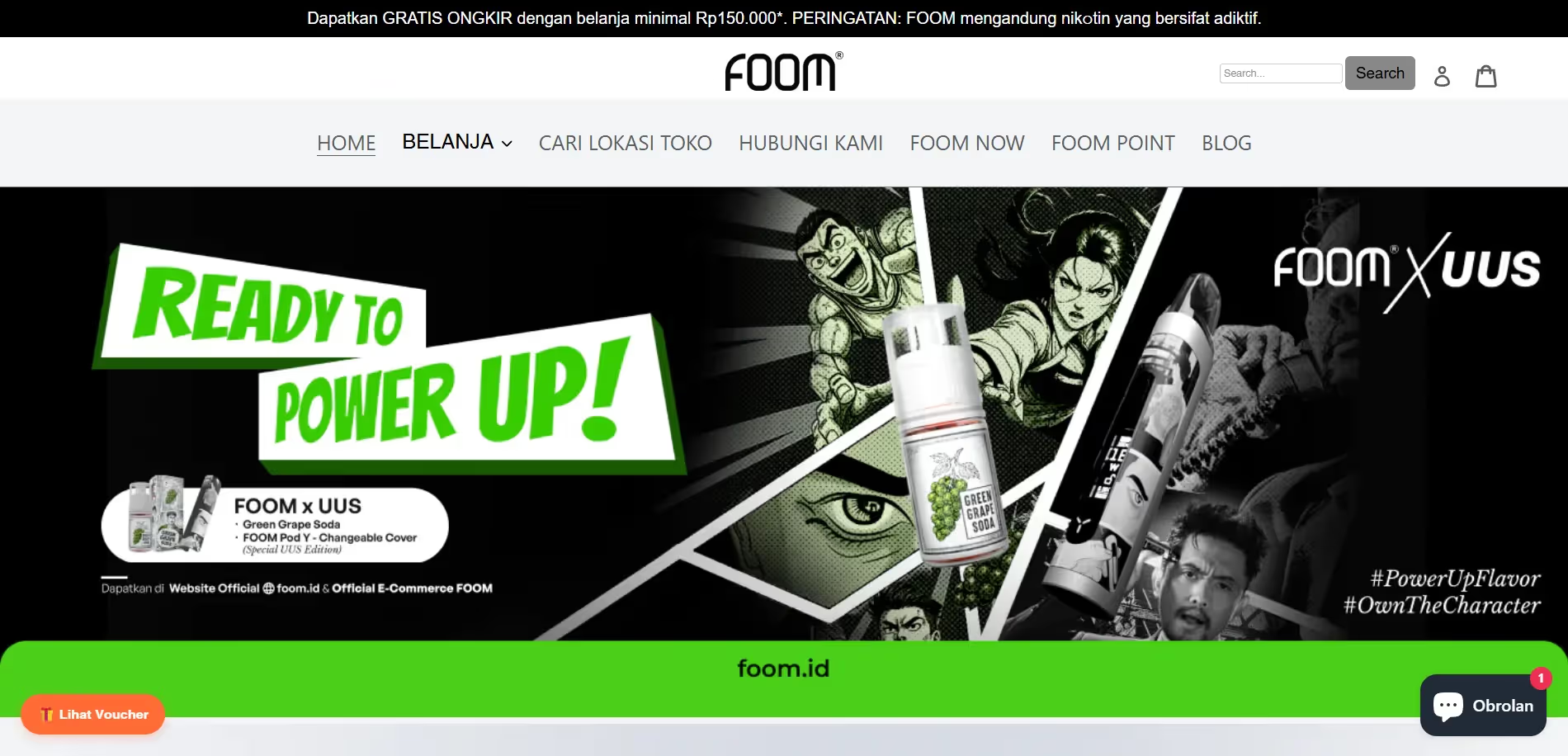
FOOM is a lifestyle brand providing a variety of products, including fashion items and accessories, with a focus on modern design.
Top Selling Product
Casual Wear
Country
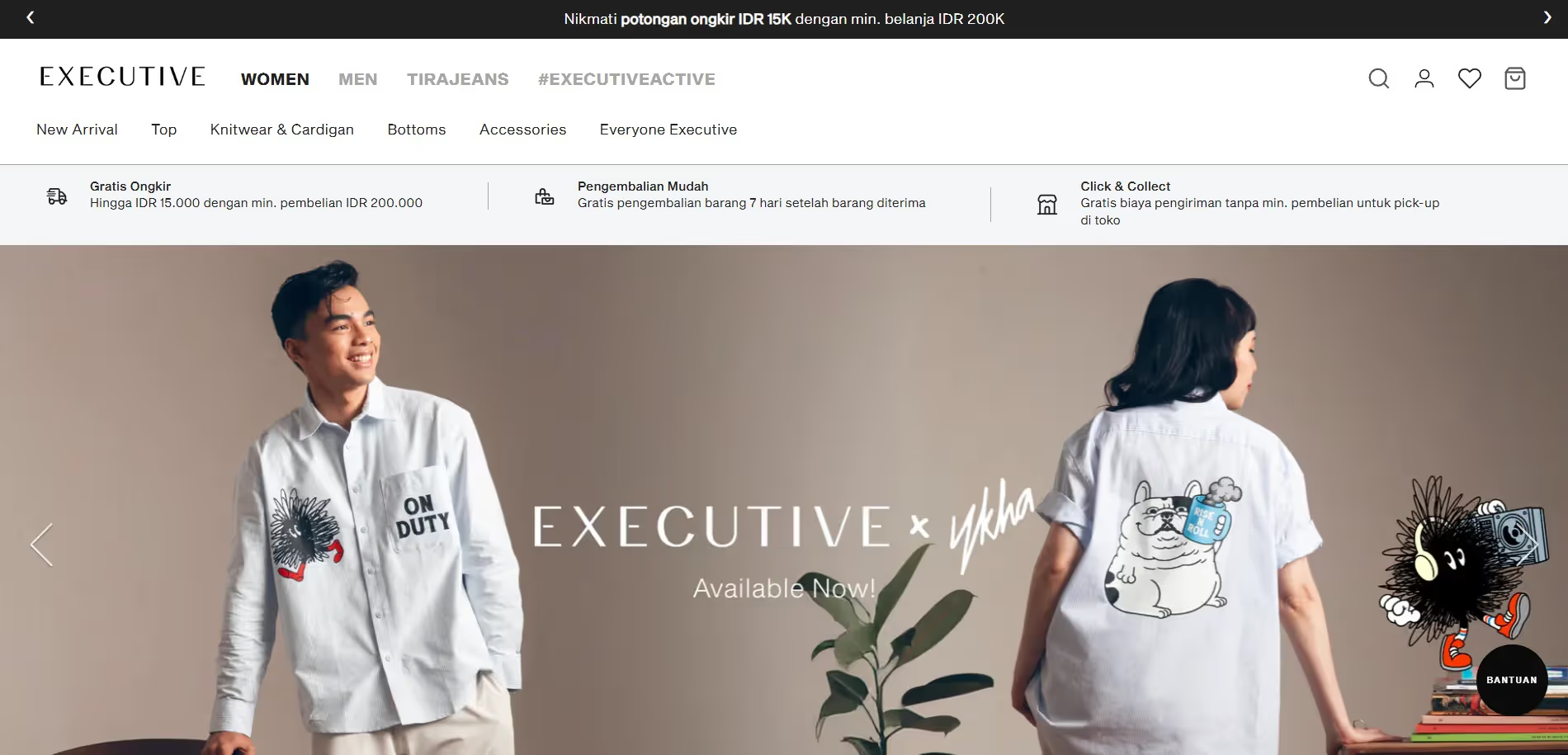
Executive is a fashion retailer offering contemporary clothing for men and women, focusing on professional and casual wear.
Top Selling Product
Men's Formal Shirts
Country
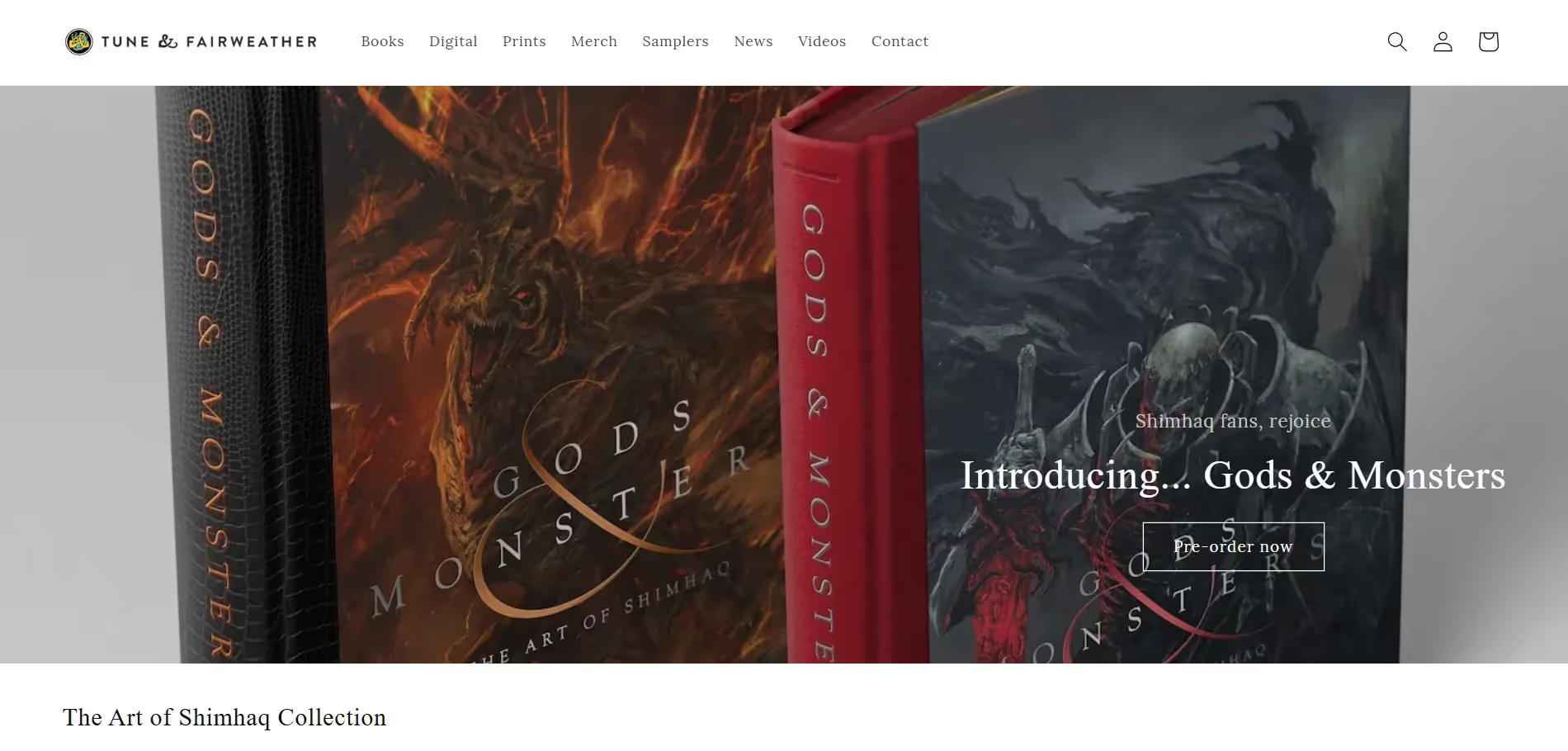
Tune & Fairweather is a boutique offering a curated selection of menswear and accessories, emphasizing timeless style and craftsmanship.
Top Selling Product
Tailored Suits
Country
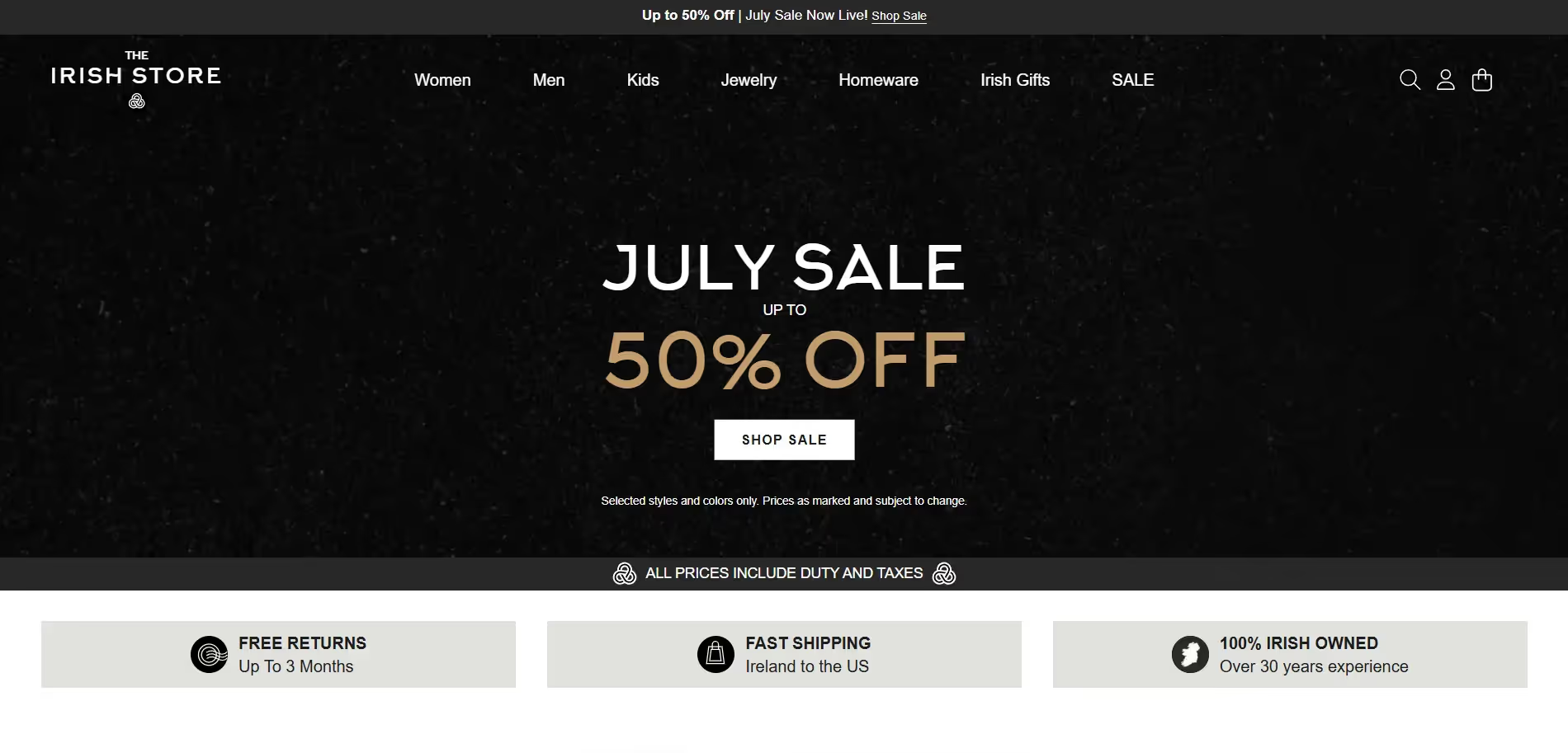
The Irish Store offers a curated collection of traditional Irish clothing, jewelry, and homeware, celebrating Irish heritage and craftsmanship.
Top Selling Product
Aran Sweaters
Country
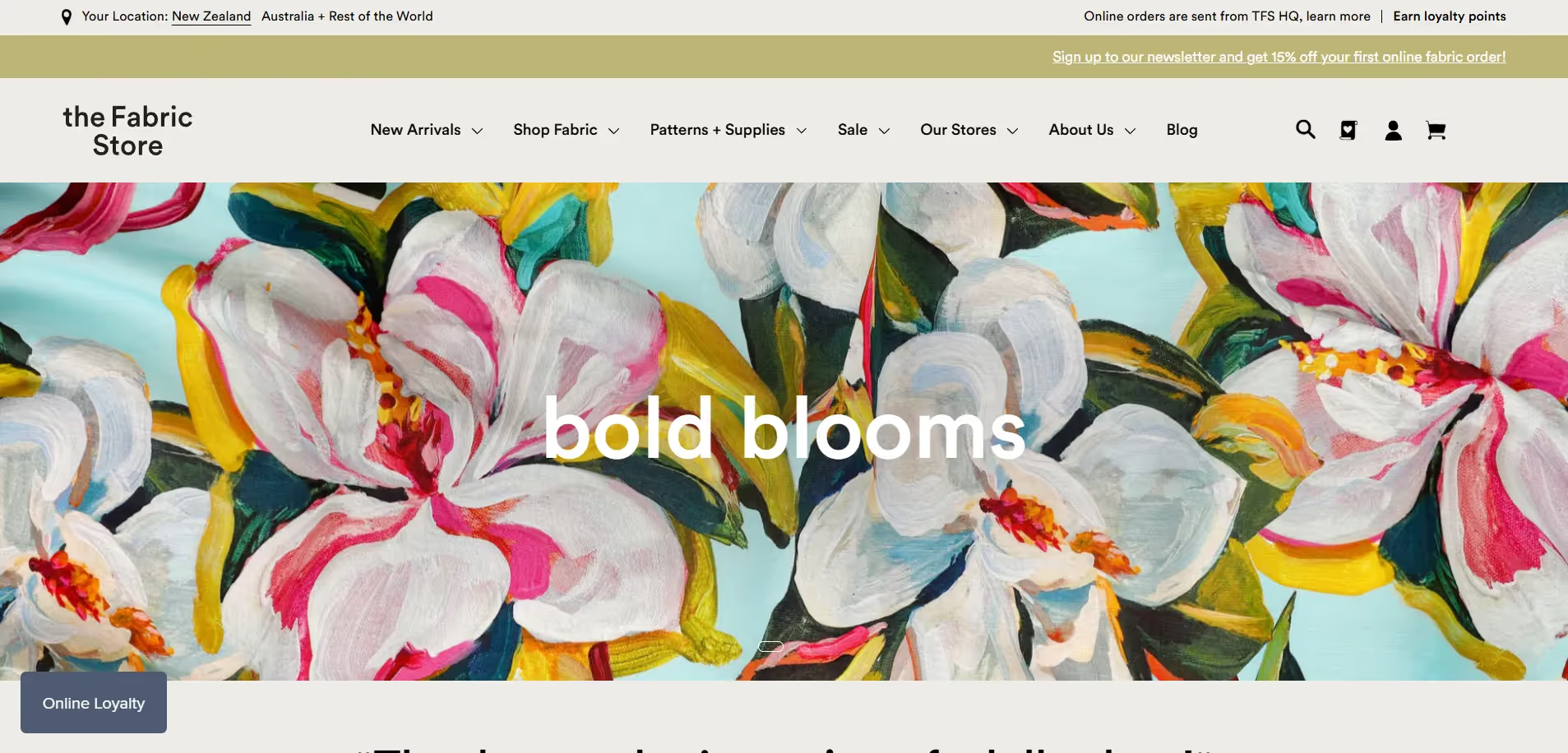
The Fabric Store is a leading destination for quality fabrics, offering a curated range of designer dress fabrics, Liberty prints, and merino wool.
Top Selling Product
Merino Wool Fabrics
Country
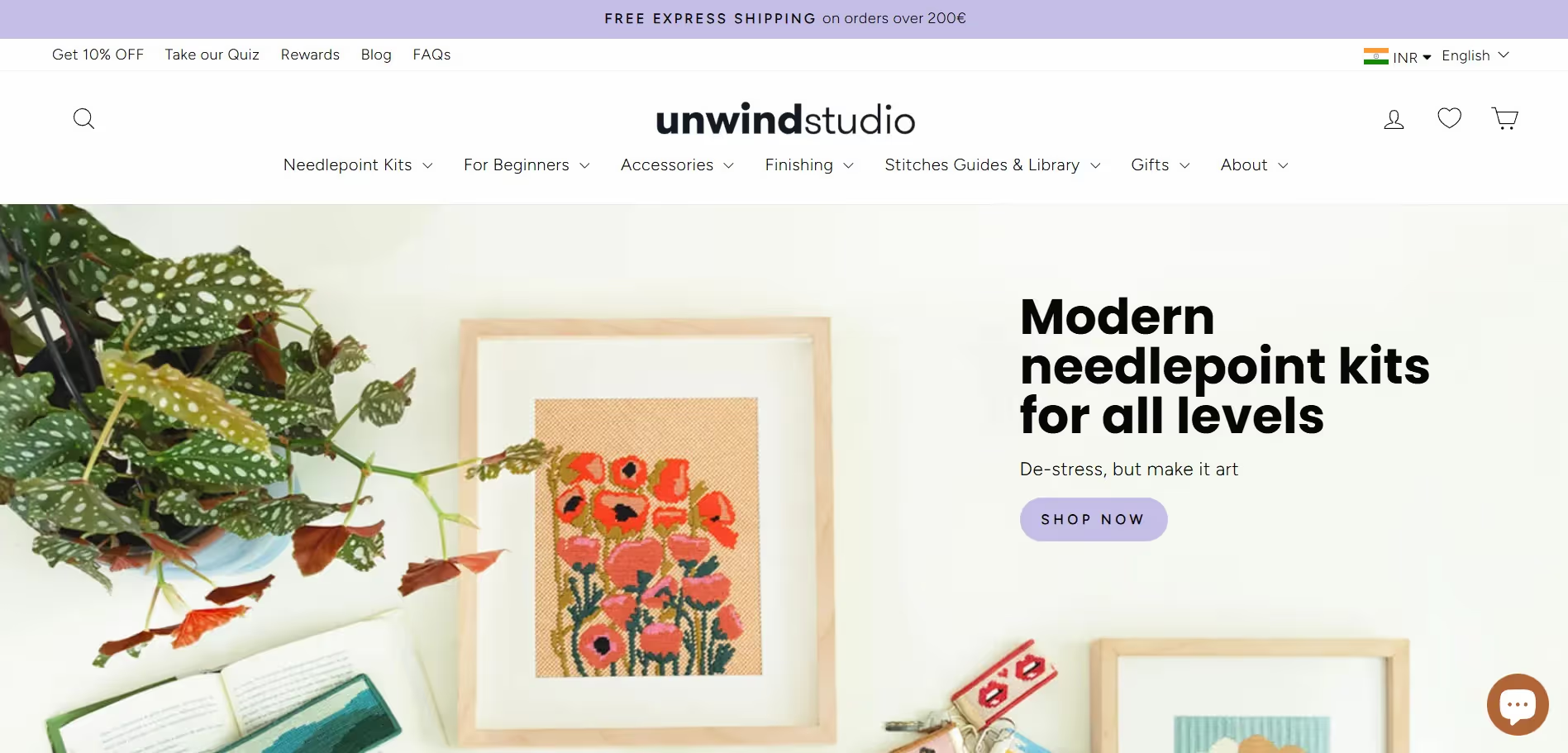
Unwind Studio offers modern embroidery kits and art projects, encouraging creativity and mindfulness through engaging DIY experiences suitable for all skill levels.
Top Selling Product
Embroidery Starter Kits
Country
Lightning Bolt is a surf-inspired brand offering apparel and accessories that embody the spirit of adventure and the surfing lifestyle.
Top Selling Product
Surf Tees
Country
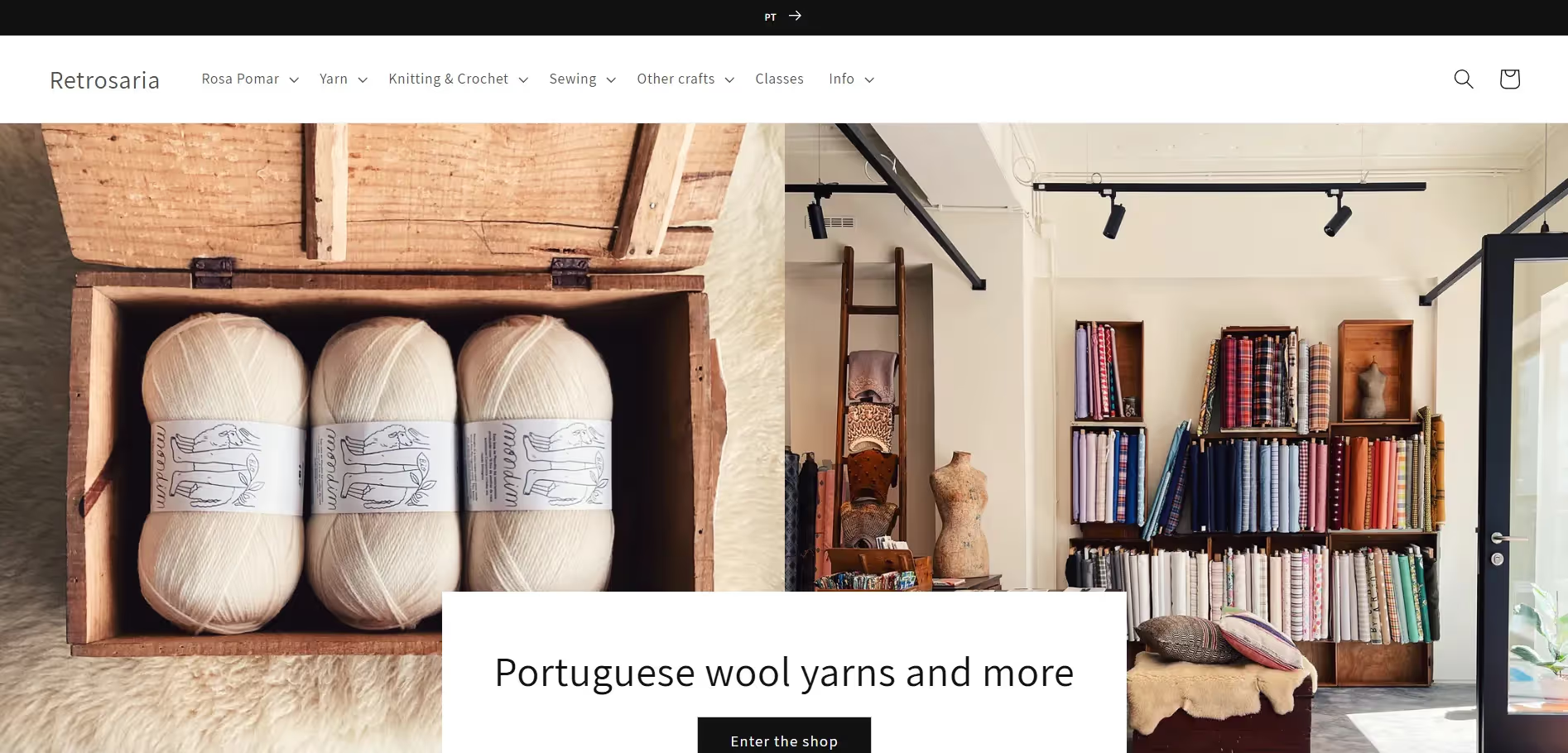
Rosapomar is a Portuguese brand dedicated to sustainable and traditional textile products, offering yarns and fabrics that celebrate local heritage and eco-friendly practices.
Top Selling Product
Hand-Dyed Yarn
Country
ZIVI-Kleider provides official clothing and accessories for Swiss civil service members, ensuring quality and compliance with regulations.
Top Selling Product
Service Uniforms
Country
Home textiles represent a $145.3 billion market in 2026 growing at a 5.1 percent CAGR, with bamboo and sustainable textiles as the fastest-growing sub-segment at 9.6 percent CAGR. The craft textile market (yarn, fabric, and supplies for makers) adds another $10.1 billion growing at 6.5 percent CAGR, supported by 34 million US knitters and crocheters who represent one of the most engaged and subscription-receptive buyer communities in ecommerce. Average order values range from $85 to $130 for home textiles and $40 to $80 for craft textiles, with repeat purchase rates of 40 to 55 percent within 12 months for stores that invest in community and subscription infrastructure. Parachute's swatch programme reduced their return rate by 30 percent, and Brooklinen's bundle architecture, anchored by "The Classic Bundle" as a hero offer, drives over 40 percent repeat purchase.
• Parachute invested in a physical swatch programme that allows buyers to feel fabric quality before committing to a bedding purchase. The programme reduced returns by 30 percent and significantly improved conversion on premium price points where touch and feel are the primary purchase barriers. Their Shopify migration also saved over $1 million in annual platform costs, funding reinvestment into the customer experience.
• Brooklinen built its entire bundle architecture around "The Classic Bundle" as a flagship offer, training customers to think about bedding as a complete set rather than individual items. The bundle mechanic drives higher AOV on the initial purchase and higher repeat purchase rates as customers return to build out or replace their initial set.
• Darn Good Yarn built a subscription yarn club programme combined with a strong community around sustainable and recycled yarn. The combination of subscription economics and community engagement creates retention metrics that commodity craft suppliers cannot approach, with members who identify with the brand as much as the product.
• Bamboo and sustainable textiles are growing at 9.6 percent CAGR, the fastest sub-segment in home textiles, driven by buyers who want softness and sustainability combined. Brands with transparent supply chains and third-party certifications are outperforming those with vague sustainability claims.
• Craft yarn and fabric for makers serves 34 million US knitters and crocheters who are among the most loyal, subscription-receptive, and community-oriented buyers in ecommerce. The segment is underserved by premium DTC brands relative to its size and engagement level.
• Luxury bedding DTC is cutting out department store markup and building direct relationships with buyers who previously purchased through retail channels. Premium positioning with strong visual merchandising and swatch programmes is the differentiating infrastructure.
• Performance textiles (moisture-wicking sheets, temperature-regulating blankets, compression fabrics) are a growing category driven by the broader wellness and sleep optimisation trend.
• Pre-cut fabric bundles for quilters and crafters represent a highly curated, convenience-oriented sub-category where buyers pay a meaningful premium for the curation and coordination work that saves them time.
• Texture and feel cannot be communicated through photography alone, and most DTC textile stores try to sell premium products without addressing the tactile uncertainty that prevents conversion. Physical swatch programmes reduce return rates by 25 to 35 percent for premium textiles, and the investment pays for itself quickly at higher AOV price points.
• Commoditisation of basics is a margin-destroying trap. Thread count wars and price compression on standard cotton products have created a race to the bottom that most DTC brands cannot win against larger manufacturers. The defensible position is in premium materials, sustainable sourcing, and maker-focused products.
• Ignoring the maker community (34 million US knitters and crocheters) means missing one of the most engaged buyer groups in ecommerce. This community has exceptional subscription behaviour, strong social sharing tendencies, and deep loyalty to brands that invest in community. Stores that treat yarn and fabric as commodity products rather than community products leave significant LTV on the table.
• No bundle architecture for textiles leaves AOV significantly below its potential. Bedding is naturally sold in sets. Yarn projects require multiple skeins. Fabric collections are purchased in coordinating combinations. Stores without bundle mechanics for these natural pairings are not capturing the full purchase intent of each visit.
• Gross margin: 45 to 60 percent for home textiles; slightly lower for craft textiles at commodity price points
• AOV: $85 to $130 for home textiles; $40 to $80 for craft textiles (higher with subscription clubs)
• Return rate: 8 to 15 percent overall; drops to 5 to 10 percent for stores with swatch programmes
• Repeat purchase rate: 40 to 55 percent within 12 months for stores with community and subscription infrastructure
• Subscription retention (yarn clubs, fabric of the month): 60 to 75 percent at 6 months for well-curated programmes
Subscription is the foundational retention mechanic for craft textile stores because the 34 million US knitters and crocheters who make up the core buyer base are among the most subscription-receptive communities in ecommerce, and yarn club or fabric-of-the-month programmes convert this audience into predictable recurring revenue at retention rates of 60 to 75% at six months. Recharge Subscriptions powers yarn club and curated fabric subscription programmes for DTC textile brands, with flexible scheduling options, skip mechanics, and subscriber analytics that help curators understand which monthly selections drive the lowest churn.
Bedding and home textiles are naturally sold in sets, and stores that bundle them systematically capture significantly more AOV per visit than those relying on individual piece browsing. Easy Bundle Builder by Skai Lama enables "complete the bed" and "coordinated room set" bundle mechanics that group duvet covers, pillowcases, fitted sheets, and decorative cushions into curated configurations at a bundle discount, serving buyers who want a coherent aesthetic and are willing to invest in the complete set when the price incentive makes it rational.
Quantity break pricing is the standard purchasing mechanic for fabric buyers and yarn enthusiasts because projects require multiple metres or skeins and buyers naturally purchase in project-sized quantities rather than individual units. Fly: Bundles and Cross Sell by Skai Lama powers quantity break promotions (buy 3 metres, save 10%; buy 5 metres, save 20%) with a storefront display that communicates per-unit savings clearly at the product page level, driving larger initial purchases and reducing the friction of repeat visits for additional project materials.
Volume discount mechanics are effective for both home buyers stocking seasonal linen and craft buyers purchasing fabric collections, and tiered pricing rewards the commitment to larger orders that benefits both inventory management and unit economics. Kite: Free Gifts and Discounts by Skai Lama automates volume discount tiers, free swatch inclusions above a spend threshold for buyers evaluating premium textiles, and seasonal promotional mechanics for the key buying windows in the textile calendar (January sales, spring refresh, gifting season).
Finished project photos from yarn and fabric buyers are among the most community-valued and conversion-driving review assets in craft retail because they show both the quality of the raw material and the inspiration of what it can become. Okendo supports photo review collection with project type and fibre attribute fields, and textile stores using it see meaningfully higher review engagement and referral traffic from craft community forums and social channels where finished project content is actively shared.
Textiles is a category where the physical experience of the product and the community around making are the two variables that determine LTV. Operators who solve the tactile barrier through swatch programmes, invest in bundle architecture that mirrors how buyers actually purchase textiles (in sets and collections rather than individual items), and build genuine community around the maker identity are creating a compounding advantage that commodity textile resellers cannot replicate. The sustainable textiles segment and the craft maker community are both growing faster than the broader category and are disproportionately underserved by premium DTC brands.

Textile-focused Shopify stores offer fabrics by the meter, organic cotton sheets, home linens, rugs, blankets, artisan-dyed scarves, and sewing kits. These stores often feature ethically sourced or sustainably produced fabrics, appealing to home crafters, designers, and conscious consumers. Skailama supports these stores by providing fabric-specific FAQs (e.g., GSM, stretch, wash care) and swatch-request automation.
Yes. Many top stores use GOTS-certified organic cotton, OEKO-TEX dyes, and fair-trade materials. Skailama boosts transparency by dynamically tagging certified products, surfacing sustainability-related FAQs, and improving SEO through enriched metadata about production ethics and supply chain.
Yes. Leading stores offer cut-to-order fabric lengths, free or paid swatches, and volume pricing for businesses. With Skailama, these stores automate FAQs for ordering minimums, bulk discounts, lead times, and returns—ensuring both casual and commercial buyers are well-supported.
Skailama helps automate detailed care instructions via product-specific FAQ widgets. These may include guidance for handwashing, air drying, wrinkle care, or avoiding shrinkage—especially useful for buyers who want longevity from artisanal or delicate materials.