

Our Apps Have Driven
5X AOV | 2X Conversions | $30M+ Additional Revenue
5X AOV | 2X Conversions | $30M+ Additional Revenue
.svg)


5.0 (3000+ Reviews)


Shopify Apps





.svg)

Tailor your search to find the perfect Shopify store.
Categories
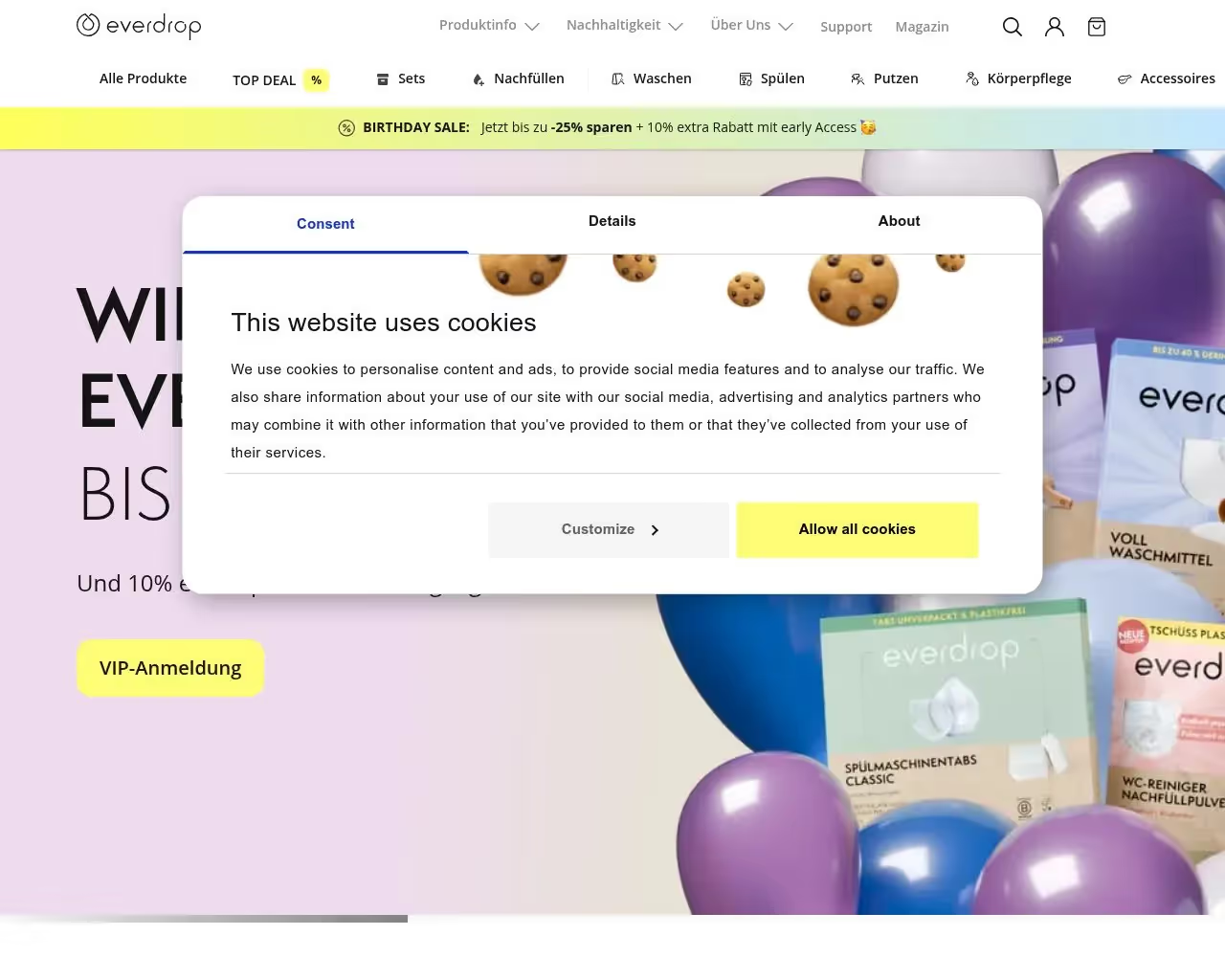
Everdrop creates eco-friendly household cleaning solutions such as refillable cleaning tablets. Their mission is to reduce single-use plastics while providing effective and sustainable alternatives. The Shopify store showcases subscription services and carbon-saving calculators.
Top Selling Product
Eco-friendly cleaning tablets
Country
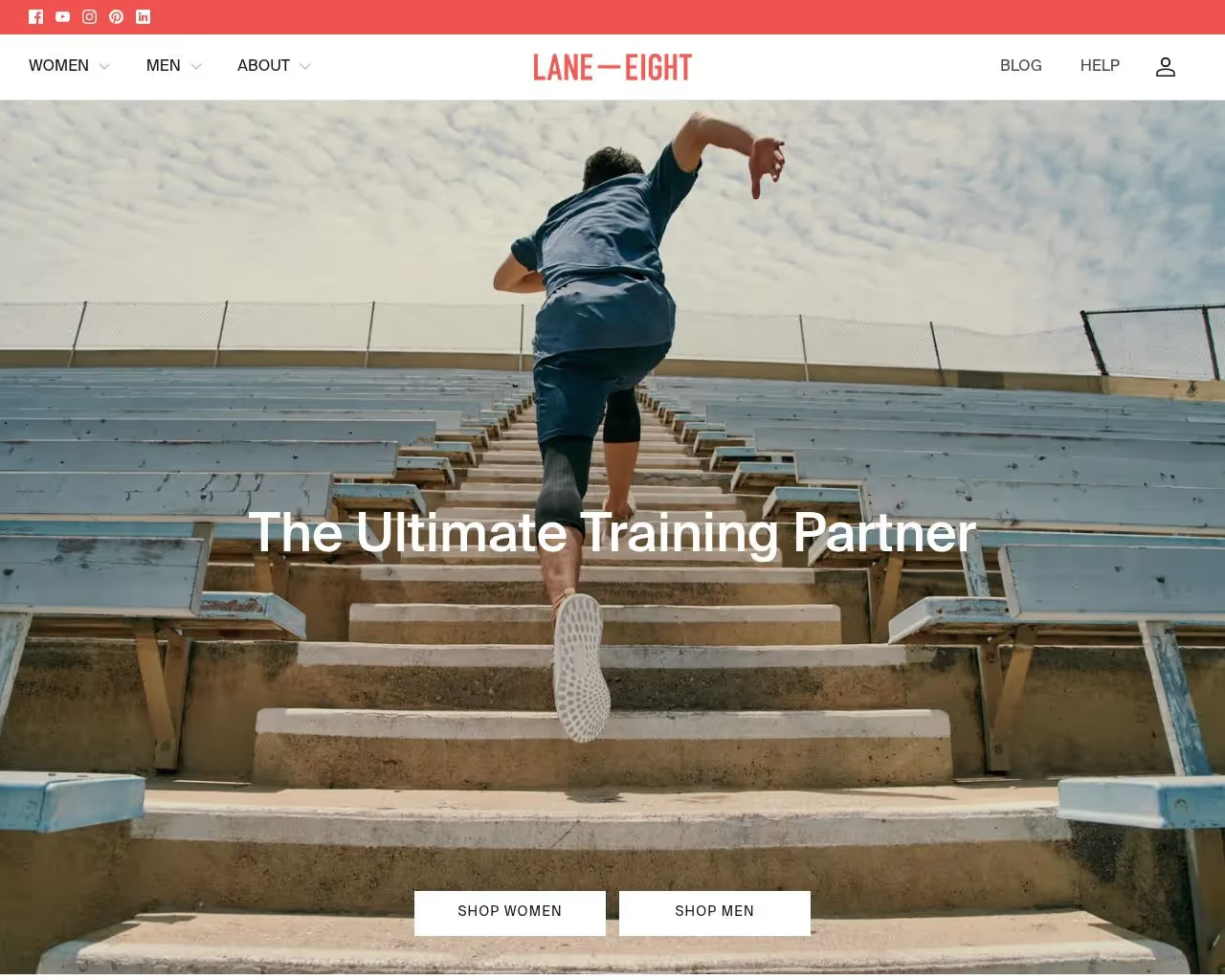
Offers eco-friendly athletic footwear designed for everyday performance.
Top Selling Product
Eco-friendly athletic shoes
Country
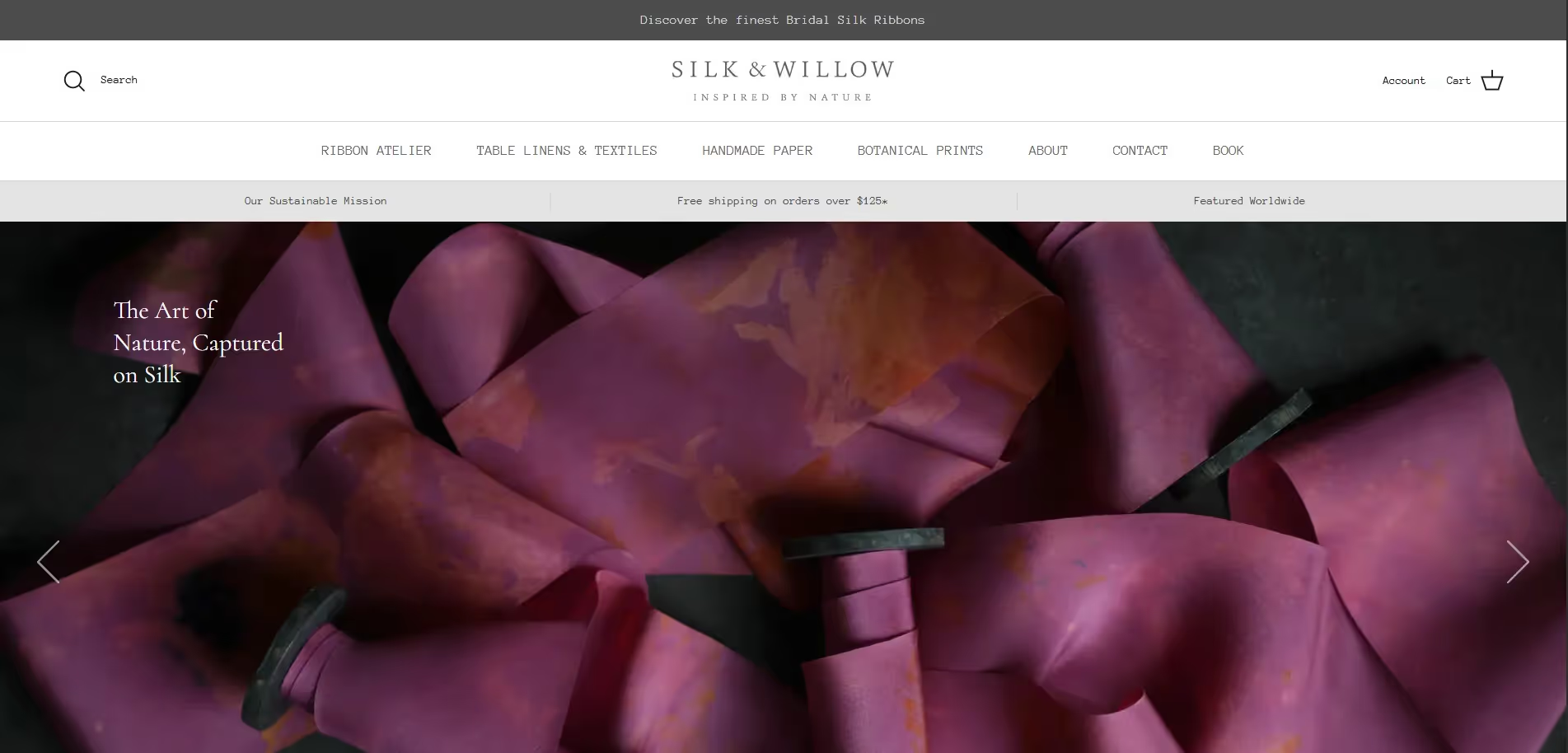
Provides eco-friendly wedding décor and textiles.
Top Selling Product
Eco-friendly wedding décor
Country
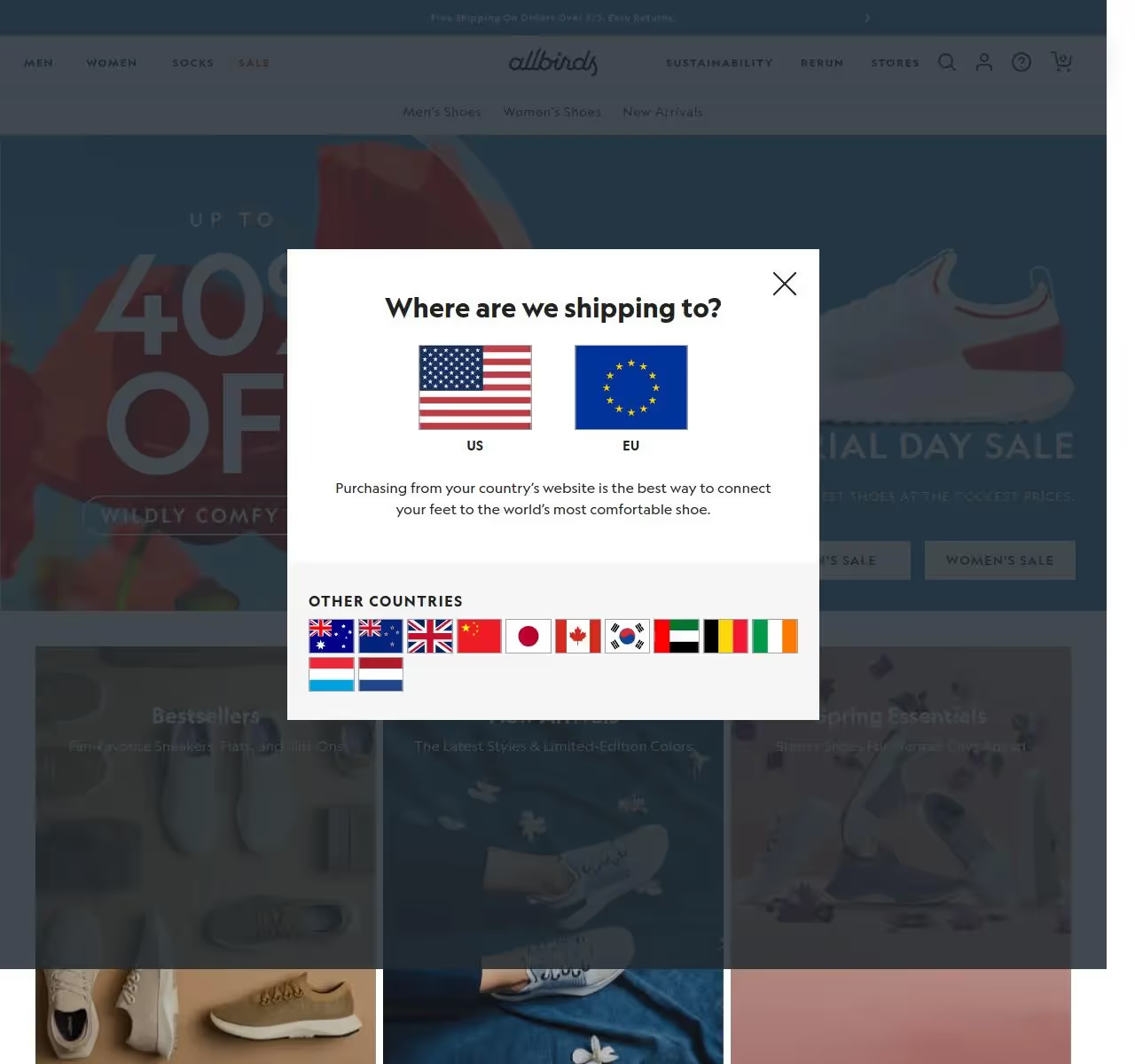
An eco-friendly footwear company that uses sustainable materials like merino wool and eucalyptus tree fiber. Allbirds is praised for its minimalist design and comfort.
Top Selling Product
Sustainable footwear
Country
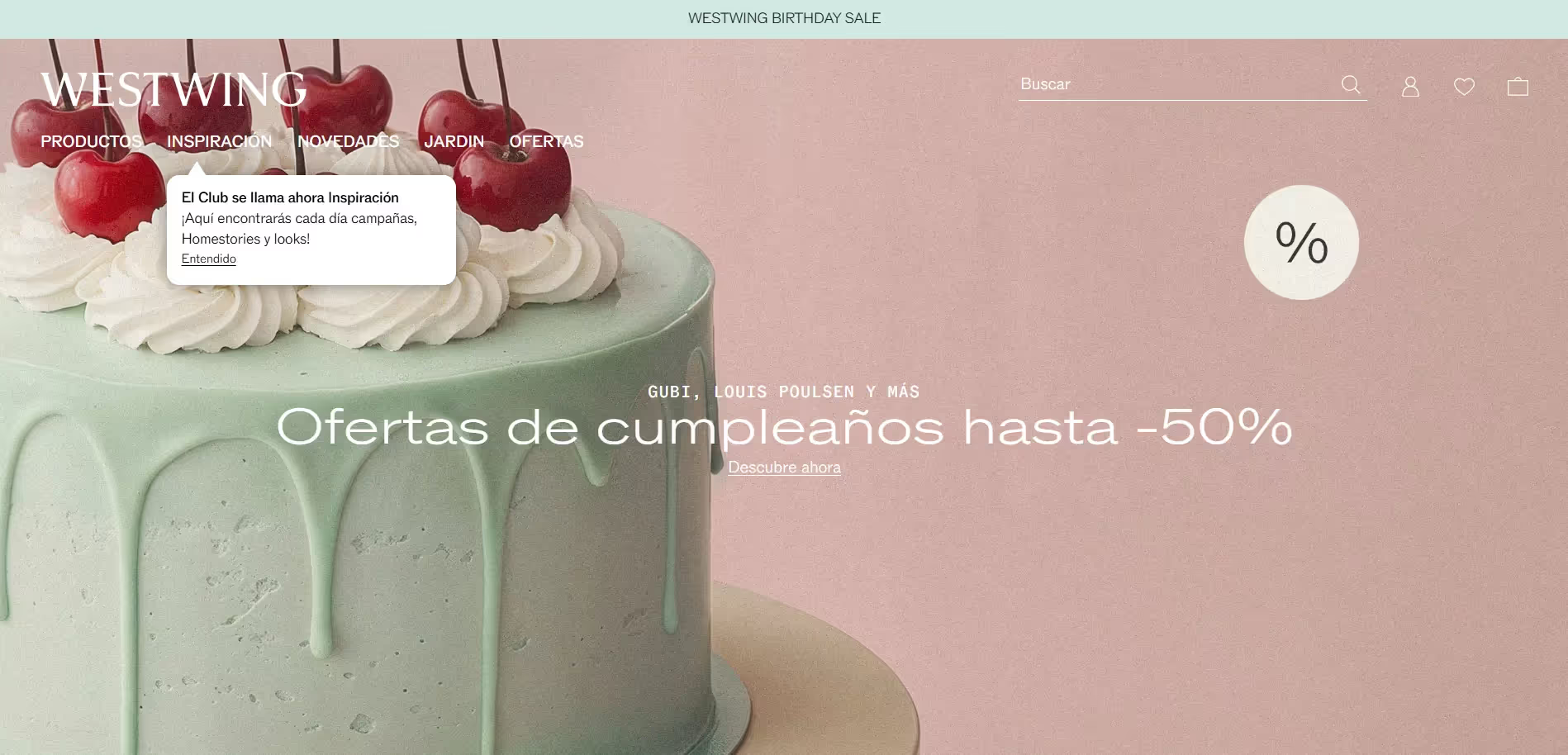
An online home and living shopping club offering furniture and decor.
Top Selling Product
Home decor items
Country
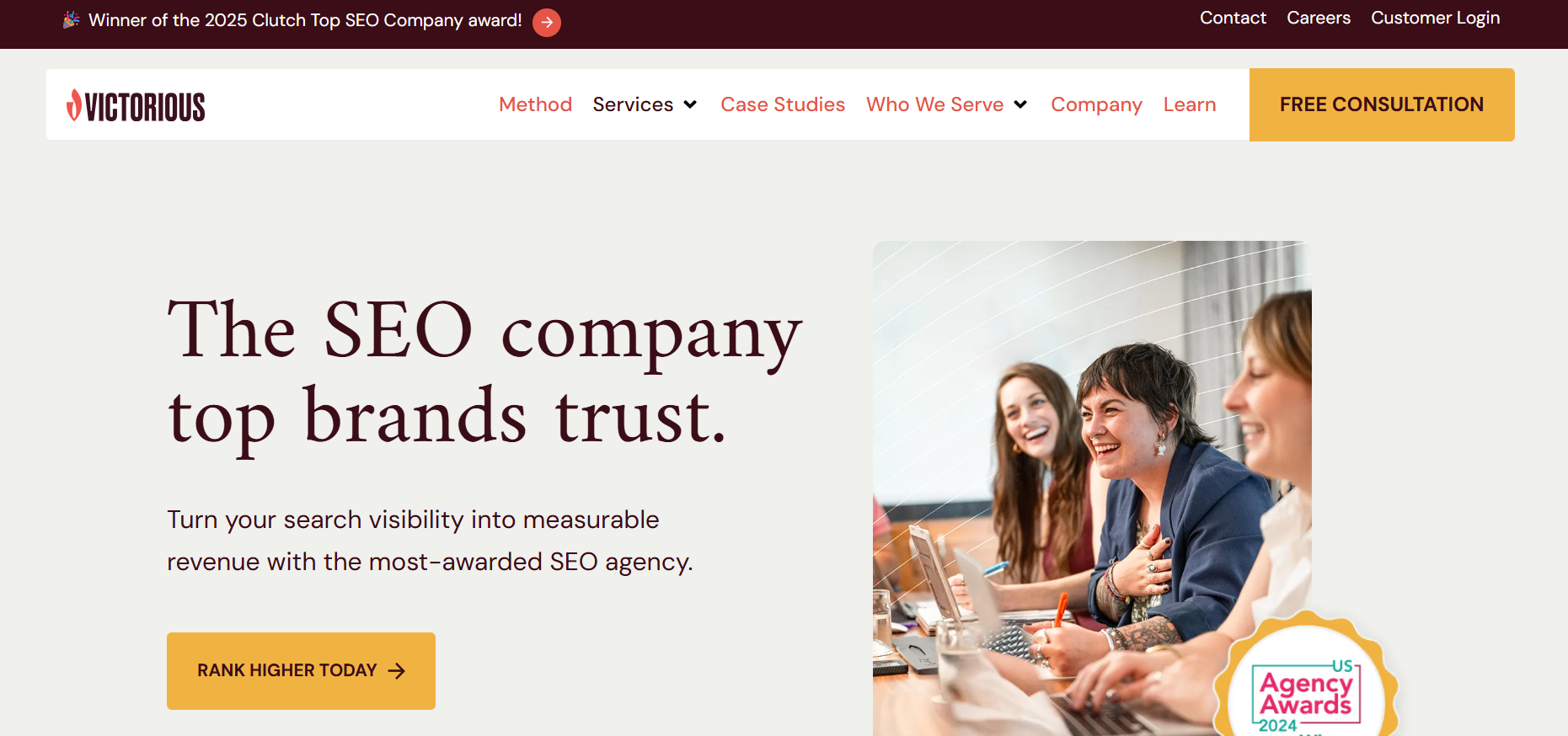
Önling offers sustainable fashion and knitting patterns for conscious consumers.
Top Selling Product
Sustainable clothing
Country
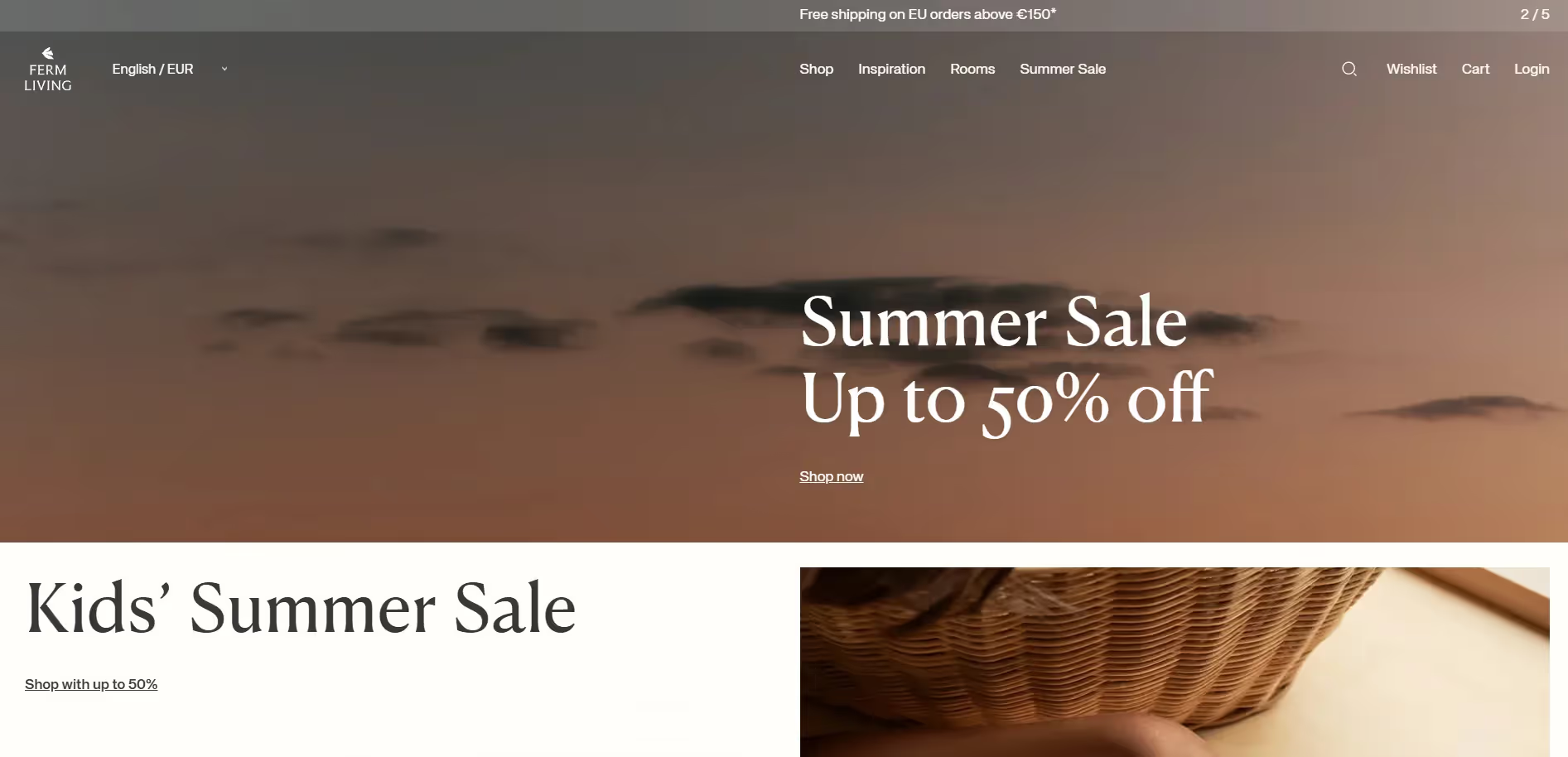
ferm LIVING designs and manufactures interior products with a focus on Scandinavian design.
Top Selling Product
Home decor items
Country
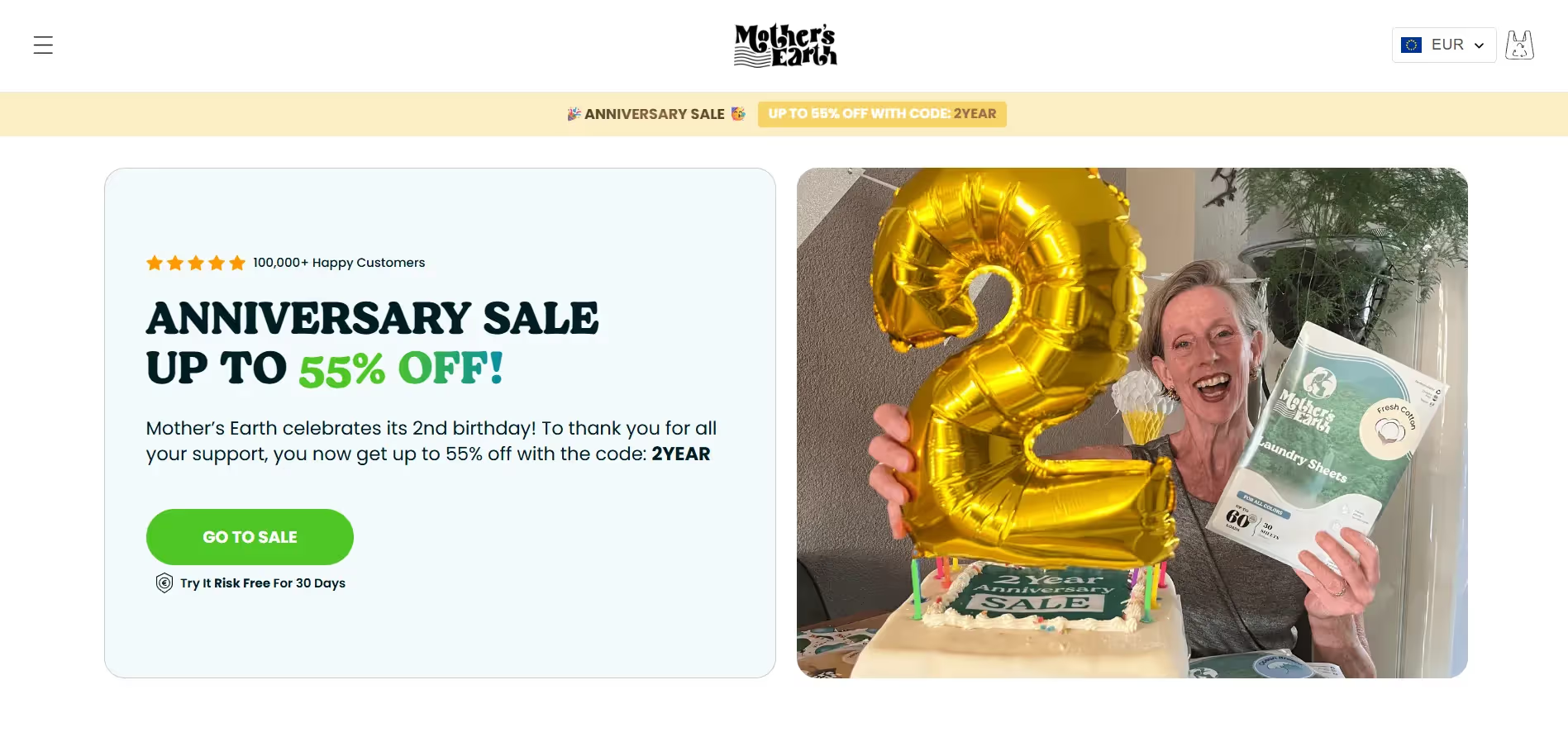
Mother's Earth provides eco-friendly products aimed at promoting sustainable living, from reusable household items to organic personal care.
Top Selling Product
Bamboo Toothbrushes
Country
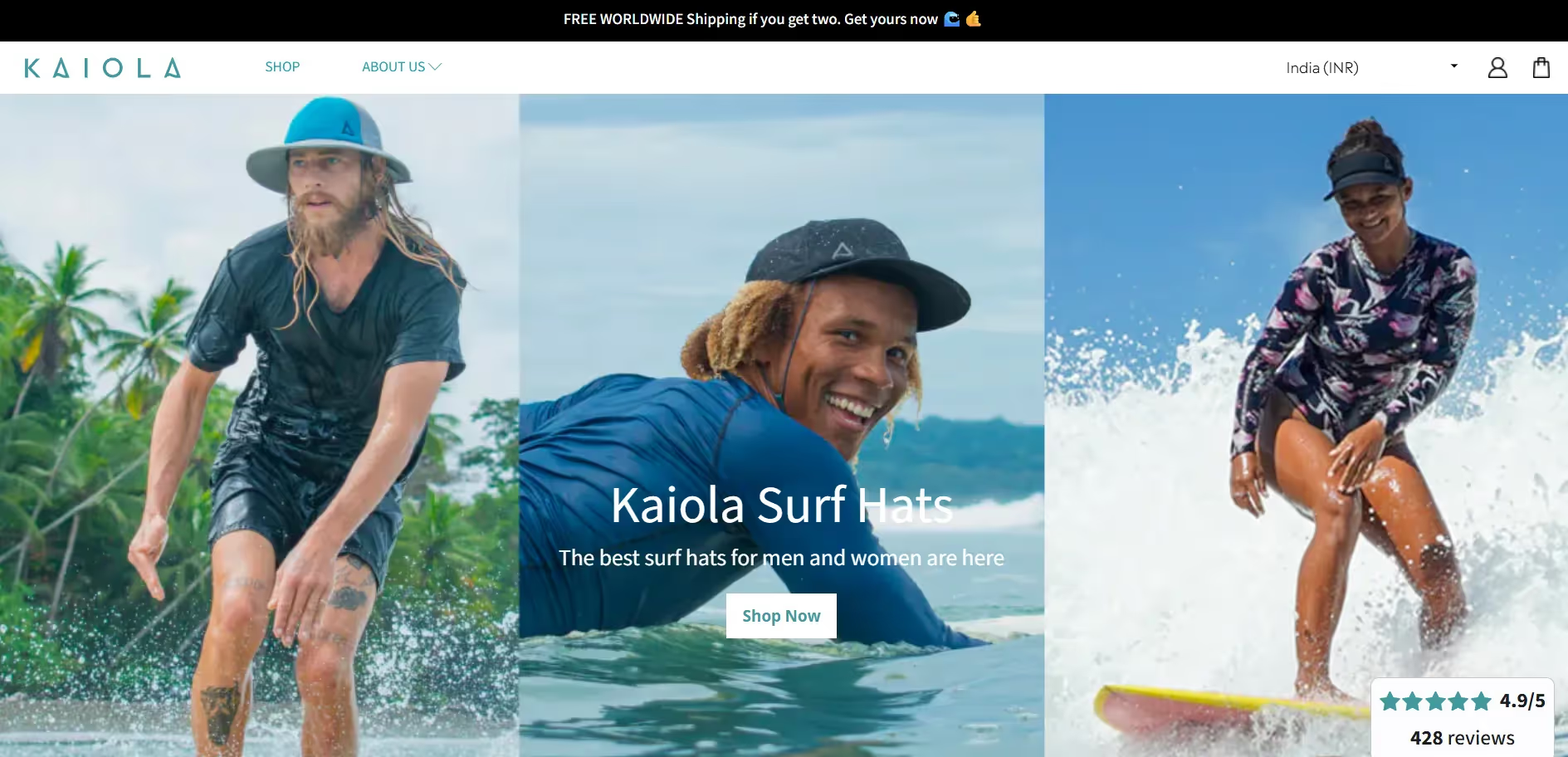
Kaiola designs sustainable swimwear using eco-friendly materials, blending fashion with environmental responsibility to offer stylish and conscious beachwear options.
Top Selling Product
Eco-Friendly Swimwear
Country
The sustainable products ecommerce market is growing from $17.4 billion to a projected $54.2 billion by 2033, at a 15.3% CAGR, one of the fastest growth rates of any product category. Clean beauty within this space is expanding at 15% CAGR. Eco-friendly cleaning product subscriptions grew 27% year over year in 2025. Consumer trust is the defining commercial variable: 73% of global consumers say they would change their consumption habits to reduce environmental impact, but only convert at premium prices when sustainability claims are verified and transparent.
The brands leading this category have turned sustainability verification from a cost centre into a trust-building machine that drives conversion.
• Radical transparency on environmental impact: Allbirds displays the carbon footprint per pair (in CO2 equivalent) directly on every product detail page, next to the price. This single piece of verified data increases conversion among target buyers by 22% because it transforms a vague "eco-friendly" claim into a specific, comparable number.
• Mission and commerce intertwined: Who Gives A Crap donates 50% of profits to sanitation and clean water projects and makes this mission central to every touchpoint, from packaging to post-purchase emails. Buyers feel their purchase has direct, documented impact. Mission-integrated brands in this category see 2.5x higher word-of-mouth referral rates than product-only brands.
• Subscription as sustainability mechanic: Grove Collaborative migrated to Shopify in Q1 2025 and rebuilt their subscription architecture to tie recurring orders to reduced packaging waste metrics. Subscription customers receive monthly reports on their cumulative environmental impact, which lifts retention by reinforcing the buyer's sense of ongoing contribution.
• Certification as conversion signal: Stores displaying B-Corp, GOTS, Fair Trade, or third-party carbon-neutral certifications prominently on PDPs see 18 to 25% higher conversion among eco-conscious buyers compared to stores with self-declared sustainability claims only.
• Zero-waste cleaning and personal care: Refillable cleaning concentrates, shampoo bars, and plastic-free personal care products are growing at 27% YoY. The refill model creates natural subscription mechanics and dramatically reduces packaging cost.
• Sustainable fashion and textiles: Certified organic and recycled fibre clothing searches grew 38% in 2025. Buyers in this segment are deeply engaged and have above-average LTV.
• Eco-friendly baby and kids products: Parents searching for non-toxic, organic baby products are among the highest-intent buyers in the eco-friendly category. AOV is 30 to 40% above category average and repeat purchase rates are exceptional.
• Plant-based and compostable packaging solutions: B2B eco-friendly packaging is growing rapidly as brands respond to consumer and regulatory pressure. This creates a wholesale channel opportunity for packaging-focused eco merchants.
• Greenwashing exposure: Unverified sustainability claims are increasingly challenged by regulators (UK's Green Claims Code, EU Green Deal) and by sceptical consumers who research claims. Brands using vague language ("eco-friendly," "natural," "green") without third-party verification face both conversion risk and regulatory risk.
• Price premium without clear value articulation: Eco-friendly products typically cost 15 to 40% more than conventional alternatives. Stores that do not clearly explain what drives the premium (certified materials, ethical labour, carbon offsets, impact contribution) lose price-sensitive buyers to conventional alternatives.
• Performance claims that do not hold up: Early eco-friendly cleaning products had a reputation for underperformance. Stores that do not proactively address performance equivalence (with reviews, third-party testing, and satisfaction guarantees) leave buyers uncertain about making the switch.
• Ignoring the post-purchase impact loop: Eco-conscious buyers are highly motivated by tangible proof of impact. Stores that do not send personalised impact summaries (trees planted, plastic avoided, CO2 offset) miss the most powerful retention lever available in this category.
• Gross margin: 55 to 75% for branded eco products; slightly lower for certified organic materials
• Average order value: $55 to $90 (household eco products); $80 to $150 (personal care and beauty)
• Return rate: 6 to 12% (lower than comparable conventional categories)
• Repeat purchase rate: 45 to 65% within 12 months (mission alignment drives unusually strong retention)
• Conversion rate: 2.0 to 4.0% for stores with strong certification and impact messaging
Verified environmental impact displayed at the point of purchase is the highest-converting trust signal in eco-friendly ecommerce, outperforming vague "sustainable" claims by a wide margin. EcoCart calculates the carbon footprint of each order and enables stores to offer carbon-neutral shipping as a checkout option, with per-order impact data that brands like Allbirds have used to increase conversion among environmentally motivated buyers by 22%.
Eco-friendly consumables (cleaning concentrates, personal care refills, sustainable household products) have natural subscription economics, and subscription mechanics are the primary retention lever in this category. Recharge Subscriptions powers replenishment programmes for eco DTC brands including Grove Collaborative, enabling monthly delivery schedules that reduce single-use packaging and strengthen the brand's sustainability narrative with each recurring order.
The "make the switch" starter kit is the highest-converting entry point for eco-friendly stores because it removes the barrier of buying into a new system one product at a time. Easy Bundle Builder by Skai Lama enables "starter kit" bundle mechanics that combine reusable containers with initial consumable supplies in a discounted introductory offer, capturing the full first-time buyer commitment rather than a single trial product.
Bulk purchasing reduces per-unit packaging waste and appeals to the eco-conscious buyer's preference for minimising their environmental footprint per order. Kite: Free Gifts and Discounts by Skai Lama powers volume discount tiers (buy 3 concentrate packs, save 20%) and buy-in-bulk promotions that align the commercial incentive with the sustainability message, reinforcing the brand's values through the purchase mechanic itself.
Community validation of eco claims is significantly more trusted than brand statements, and reviews that include specific impact details drive higher conversion than generic positive feedback. Okendo supports review collection with product attribute fields for sustainability criteria (packaging, ingredient sourcing, performance comparison to conventional alternatives), giving prospective buyers verified social proof on the claims that matter most in this category.
Eco-friendly ecommerce is one of the few categories where the commercial opportunity and the ethical mission genuinely reinforce each other. Buyers in this space are highly engaged, have above-average LTV, and actively recruit their networks through word of mouth when they trust a brand. The operators building durable businesses here are investing in verification (not just claims), impact transparency (not just marketing), and subscription mechanics that make sustainable purchasing habitual rather than aspirational. The regulatory environment is tightening globally around unverified eco claims, which will consolidate the market toward brands with genuine, documented sustainability infrastructure.

A truly eco-friendly Shopify store goes beyond offering green products—it incorporates sustainability into every aspect of its operations. This includes using biodegradable or recyclable packaging, carbon-neutral shipping, ethical labor sourcing, and plastic-free alternatives. These brands often educate their audience through blogs and product pages. Skailama supports these efforts by automating eco FAQs, displaying badges, and showcasing sustainability initiatives via interactive widgets.
Products include zero-waste household items, reusable personal care tools, organic skincare, compostable kitchenware, sustainable fashion, and eco-friendly tech accessories. These stores appeal to conscious consumers looking to minimize their environmental footprint. Many use Skailama to promote bundle deals or subscription plans that encourage recurring eco-conscious purchases.
Yes, top eco-friendly Shopify stores often feature certifications such as FSC, USDA Organic, Fair Trade, and GOTS. These labels are usually highlighted on product pages. Skailama helps brands surface this information in FAQs and filters, improving both SEO and buyer confidence.
Many of these stores offer convenient subscription services for things like biodegradable cleaning refills, bamboo toothbrushes, or organic skincare. With Skailama’s subscription management tools, customers can modify, pause, or cancel subscriptions easily through self-serve dashboards—encouraging long-term loyalty.