

Our Apps Have Driven
5X AOV | 2X Conversions | $30M+ Additional Revenue
5X AOV | 2X Conversions | $30M+ Additional Revenue
.svg)


5.0 (3000+ Reviews)


Shopify Apps





.svg)

Tailor your search to find the perfect Shopify store.
Categories
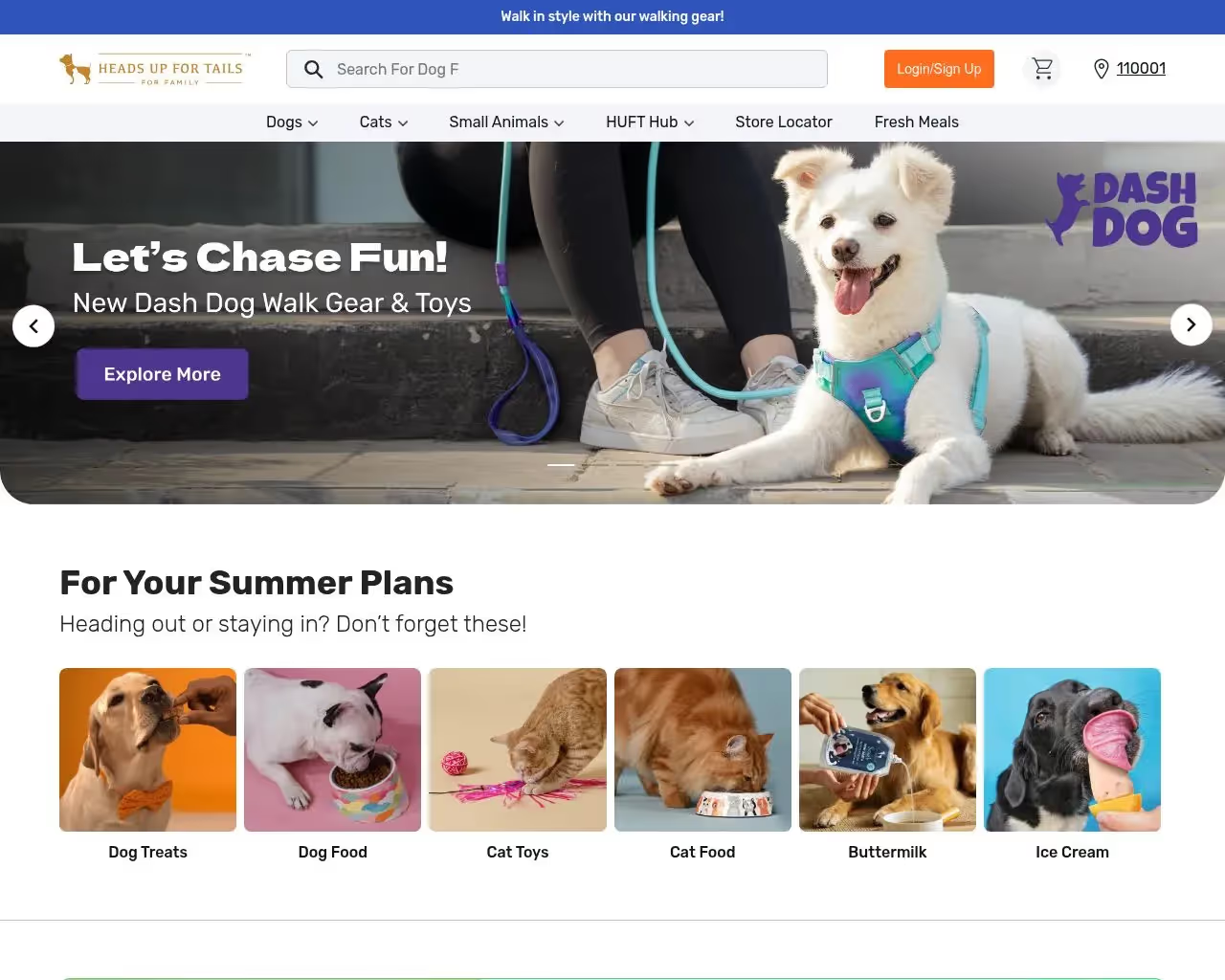
Heads Up For Tails is a premium pet care brand offering a curated selection of pet food, grooming products, apparel, toys, and accessories, with a strong emphasis on pet well-being and quality.
Top Selling Product
Pet food and accessories
Country
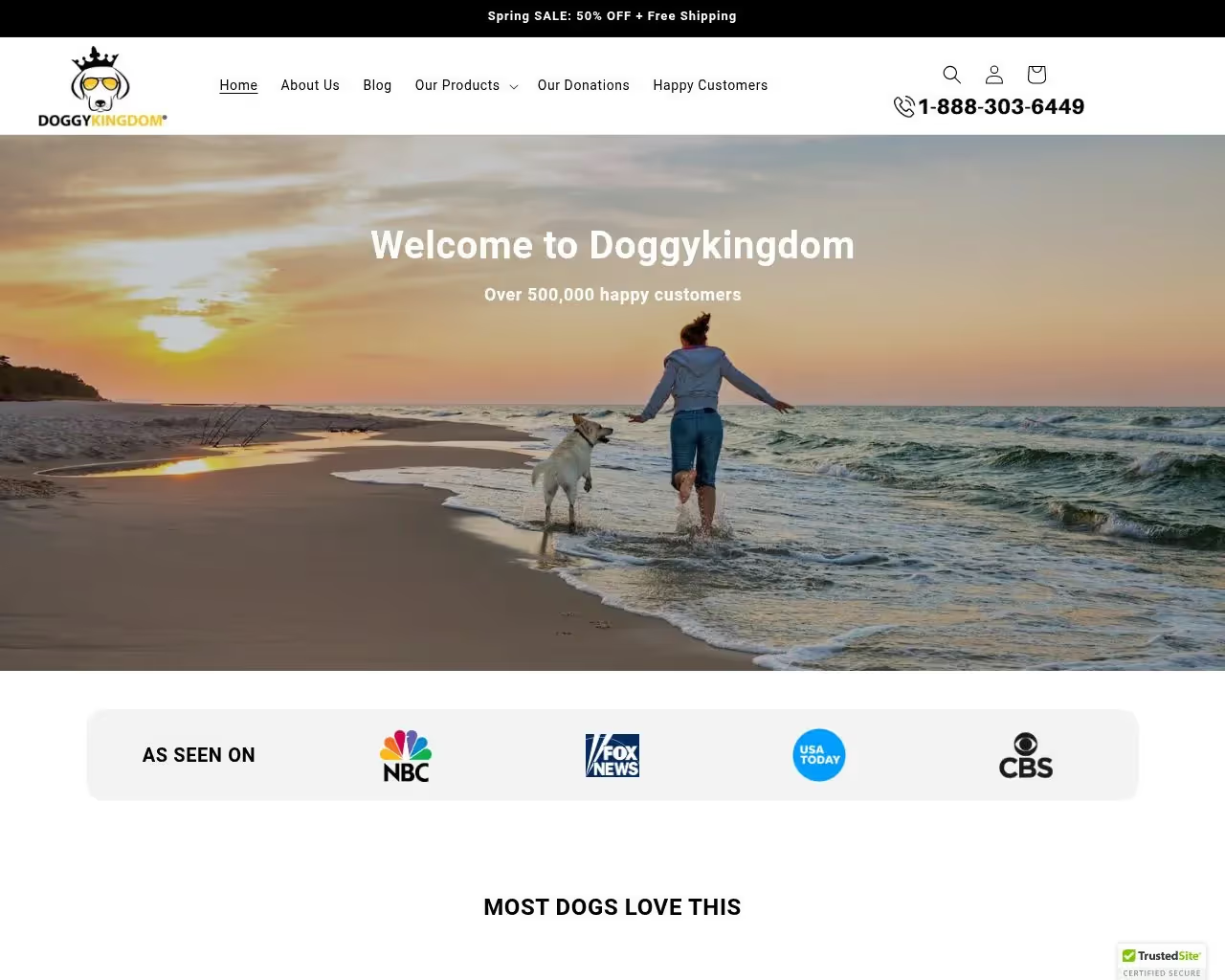
Offers innovative pet products for dog lovers.
Top Selling Product
Dog harnesses
Country
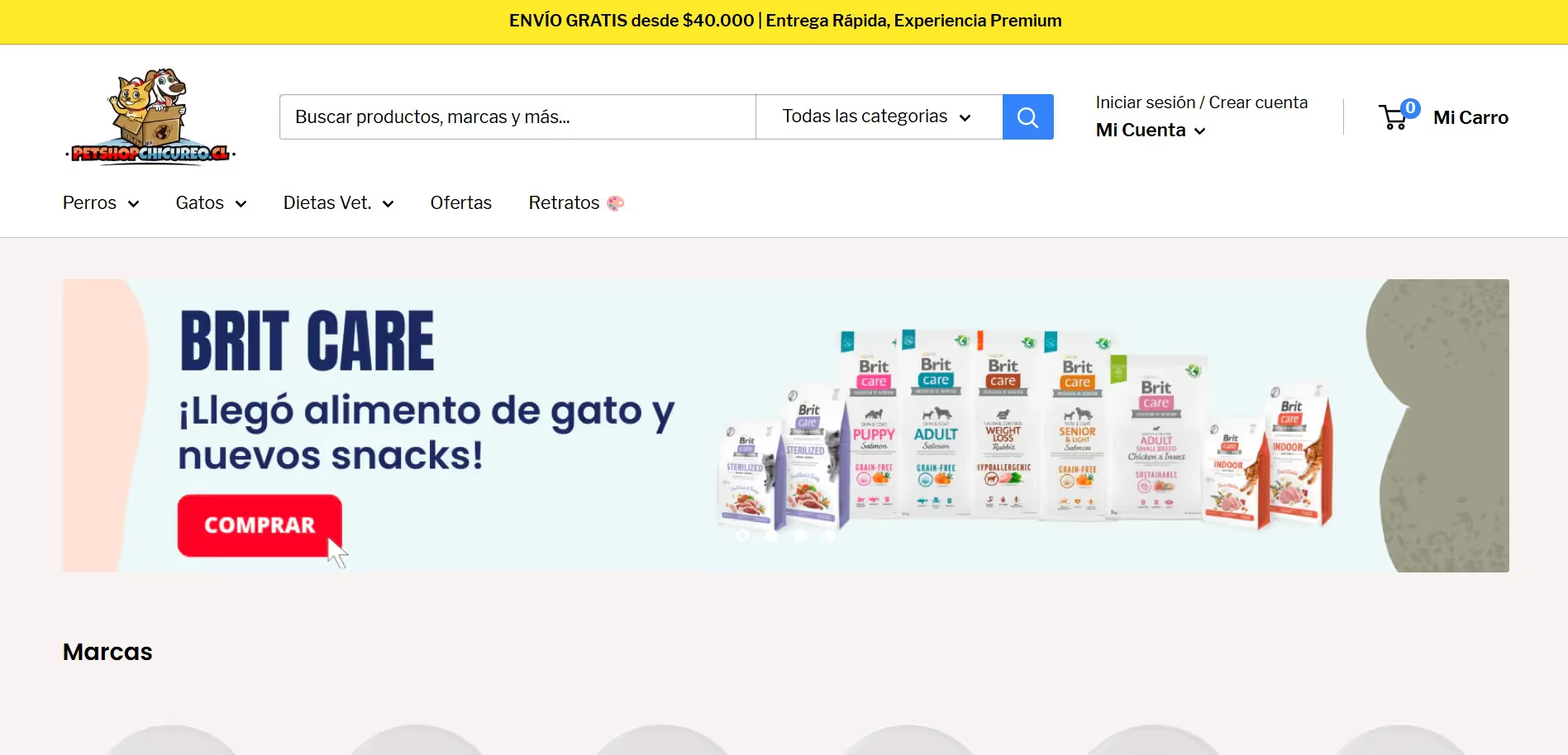
Provides a range of pet products and accessories, catering to pet owners' needs.
Top Selling Product
Pet supplies
Country
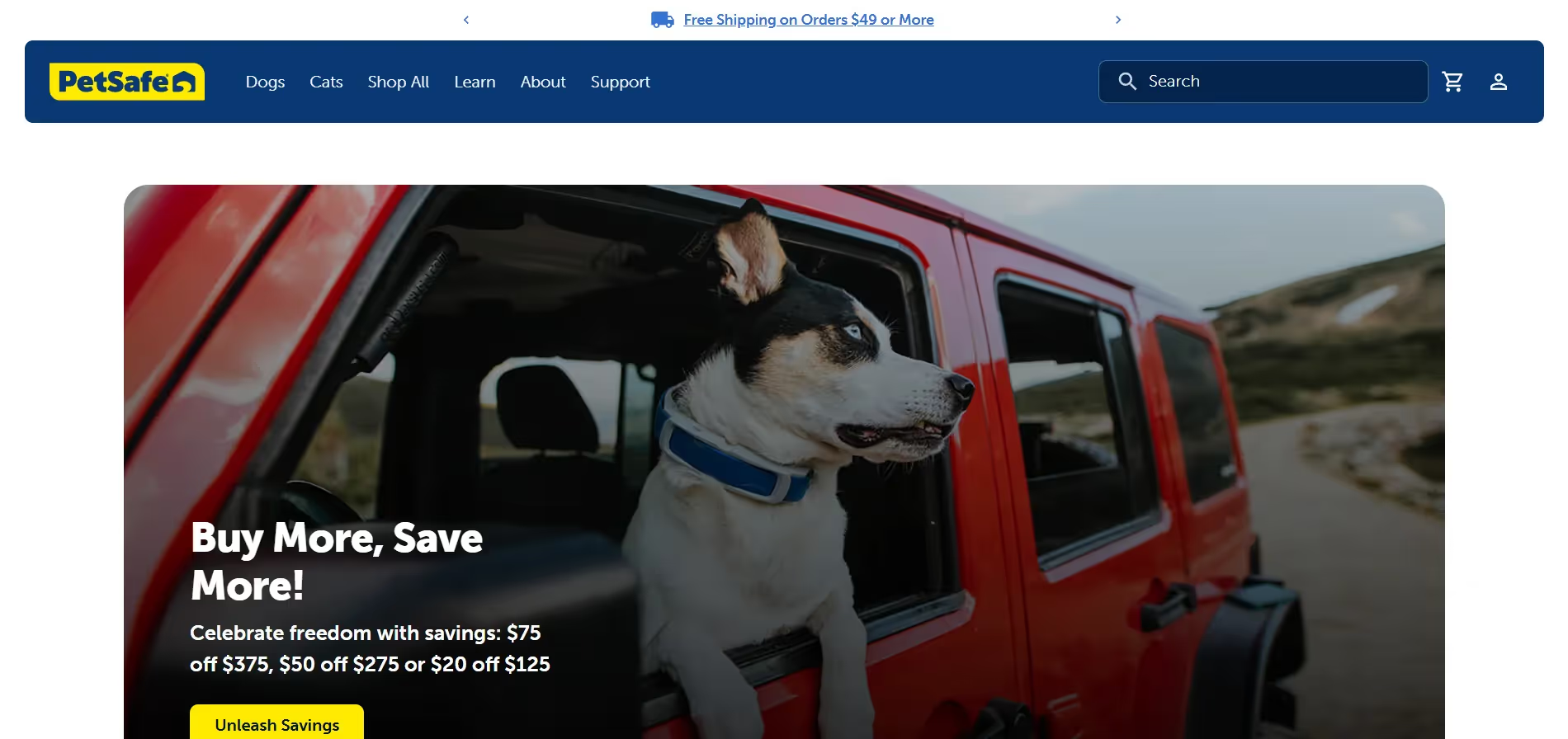
PetSafe offers a range of pet products designed to improve the lives of pets and their owners, including training, containment, and lifestyle solutions.
Top Selling Product
Wireless Pet Fences
Country
The online pet market stands at $34.6 billion and is on track to reach $60.2 billion by 2030 at an 11.7 percent CAGR, making it one of the most resilient categories in ecommerce. Pet spending is recession-resistant in ways that most consumer categories are not: owners consistently prioritise their animals' food and health even when cutting discretionary spend elsewhere. Average order values range from $68 to $100, but the real metric that defines this category is subscription retention. Chewy's Autoship programme accounts for 78 percent of their sales, and the top DTC pet brands report food subscription retention rates of 75 to 85 percent, the highest recurring revenue retention in ecommerce. Pet supplements are growing at 7.42 percent CAGR, and fresh and raw pet food is the fastest-growing sub-segment at 21 percent CAGR.
• Ollie built its business on breed-specific fresh meal plans, using a detailed intake quiz (breed, weight, age, activity level, health conditions) to create personalised feeding recommendations. After migrating to Shopify, the brand has scaled past $200 million in revenue, with subscription as the primary revenue model from day one.
• The Farmer's Dog achieves 94 percent subscription retention by combining quiz-based personalisation with genuinely superior product quality. The intake quiz is not just a conversion tool: it generates the data needed to fulfil personalised portions, which increases perceived value and makes cancellation feel like a step backward for the pet's health.
• Chewy built the category around Autoship, a subscription mechanic so effective that it now accounts for over 78 percent of their sales across 20 million-plus active customers. The lesson for DTC brands is that pet food and treats have near-perfect subscription economics: predictable consumption rate, high switching cost, and emotionally motivated repeat purchase.
• Fresh and raw pet food is growing at 21 percent CAGR and remains significantly underpenetrated relative to the conventional pet food market. The premium price point and subscription model create strong unit economics for DTC operators.
• Pet supplements and wellness products (joint support, probiotics, calming supplements, skin and coat formulas) are growing at 7.42 percent CAGR with margins significantly higher than food.
• Pet CBD and functional treats are a high-growth, high-margin sub-segment with strong repeat purchase dynamics and limited quality competitors in the premium DTC tier.
• Breed-specific products (training tools, accessories, food formulas designed for specific breeds) perform 3x better in content engagement than generic pet content, reflecting how strongly owners identify with their specific pet.
• Sustainable and eco-friendly pet products are gaining share with millennial and Gen Z pet owners who extend their values to their animals' consumption.
• Commoditisation of accessories is the most dangerous trap. Competing on standard leashes, bowls, and generic kibble bags against Amazon and PetSmart is a margin-destroying position for DTC brands. The defensible opportunity is in premium, personalised, or subscription-based consumables.
• Ignoring the subscription opportunity on consumables is leaving the most valuable revenue model in the category untouched. Pet food, treats, supplements, and even waste bags have natural subscription economics, but most DTC pet stores don't build the subscription infrastructure to capture it.
• No breed or species personalisation underperforms. Pet owners identify strongly with their specific breed, and generic content and product recommendations convert at a fraction of the rate of breed-targeted experiences. Stores that segment by animal type and breed see significantly higher engagement and conversion.
• Underestimating delivery expectations damages retention. Pet food buyers have been trained by Amazon and Chewy to expect fast, reliable delivery. A 3-to-5 day standard shipping window is now the baseline; anything longer creates churn risk on the subscription.
• Gross margin: 40 to 65 percent (food at the lower end; accessories and supplements at the higher end)
• AOV: $68 to $100 on average; higher for subscription bundles with multiple product types
• Return rate: 5 to 10 percent (low, as pet consumables are rarely returned)
• Subscription retention: 75 to 85 percent for food subscriptions (highest in ecommerce)
• Repeat purchase rate: 65 to 80 percent within 90 days for food-adjacent stores
Breed and species-specific personalisation is one of the most powerful conversion mechanics in pet products because owners identify strongly with their specific animal, and generic recommendations convert at a fraction of the rate of breed-targeted experiences. Octane AI powers breed-specific feeding recommendation quizzes and "find the right product for your pet" discovery flows used by DTC pet brands including Ollie and The Farmer's Dog, asking about breed, weight, age, activity level, and health conditions to produce a personalised product recommendation that feels tailored rather than algorithmic.
Pet food and treat subscriptions have the highest retention rates in ecommerce (75 to 85% annually for food), and subscription mechanics are the primary driver of LTV in the category. Recharge Subscriptions is the most widely used subscription platform in pet DTC, powering Autoship-style programmes with flexible delivery scheduling, breed-specific portion size management, and subscriber retention tools that reduce cancellations driven by lifestyle changes rather than product dissatisfaction.
New pet owners are one of the highest-value acquisition moments in the category, purchasing across food, accessories, grooming, and health in a single session, and stores that serve this intent with a curated starter kit capture significantly more first-order revenue than those relying on individual product navigation. Easy Bundle Builder by Skai Lama enables "new puppy starter kit" and "new kitten welcome bundle" mechanics that combine food, toys, grooming tools, and health accessories at a discounted bundle price, converting the high-intent new pet owner into a broad-basket first purchase.
Free gift and sample mechanics are highly effective in pet products for driving trial of supplements, treats, and specialist food within the range, particularly for buyers who are cautious about introducing new products to a pet. Kite: Free Gifts and Discounts by Skai Lama automates free treat sample inclusions above a spend threshold, BOGO promotions on trial-size supplements, and tiered spend discounts that introduce buyers to new SKUs without the perceived risk of committing to a full-size product.
Pet owners are among the most community-oriented buyer groups in ecommerce, and they actively seek reviews from owners of the same breed, age group, and dietary need before committing to a supplement, food, or health product. Okendo supports review collection with breed, pet age, and health condition attribute fields, enabling buyers to filter social proof by owners with animals that match their own, which measurably reduces hesitation on higher-priced supplements and specialist food products where the stakes of a wrong choice feel high.
Pet commerce is one of the clearest paths to a high-LTV subscription business in ecommerce. The consumer motivation is unusually strong (owners spend on their pets even under financial pressure), the subscription economics are the best in the category, and the personalisation opportunity is largely untapped outside the top DTC brands. Operators who build a quiz-based intake flow, default to subscription as the primary offer on consumables, and invest in breed-specific content and personalisation are positioned to build compounding retention curves that commodity pet stores cannot replicate.

The best Shopify pet stores feature a wide range of products for dogs, cats, and other household animals. This includes nutritious pet food, grooming supplies, toys, pet apparel, collars and leashes, orthopedic beds, and even tech-enabled products like GPS trackers or automatic feeders. Many of these stores specialize by breed, pet size, or lifestyle (e.g., urban pets or seniors). Skailama helps these stores personalize the experience with breed-specific FAQ flows, nutrition guidelines, and automated sizing help for collars and clothing.
Many reputable Shopify pet brands work closely with veterinarians or pet nutritionists to ensure the safety and efficacy of their products. Certifications, ingredients, and sourcing information are clearly listed. Stores using Skailama can enhance transparency by dynamically displaying FAQs related to safety, allergens, and ethical sourcing—building trust and improving SEO.
Yes. Recurring delivery options for essentials like kibble, litter, supplements, or hygiene products are a major convenience for pet owners. Skailama optimizes subscription management by automating FAQs for scheduling, pausing, or modifying recurring orders—reducing churn and increasing loyalty.
Absolutely. Many pet stores offer personalization on ID tags, beds, bowls, and clothing, along with curated products for specific breeds or health needs. Skailama enhances this process by supporting dynamic personalization FAQs and allowing shoppers to filter by breed, age, or product use-case.