

Our Apps Have Driven
5X AOV | 2X Conversions | $30M+ Additional Revenue
5X AOV | 2X Conversions | $30M+ Additional Revenue
.svg)


5.0 (3000+ Reviews)


Shopify Apps





.svg)

Tailor your search to find the perfect Shopify store.
Categories
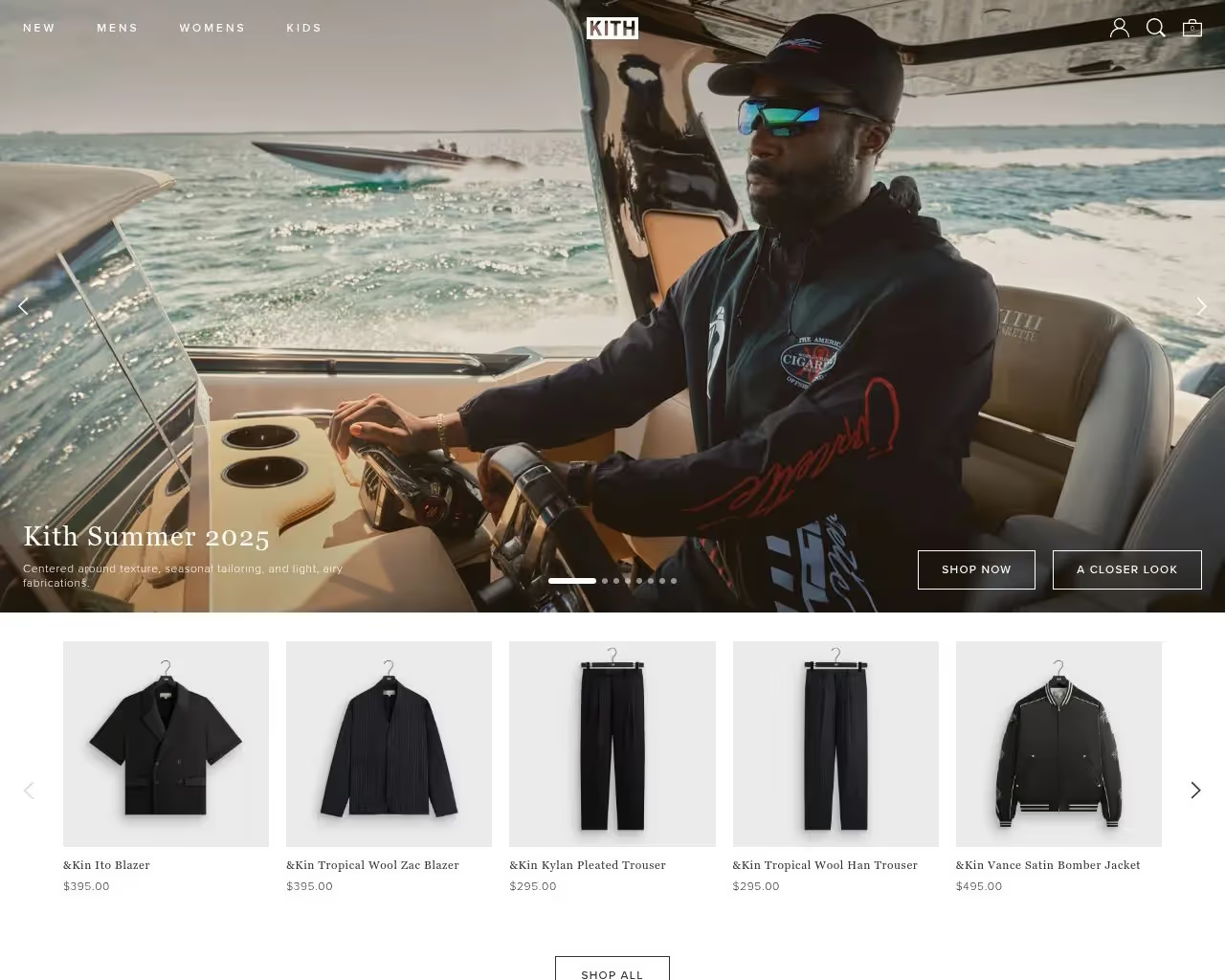
Streetwear brand that collaborates with various designers and labels. Kith is known for its limited releases and high-quality apparel.
Top Selling Product
Collaborative Sneaker Releases
Country
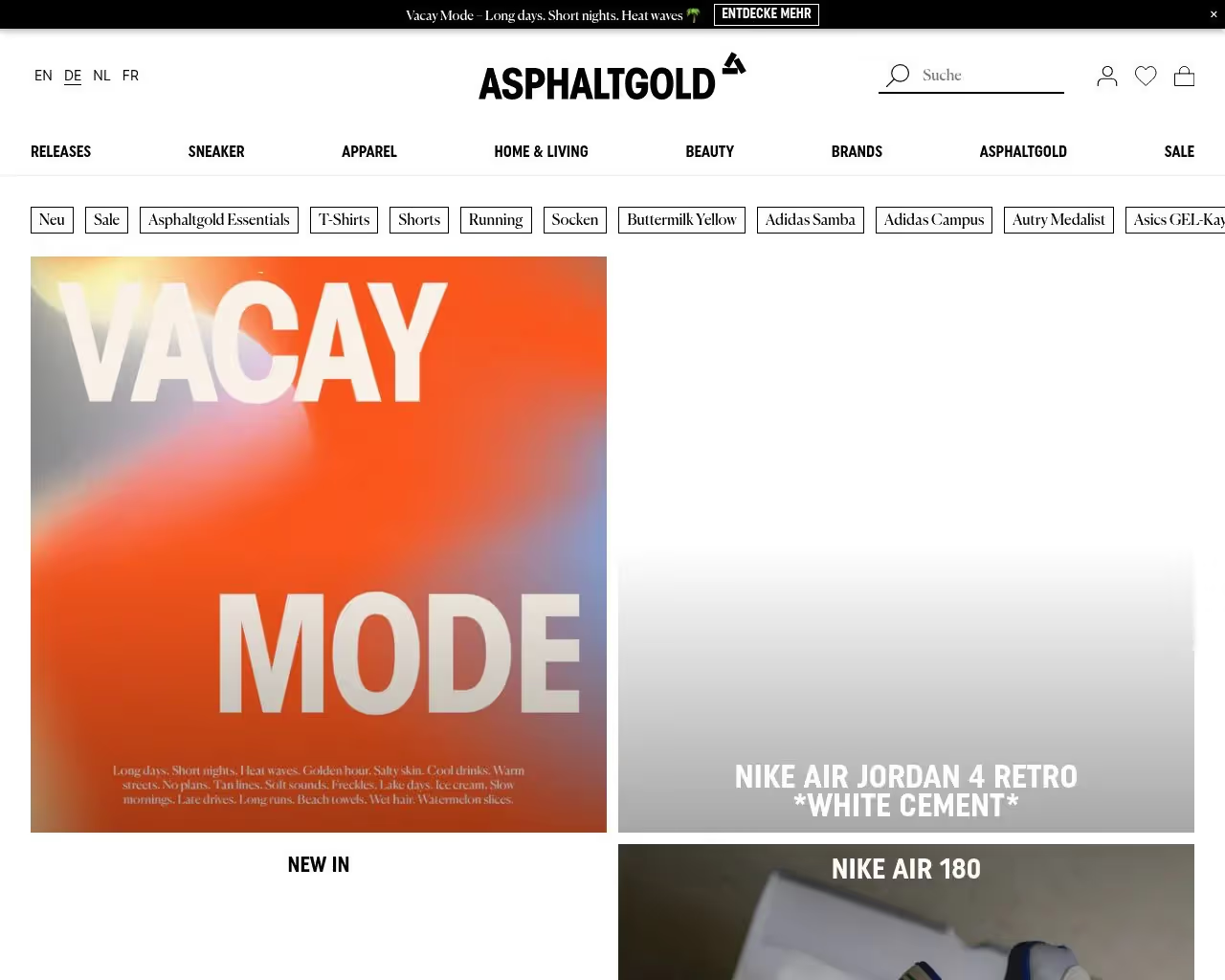
Asphaltgold is a sneaker boutique known for curating the latest and most exclusive footwear drops. Their Shopify store integrates launch calendars, collector features, and fashion editorials focused on sneaker culture.
Top Selling Product
Limited-edition sneakers
Country
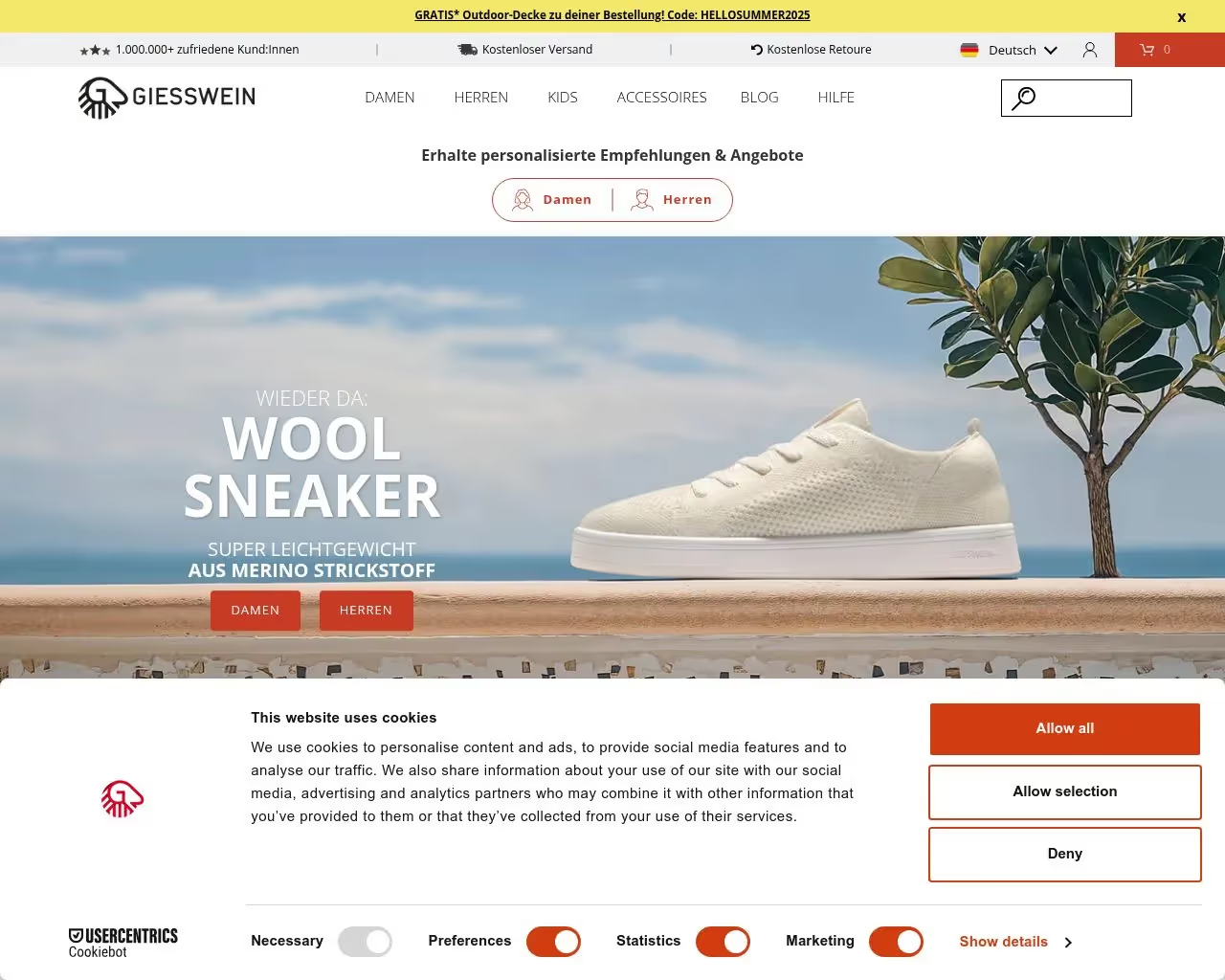
Specializes in sustainable wool footwear and apparel.
Top Selling Product
Wool sneakers
Country
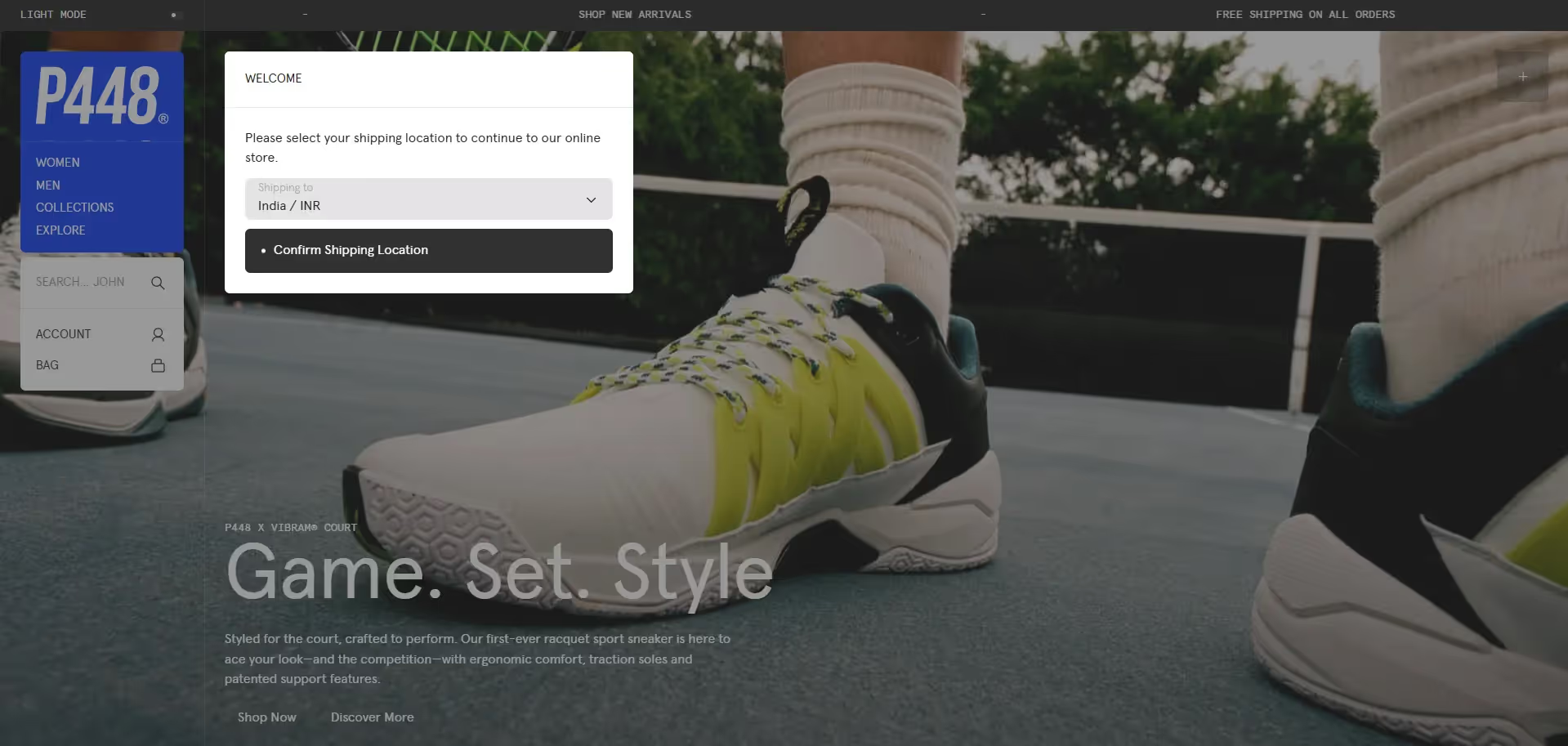
Offers contemporary sneakers blending Italian craftsmanship with modern design.
Top Selling Product
Sneakers
Country
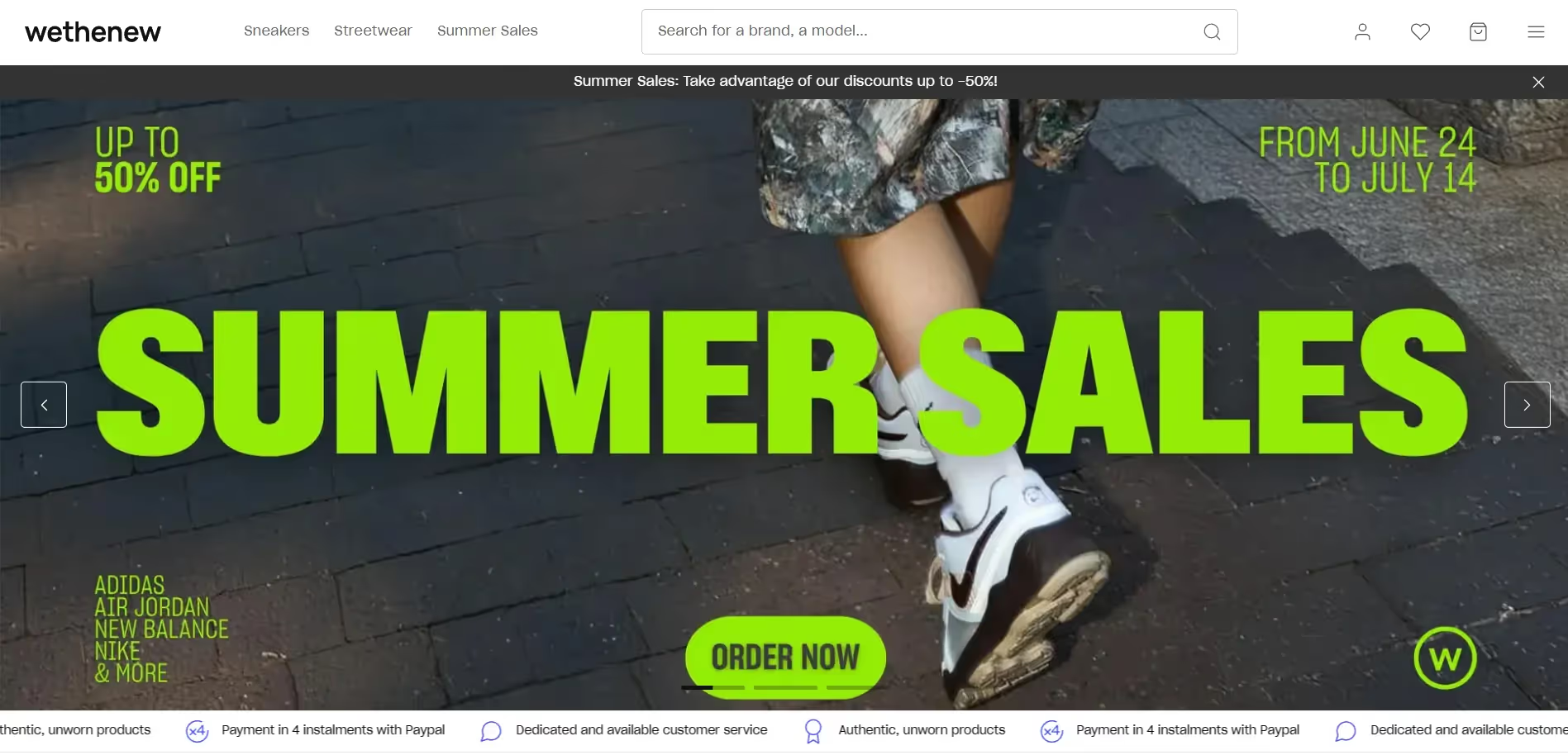
Specializes in authentic, limited-edition sneakers and streetwear.
Top Selling Product
Limited-edition sneakers
Country
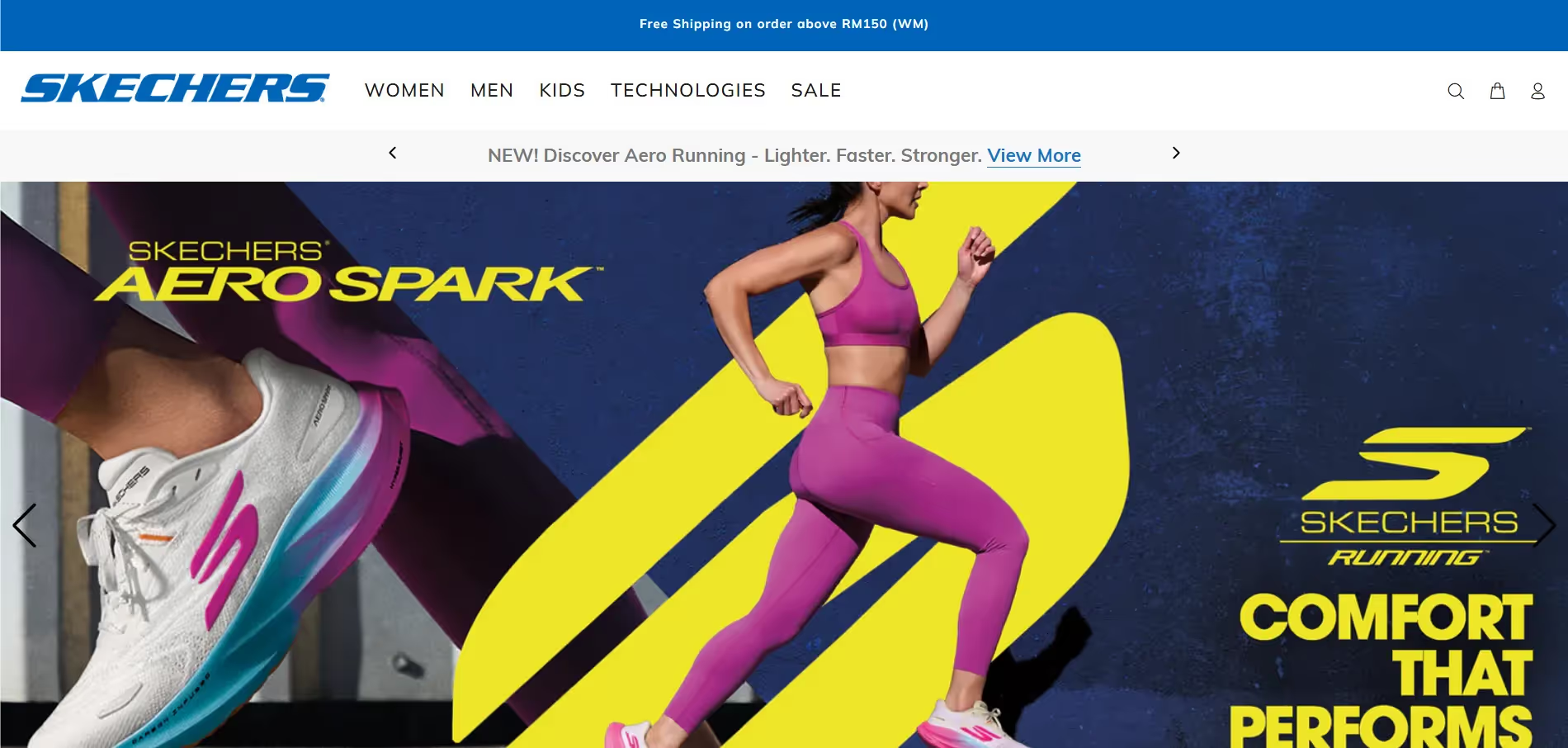
Official store for Skechers footwear and apparel in Malaysia.
Top Selling Product
Skechers footwear
Country
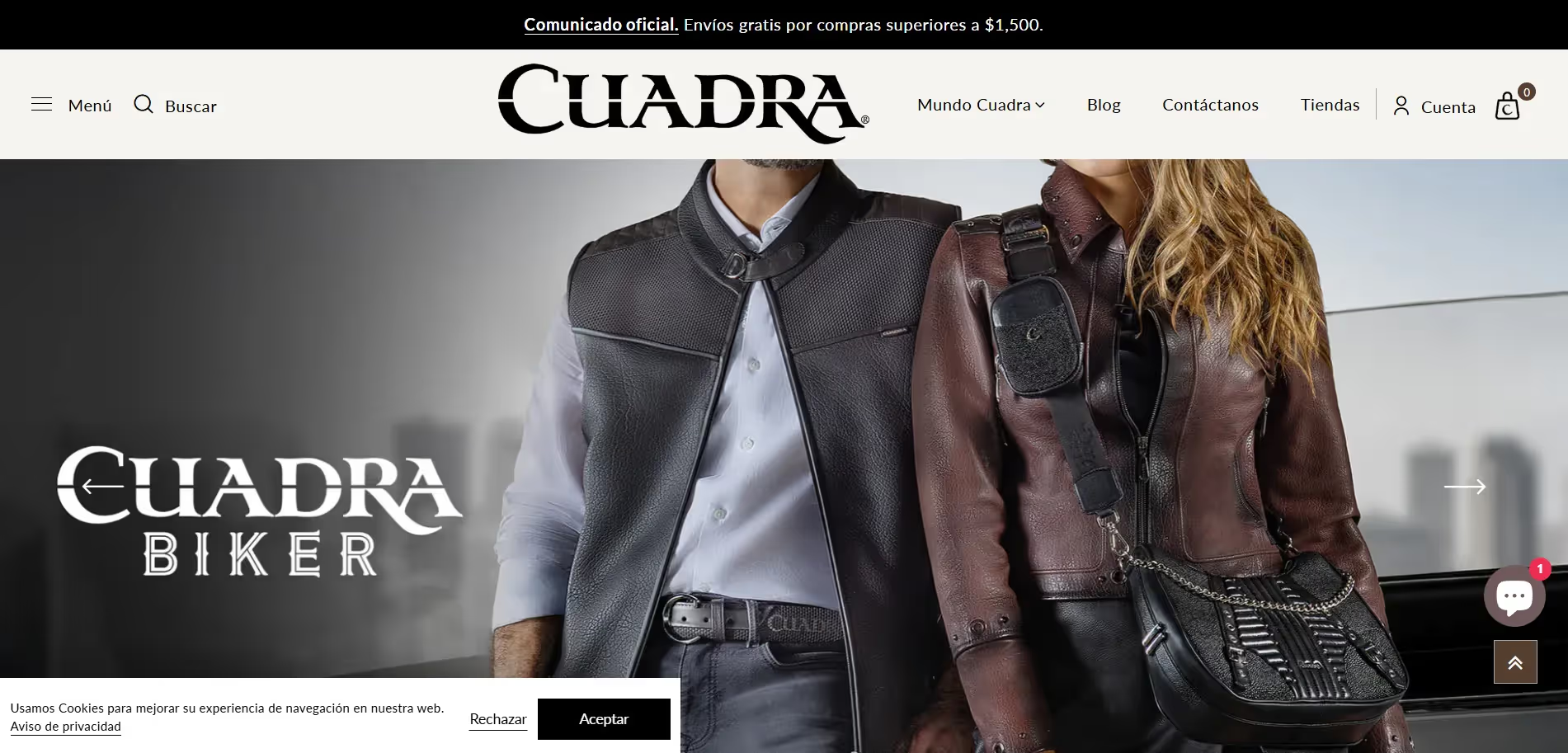
Offers luxury leather goods, including boots, belts, and jackets, crafted in Mexico.
Top Selling Product
Leather boots
Country
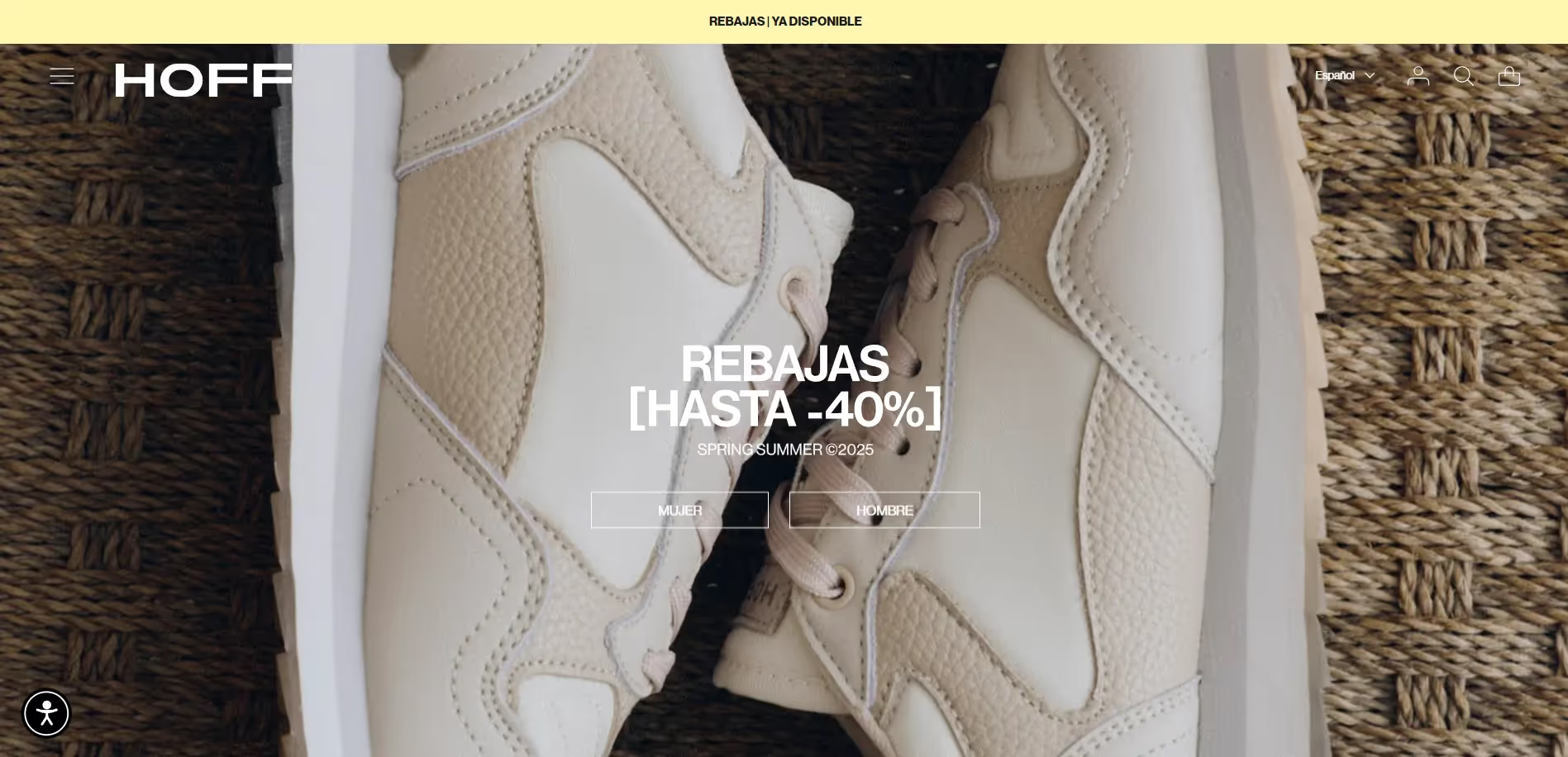
A footwear brand blending fashion and comfort with unique designs.
Top Selling Product
Designer sneakers
Country
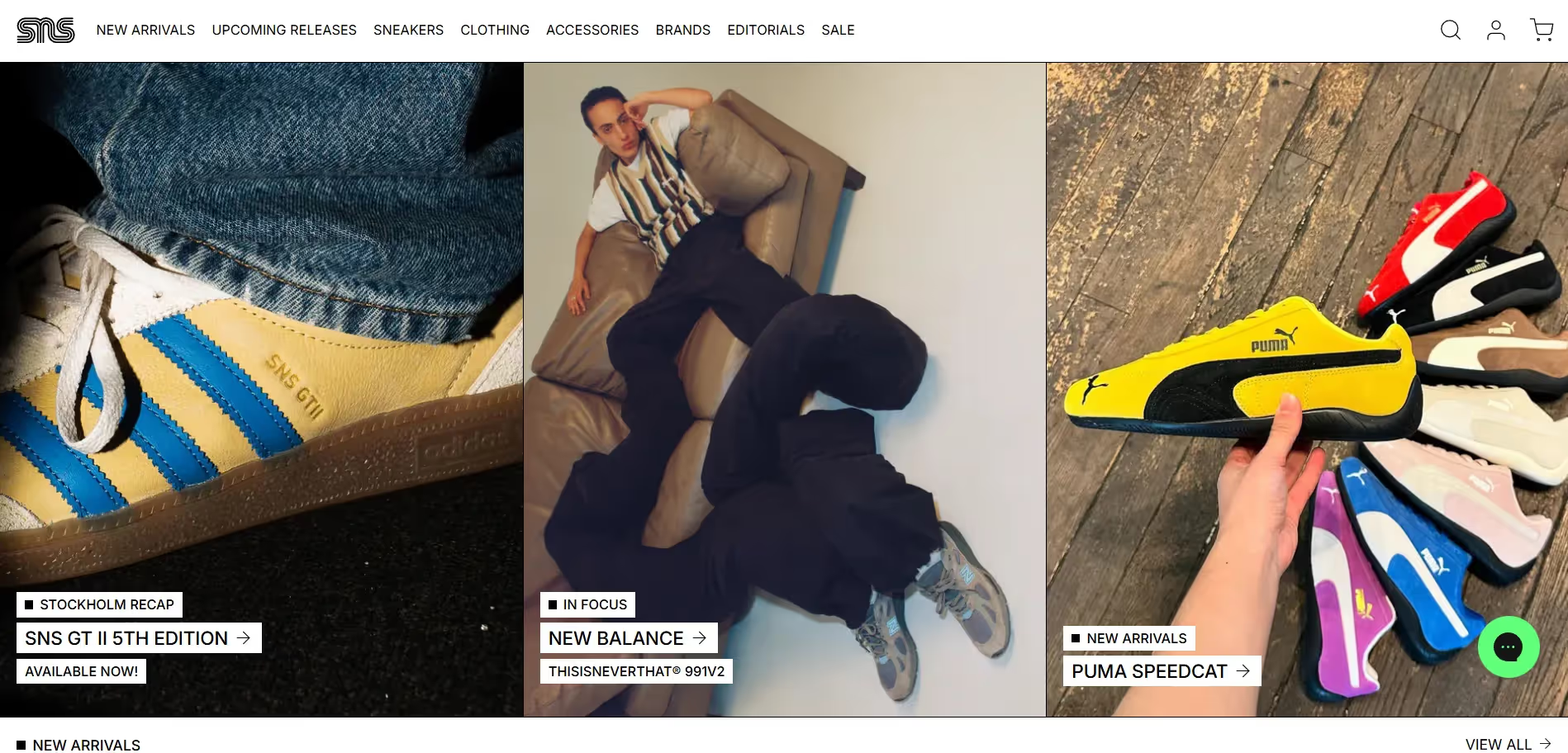
A global retailer for exclusive sneakers and streetwear.
Top Selling Product
Limited-edition sneakers
Country
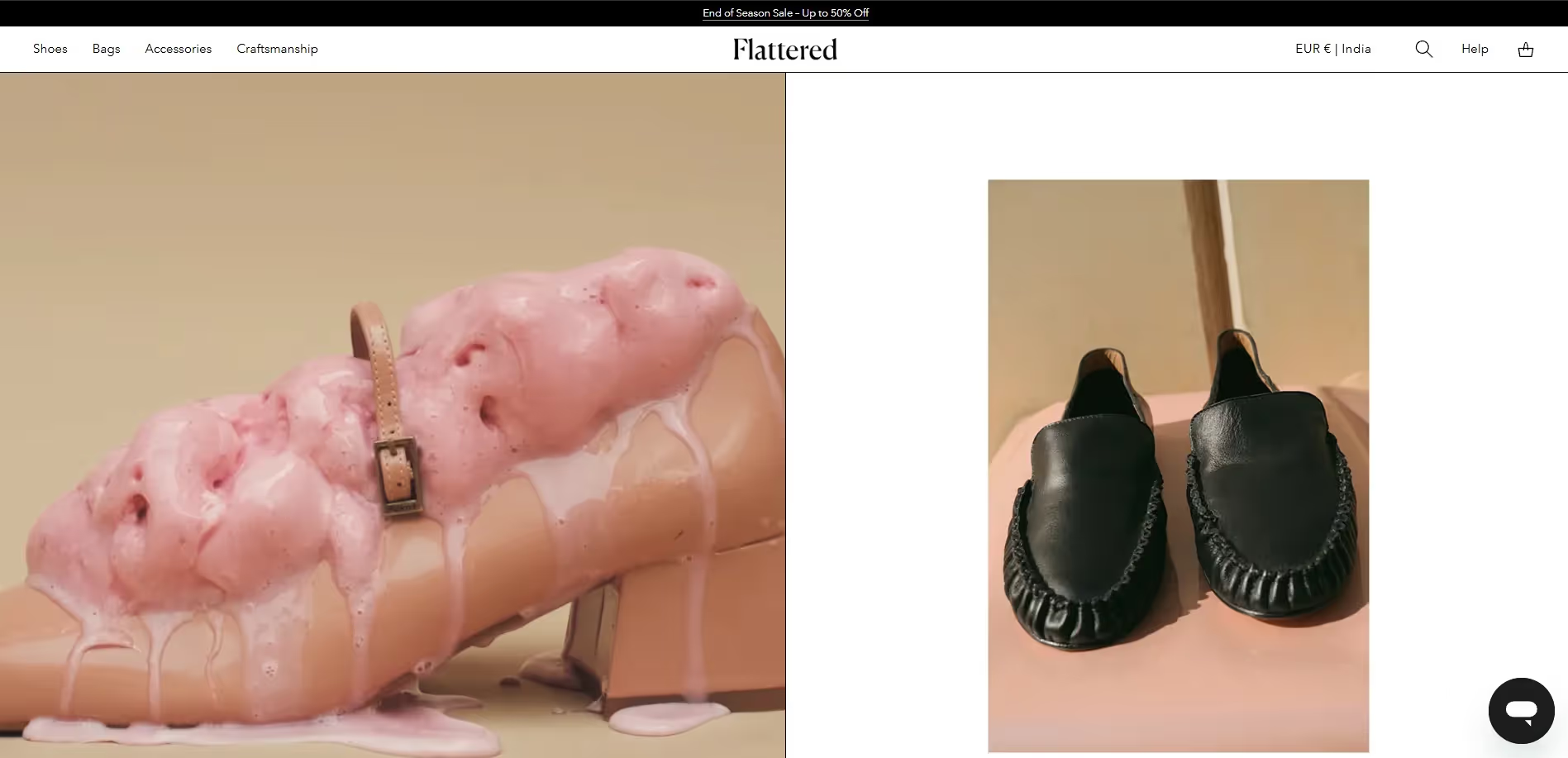
Provides handcrafted footwear and accessories, blending Scandinavian design with comfort.
Top Selling Product
Handcrafted shoes
Country
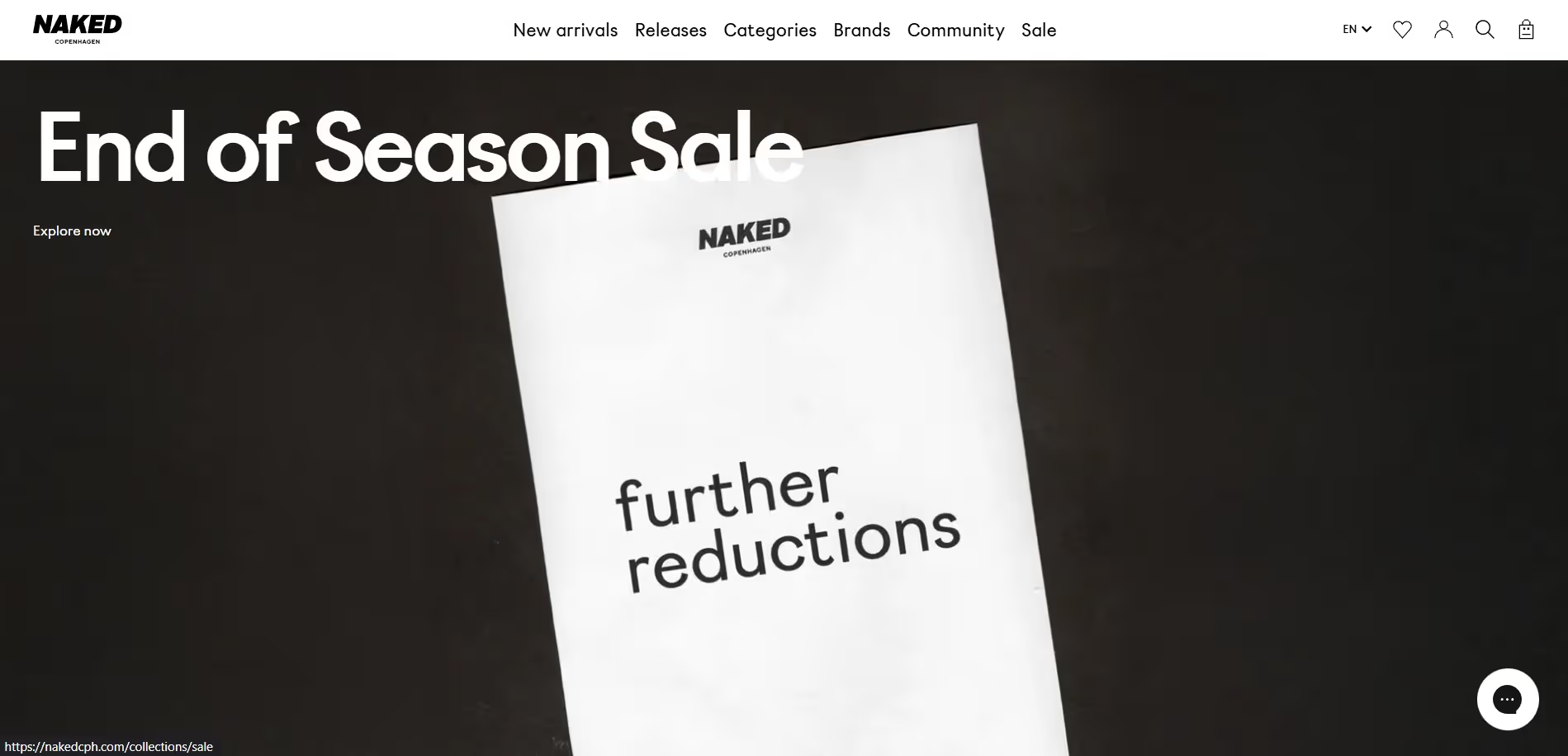
Naked Copenhagen is a sneaker and streetwear boutique catering to women.
Top Selling Product
Women's sneakers
Country
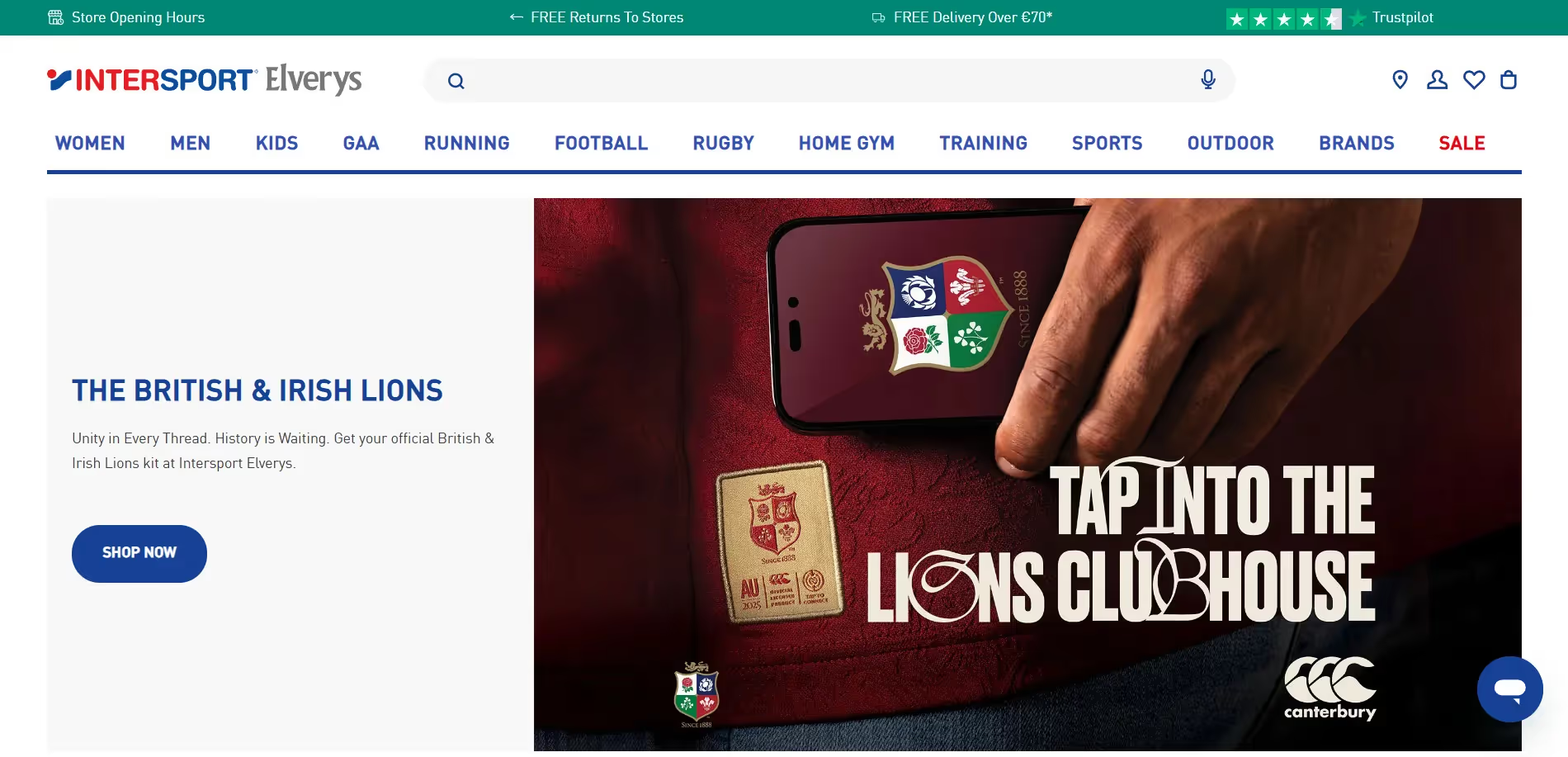
Elverys is a leading sports retailer in Ireland, offering a wide range of sportswear, footwear, and equipment for various athletic pursuits.
Top Selling Product
Running Shoes
Country
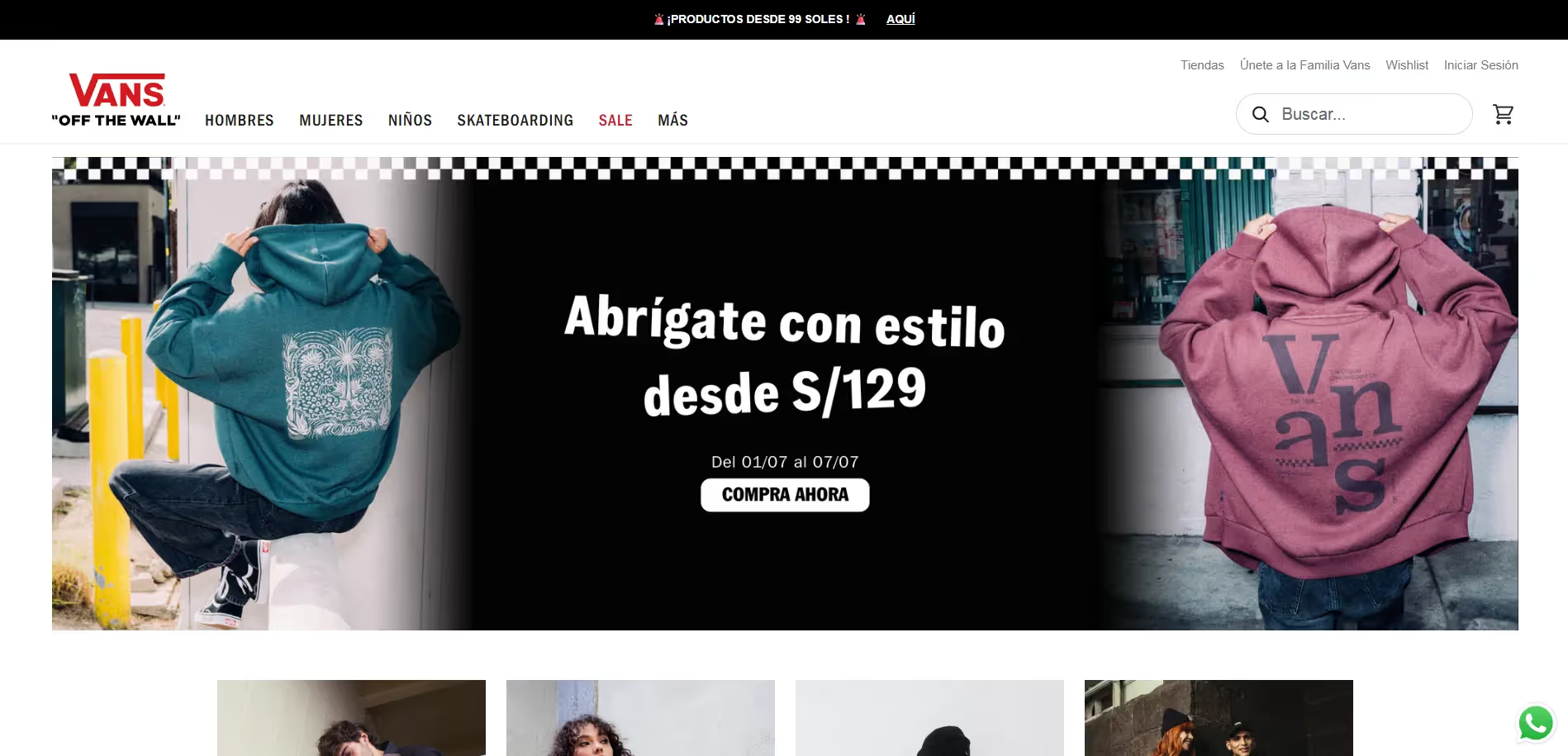
Vans Perú Oficial offers the iconic Vans footwear and apparel, catering to the skateboarding community and fashion enthusiasts with its classic and contemporary designs.
Top Selling Product
Old Skool Sneakers
Country
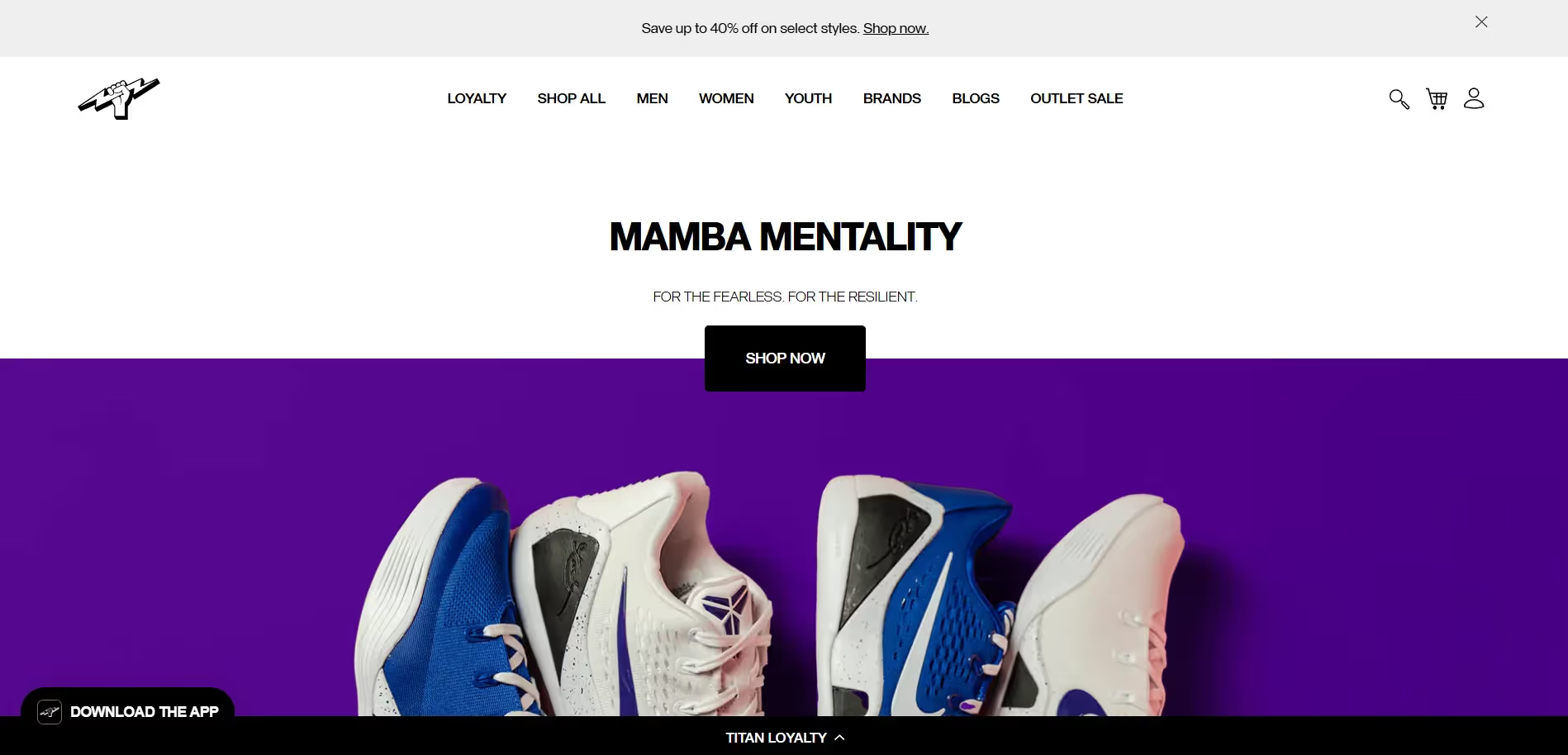
Titan 22 is a premier basketball specialty concept store in the Philippines, offering a curated selection of sneakers, apparel, and accessories for basketball enthusiasts.
Top Selling Product
Air Jordan Retro Releases
Country
.avif)
Skechers Thailand offers a diverse range of comfortable and stylish footwear suitable for various lifestyles and age groups.
Top Selling Product
Skechers D'Lites Sneakers
Country
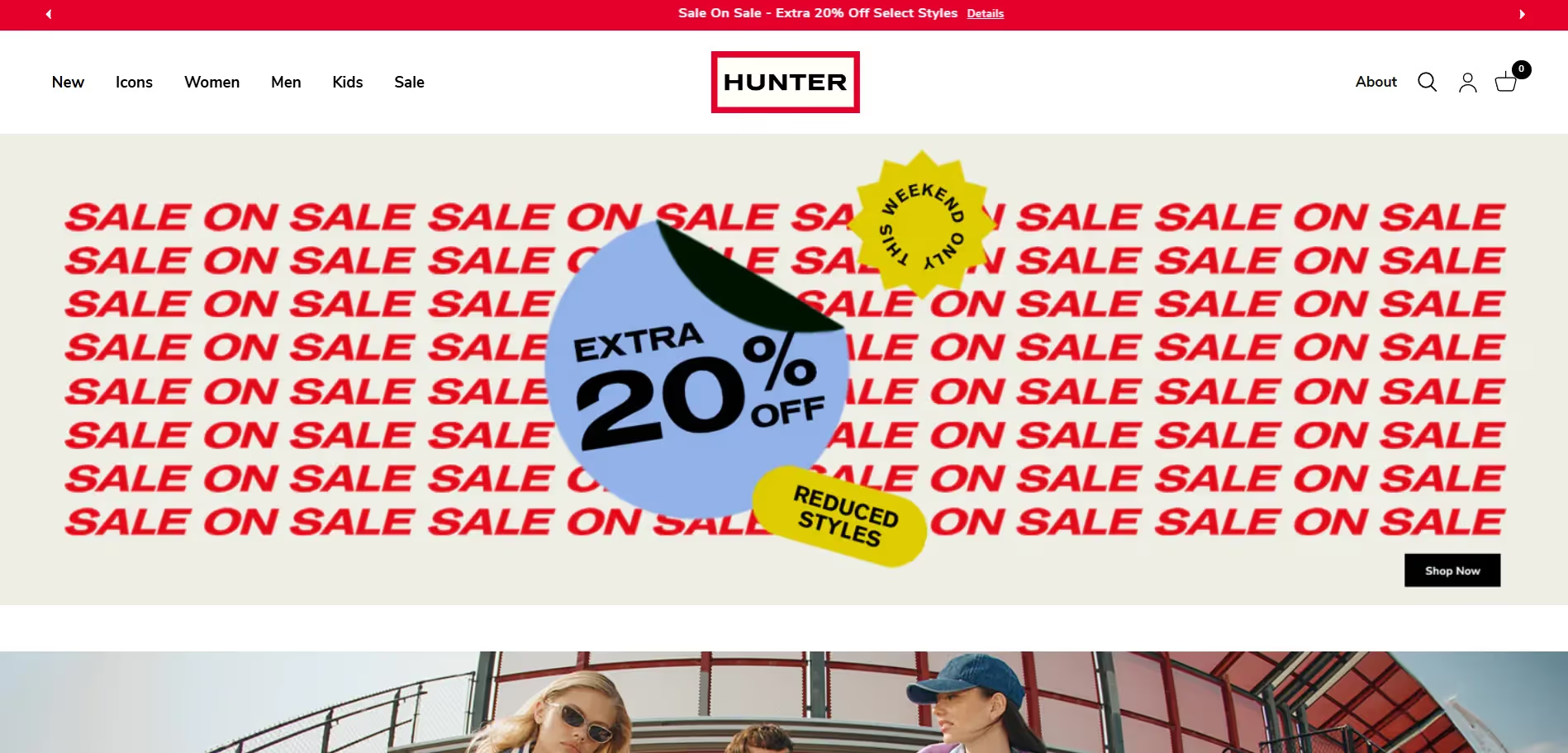
Established in 1856, Hunter is a British heritage brand known for its iconic Wellington boots and outdoor apparel.
Top Selling Product
Original Tall Boots
Country
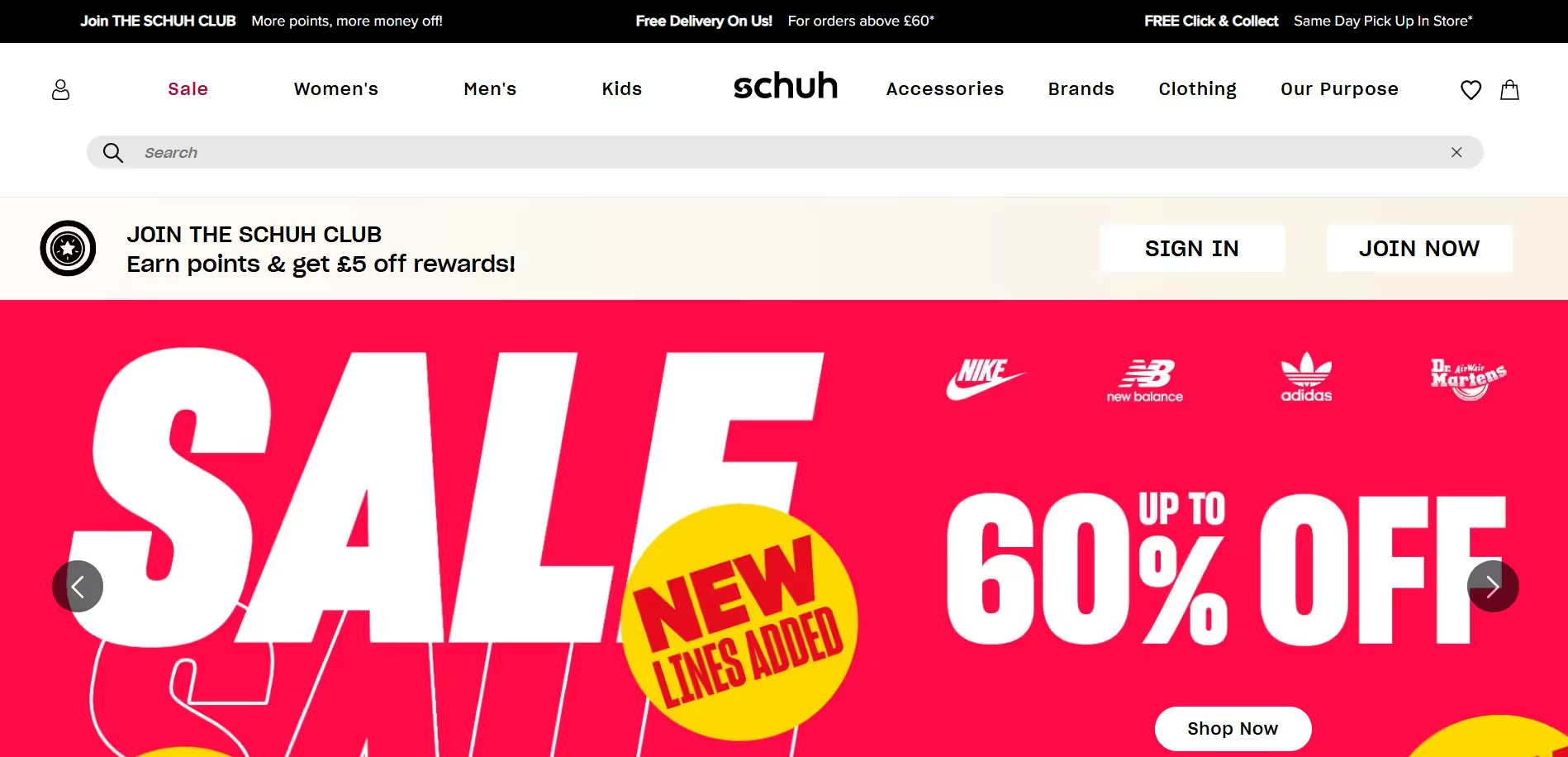
Schuh is a UK-based footwear retailer offering a wide selection of branded shoes for men, women, and children, known for trendy collections.
Top Selling Product
Dr. Martens Boots
Country
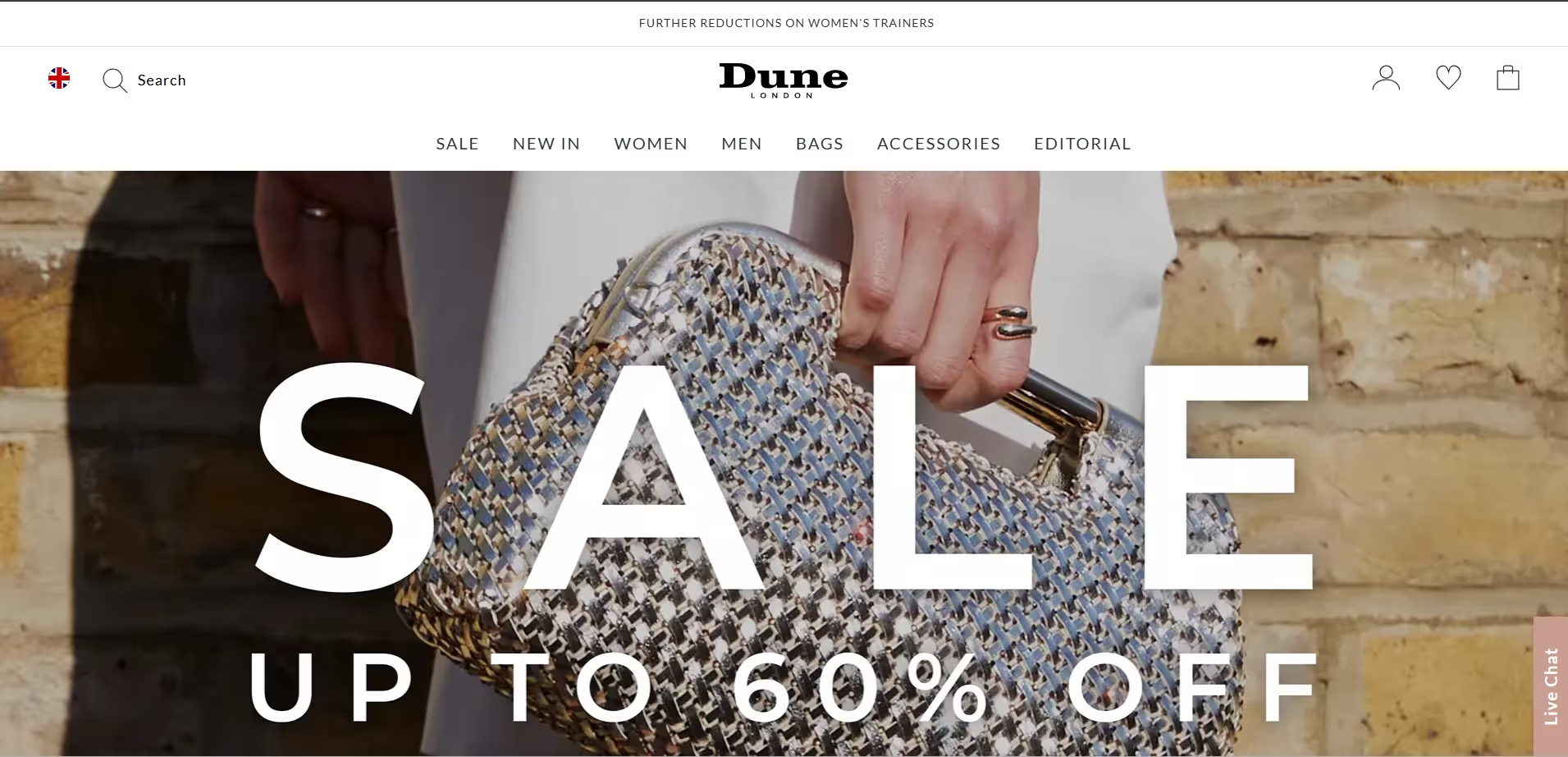
Established in 1992, Dune London offers contemporary footwear and accessories, blending fashion-forward styles with quality craftsmanship.
Top Selling Product
Chelsea Boots
Country
The US footwear market reaches $74.5 billion in 2026, with an average order value of $145 and a conversion rate of 3.6 percent for well-optimised DTC stores. The defining constraint in footwear ecommerce is the return rate: at 31.4 percent, shoes are among the highest-return sub-categories in all of ecommerce, and that number is almost entirely driven by fit uncertainty. Stores that deploy fit recommendation tools report return rates dropping to 18 to 22 percent, a difference that can be the margin between a profitable and an unprofitable operation. HOKA generated $797 million in DTC revenue by building a performance community around athlete endorsements, and Allbirds' foot measuring tool drove a 35 percent increase in conversion rate. Fit technology is not optional infrastructure in this category; it is the primary performance lever.
• Allbirds invested in a proprietary foot measuring tool that reduced size uncertainty at the point of purchase, resulting in a 35 percent CVR increase. The tool serves double duty: it improves conversion for first-time buyers and reduces post-purchase returns, both of which directly impact profitability.
• HOKA built a performance community anchored by athlete endorsements and running club partnerships. With $797 million in DTC revenue, the brand demonstrates that footwear with a specific performance identity and community infrastructure can sustain premium pricing in a category saturated with direct competitors.
• On Running's Cyclon subscription (pay $29 per month, return worn shoes for recycled replacements) solves the replacement cycle problem that most footwear brands ignore. The model converts an infrequent purchase into a monthly subscription, and the sustainability narrative aligns with the brand's broader positioning.
• Nike's SNKRS app uses limited drops with exclusive access to drive FOMO and community behaviour, turning shoe releases into events. The drop model creates urgency, builds resale culture around the brand, and drives app engagement between purchase cycles.
• Performance running (trail, road, and race) continues to grow as participation in endurance sports increases and buyers invest in category-specific footwear with premium technical specifications.
• Luxury and designer DTC is gaining ground as brands cut out retail markup and build direct relationships with buyers who previously purchased through department stores and boutiques.
• Sustainable and recycled material shoes are growing rapidly, driven by buyer demand and regulatory pressure, with several DTC brands building their entire identity around material transparency.
• Wide and extended sizing is a significant gap in the mainstream market. An estimated 30 percent of shoppers need non-standard sizing, and DTC brands that serve this underserved segment capture high-loyalty customers with limited alternatives.
• Dress and occasion shoes remain a high-value DTC opportunity, particularly as consumers increasingly purchase formal footwear online after the behavioural shifts of the past several years.
• A 31.4 percent return rate is structural unless sizing is actively solved. AR try-on tools and fit recommendation engines are not nice-to-have features; they are the primary profitability lever in footwear DTC. Stores that deploy them see return rates drop to 18 to 22 percent.
• Photography that doesn't show all angles is a conversion killer. Shoe buyers want to see the top, sole, heel, tongue, and interior. Stores that provide only front-facing imagery see significantly higher abandonment from buyers who want to verify construction details before committing.
• No half-size or width options eliminates 30 percent of potential buyers at the product page. Extended sizing is not a logistics complexity to be avoided; it is a market share opportunity most brands ignore.
• Competing on branded keywords against retail giants requires a budget that most DTC brands cannot sustain. The viable alternative is building community, story, and direct audience through performance content, ambassador programmes, and social proof, all of which justify the direct pricing premium over retail.
• CVR: 3.6 percent average for footwear DTC; higher with fit recommendation tools in place
• AOV: $145 average; higher for performance and premium positioning
• Return rate: 31.4 percent without fit tools; 18 to 22 percent with fit recommendation technology deployed
• Gross margin: 45 to 60 percent depending on manufacturing and brand tier
• Repeat purchase rate: 25 to 35 percent within 12 months; higher for performance runners on a replacement cycle
Fit uncertainty is the defining return driver in shoes, and stores that reduce this uncertainty before purchase operate at meaningfully better margins than those absorbing a 25 to 30% return rate as a cost of doing business. Kiwi Size Chart and Recommender provides dynamic size recommendations based on foot measurements, previous brand sizing experience, and style-specific width and fit notes, and shoe stores deploying it consistently report return rate reductions of 8 to 12 percentage points from a category baseline that makes every percentage point saved significant at scale.
Shoe care kits and accessories are natural add-ons that extend the lifetime and appearance of any purchase, and stores that bundle them at the cart stage capture AOV that would otherwise require a separate session. Easy Bundle Builder by Skai Lama enables "protect your shoes" bundle mechanics that attach waterproofing spray, sole protectors, cleaning kits, and shoe bags to a footwear purchase at a discounted bundle price, lifting transaction value without requiring the buyer to navigate a separate accessories category.
Free gift mechanics are effective in shoes for driving trial of complementary products (branded socks, insoles, laces) that increase buyer satisfaction with the primary purchase and introduce them to adjacent categories within the store. Kite: Free Gifts and Discounts by Skai Lama automates free addition triggers (a free pair of no-show socks with every trainer purchase above $120) and multi-buy promotions for buyers purchasing multiple styles, all with native Shopify Functions ensuring the mechanics apply consistently across device and checkout configurations.
Running shoe replacement subscriptions are an underused model in the footwear category despite the fact that performance runners replace shoes on a predictable schedule (every 400 to 500 miles for most running shoes). Recharge Subscriptions enables this mechanic with flexible scheduling options that let buyers set their replacement cadence based on their actual training volume, converting what is typically a high-consideration repurchase into a seamless recurring relationship with the brand.
On-foot photos from verified buyers, particularly showing the shoe in real wear contexts alongside height and sizing information, are the conversion asset that product photography cannot replicate in footwear. Okendo collects photo reviews with shoe size, width, foot type, and fit assessment attributes, enabling new buyers to find reviews from people with the same foot profile, which directly addresses the purchase hesitation that drives most shoe store abandonment before checkout.
Footwear is a category where the operator who solves fit wins. The return rate problem is the defining variable in DTC shoe economics, and the brands that invest in fit technology, comprehensive photography, and extended sizing options are not just improving margins, they are building a structural competitive advantage that is difficult for undercapitalised competitors to replicate. The second lever is community: performance footwear buyers purchase their identity as much as their shoes, and brands that build running clubs, ambassador programmes, and content ecosystems see LTV that justifies premium pricing at every tier.

The best Shopify stores for shoes carry a wide variety including sneakers, boots, sandals, formal shoes, running shoes, barefoot styles, and orthopedic options. Many stores focus on a niche such as sustainable footwear, handcrafted leather, or fashion-forward streetwear. Skailama enhances this experience by providing fit-related FAQs, material descriptions, and size converters for international shoppers.
Top stores provide size charts with foot length measurements, regional sizing (US, EU, UK), and sometimes fit feedback like “runs small” or “true to size.” Skailama supports this by offering automated sizing help, visual sizing examples, and real-time support for exchanges if a customer chooses the wrong size.
Yes, many Shopify shoe brands highlight eco-conscious production using vegan leather, recycled soles, or water-saving manufacturing techniques. Skailama promotes these initiatives via dynamic green labels, automated FAQs, and SEO-rich product filters to help conscious consumers find what aligns with their values.
Most stores offer a 14–30 day return window for unworn shoes, often with prepaid return labels. Exchanges are usually quick and easy, especially for sizing issues. Skailama automates the entire return flow—showing eligibility, issuing return links, and tracking status in one seamless customer experience.