

Our Apps Have Driven
5X AOV | 2X Conversions | $30M+ Additional Revenue
5X AOV | 2X Conversions | $30M+ Additional Revenue
.svg)


5.0 (3000+ Reviews)


Shopify Apps





.svg)

Tailor your search to find the perfect Shopify store.
Categories
SESA.ID is an online store offering organic and healthy food products, aiming to promote a healthier lifestyle among Indonesians.
Top Selling Product
Organic Food Products
Country
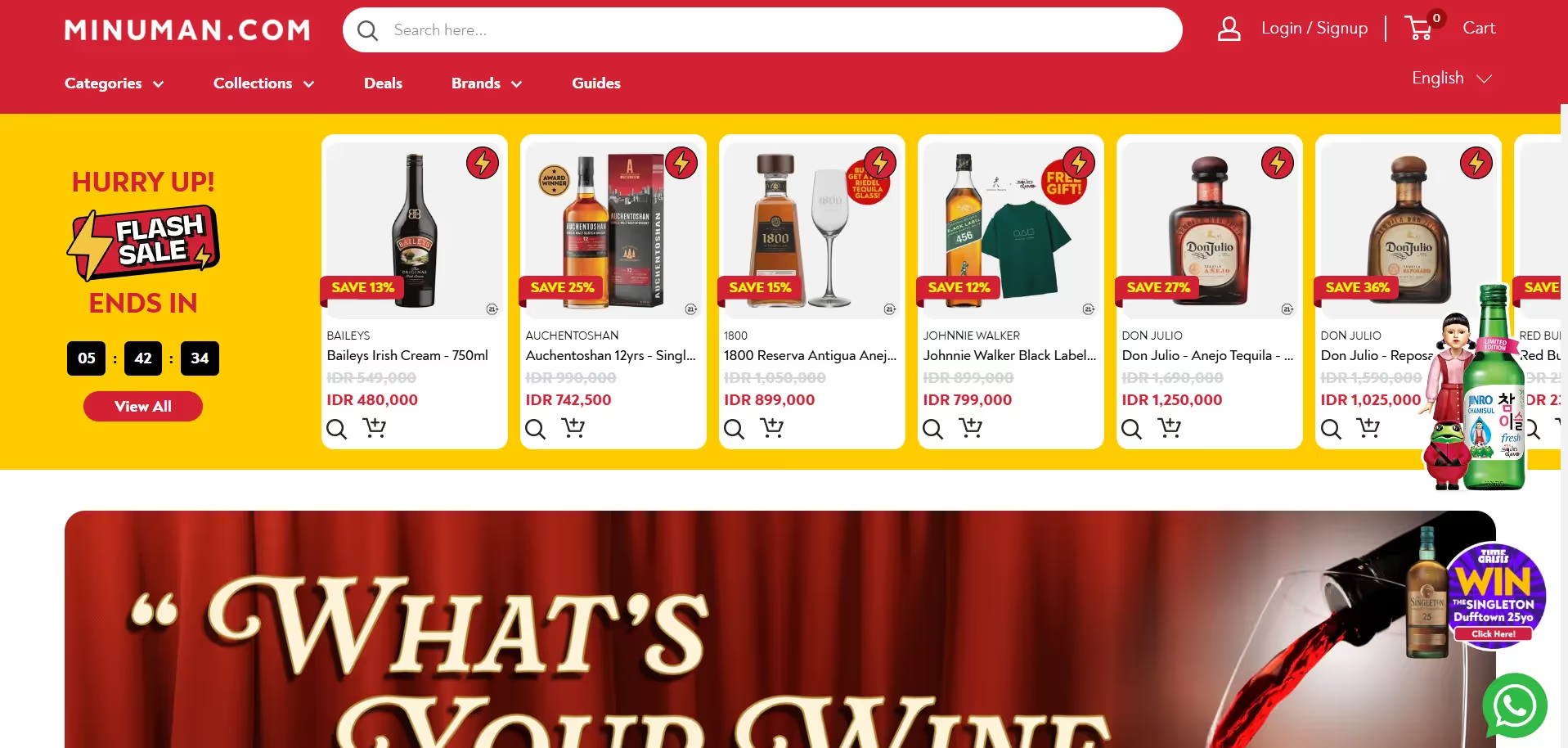
Minuman.com is a leading online beverage store in Indonesia, offering a wide range of drinks including soft drinks, juices, and bottled water.
Top Selling Product
Bottled Beverages
Country
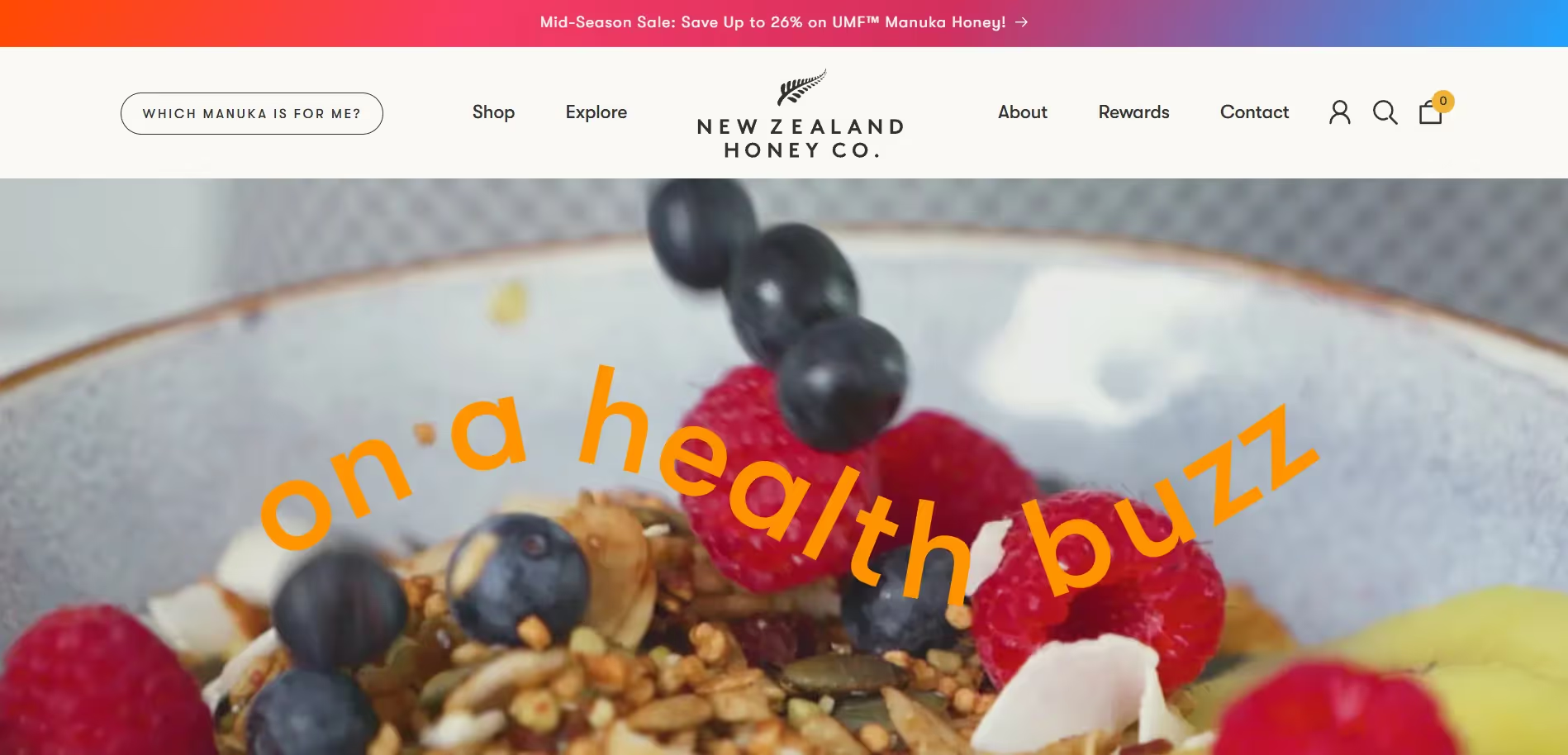
New Zealand Honey Co. produces premium honey products, including Manuka honey, harvested sustainably to ensure quality and purity.
Top Selling Product
Manuka Honey UMF 15+
Country
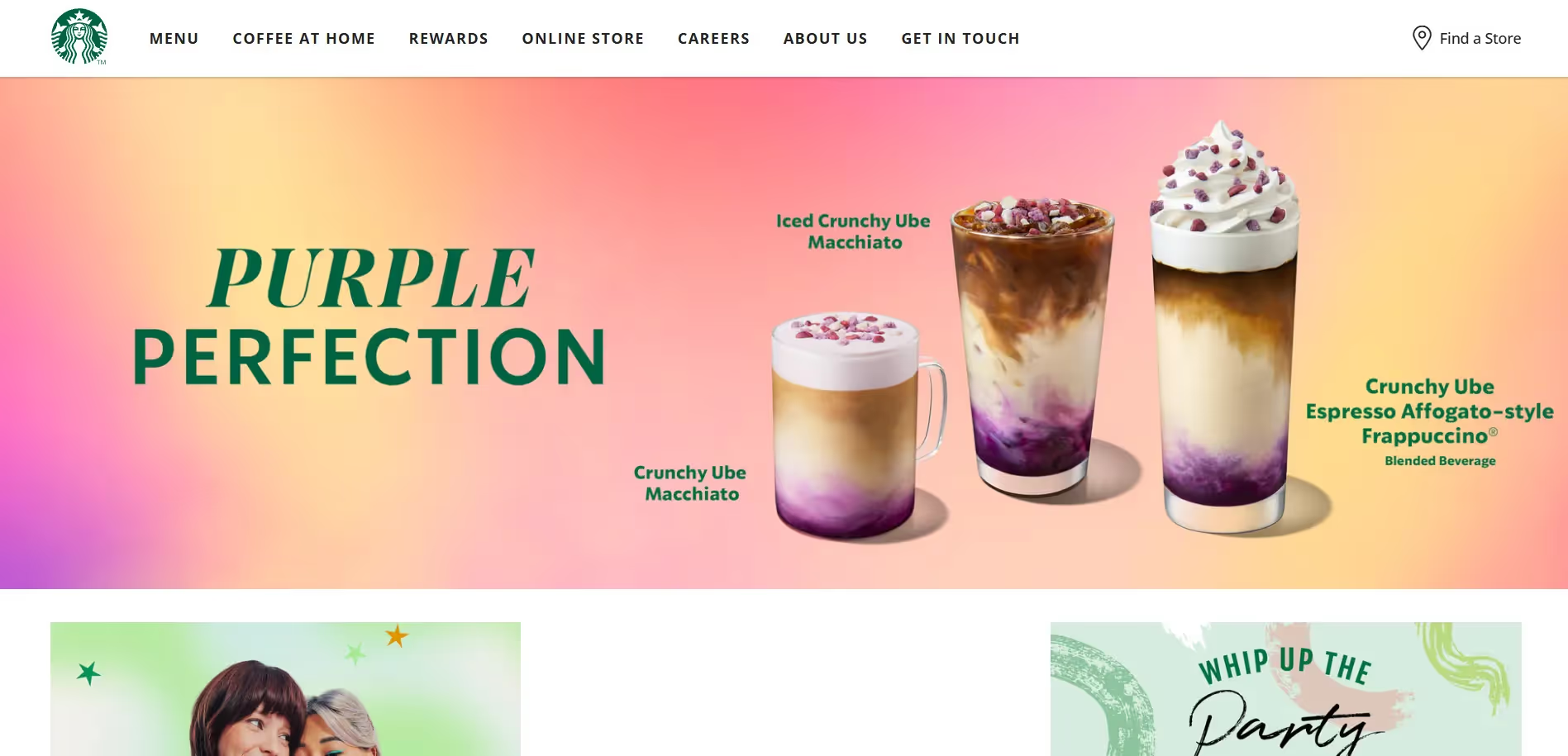
Starbucks NZ provides a range of coffee beverages, merchandise, and coffee beans, bringing the global coffeehouse experience to New Zealand customers.
Top Selling Product
Whole Bean Coffee
Country
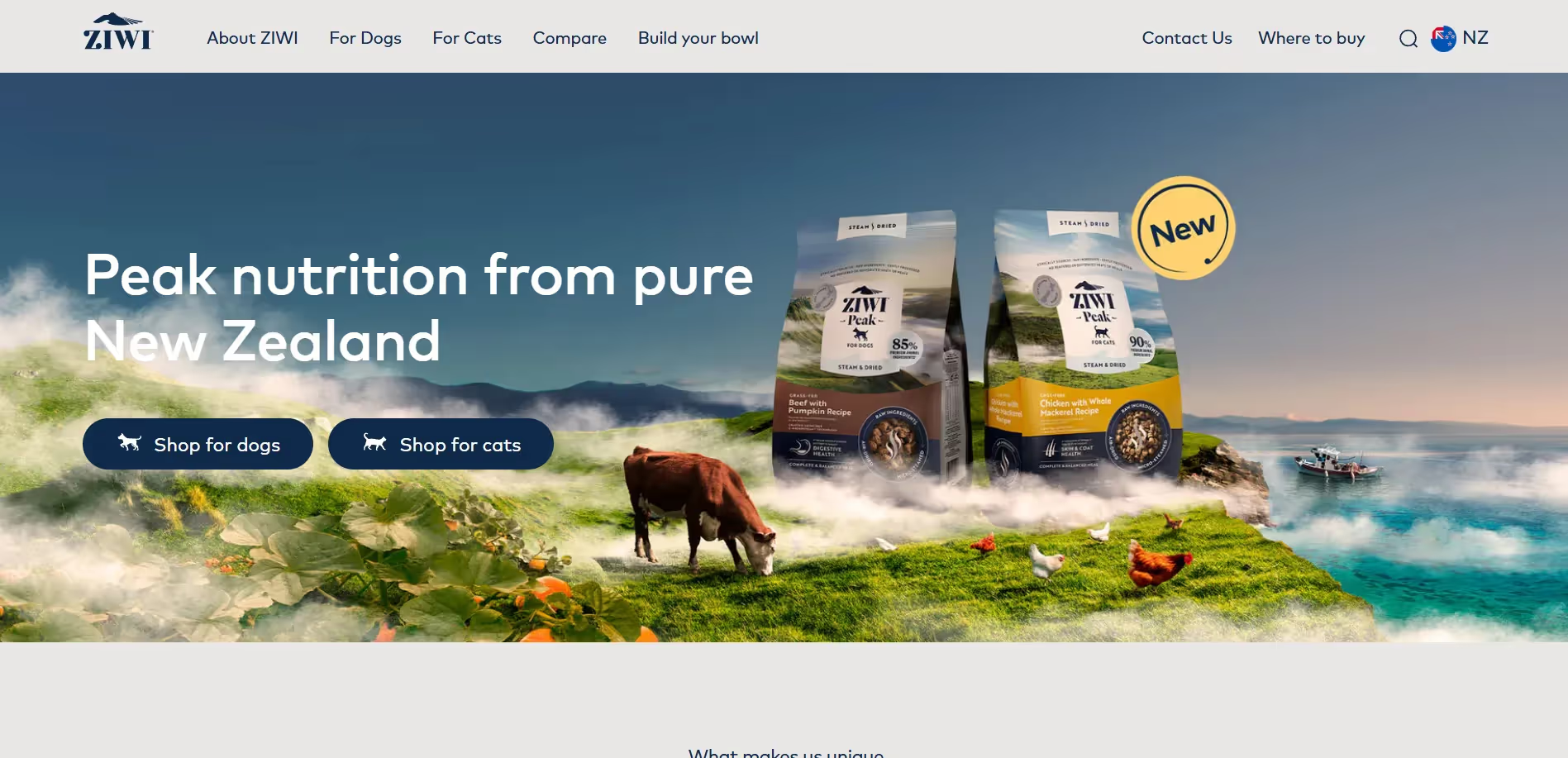
ZIWI is a premium pet food brand offering air-dried and canned recipes made from ethically sourced meat and seafood, catering to the nutritional needs of pets.
Top Selling Product
Air-Dried Dog Food
Country
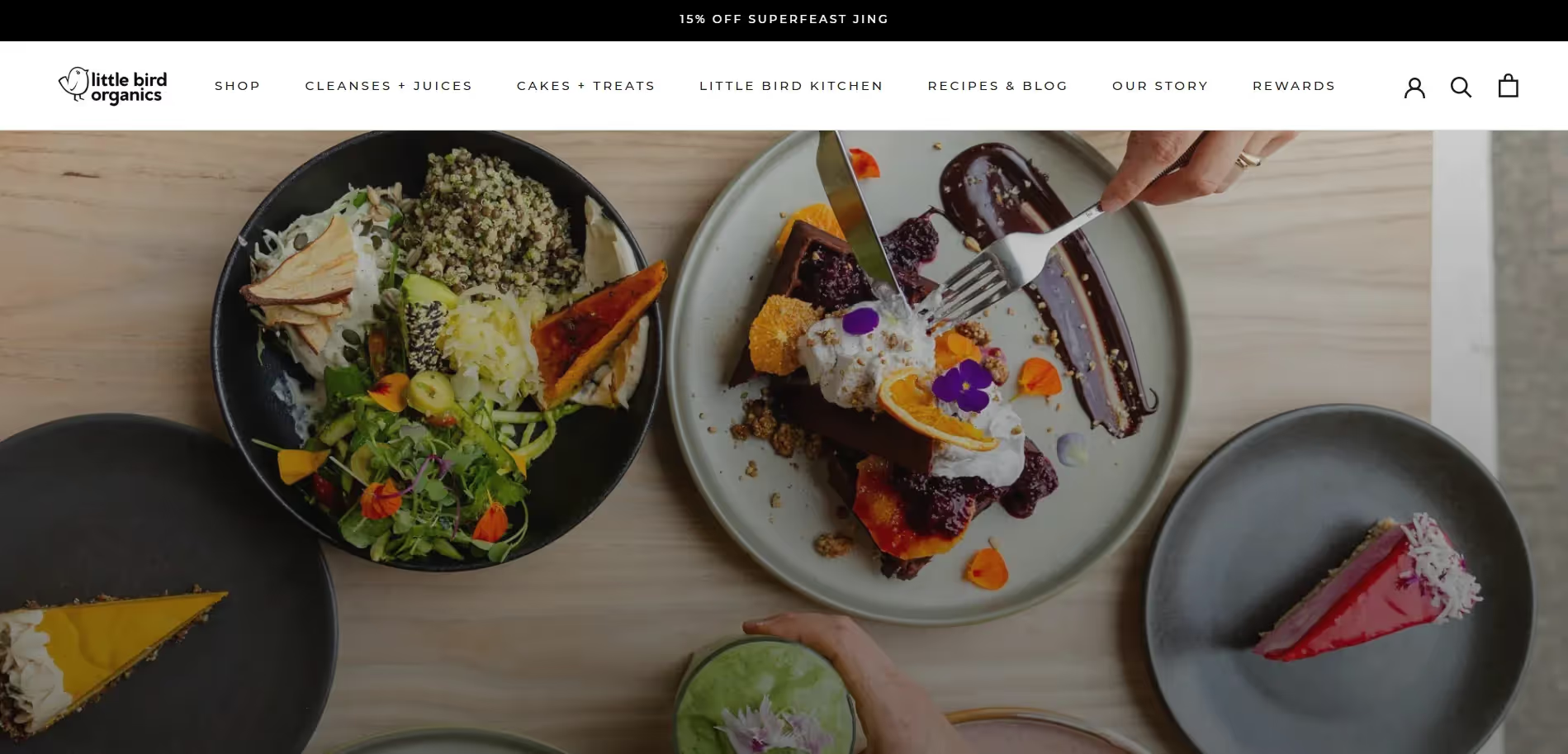
Little Bird Organics offers organic, plant-based foods and snacks, focusing on sustainability and health-conscious products made from whole, unprocessed ingredients.
Top Selling Product
Raw Goodness Bars
Country
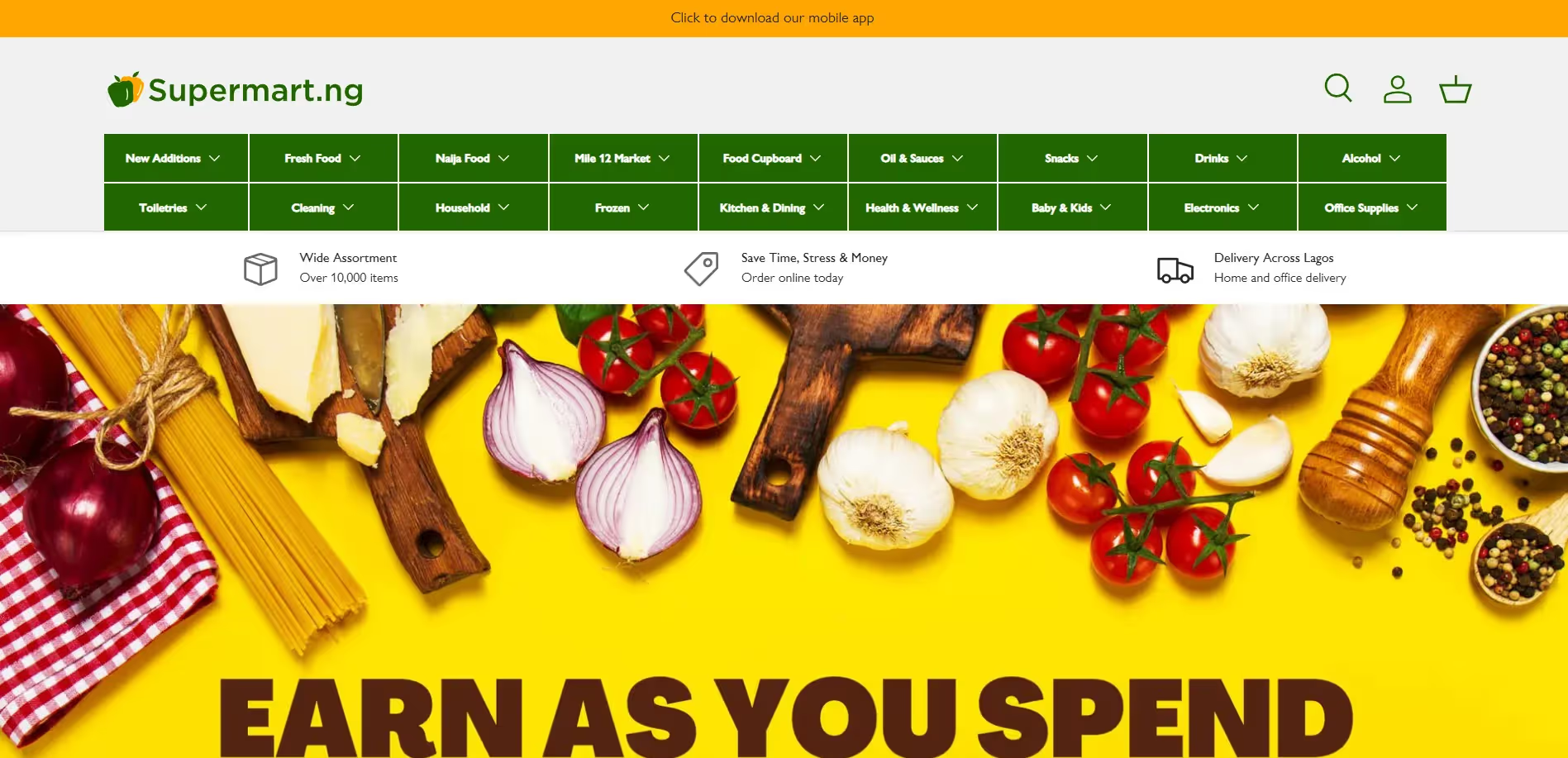
Supermart.ng is a leading online supermarket in Nigeria, offering a wide range of groceries and household items with convenient delivery services.
Top Selling Product
Fresh Produce
Country
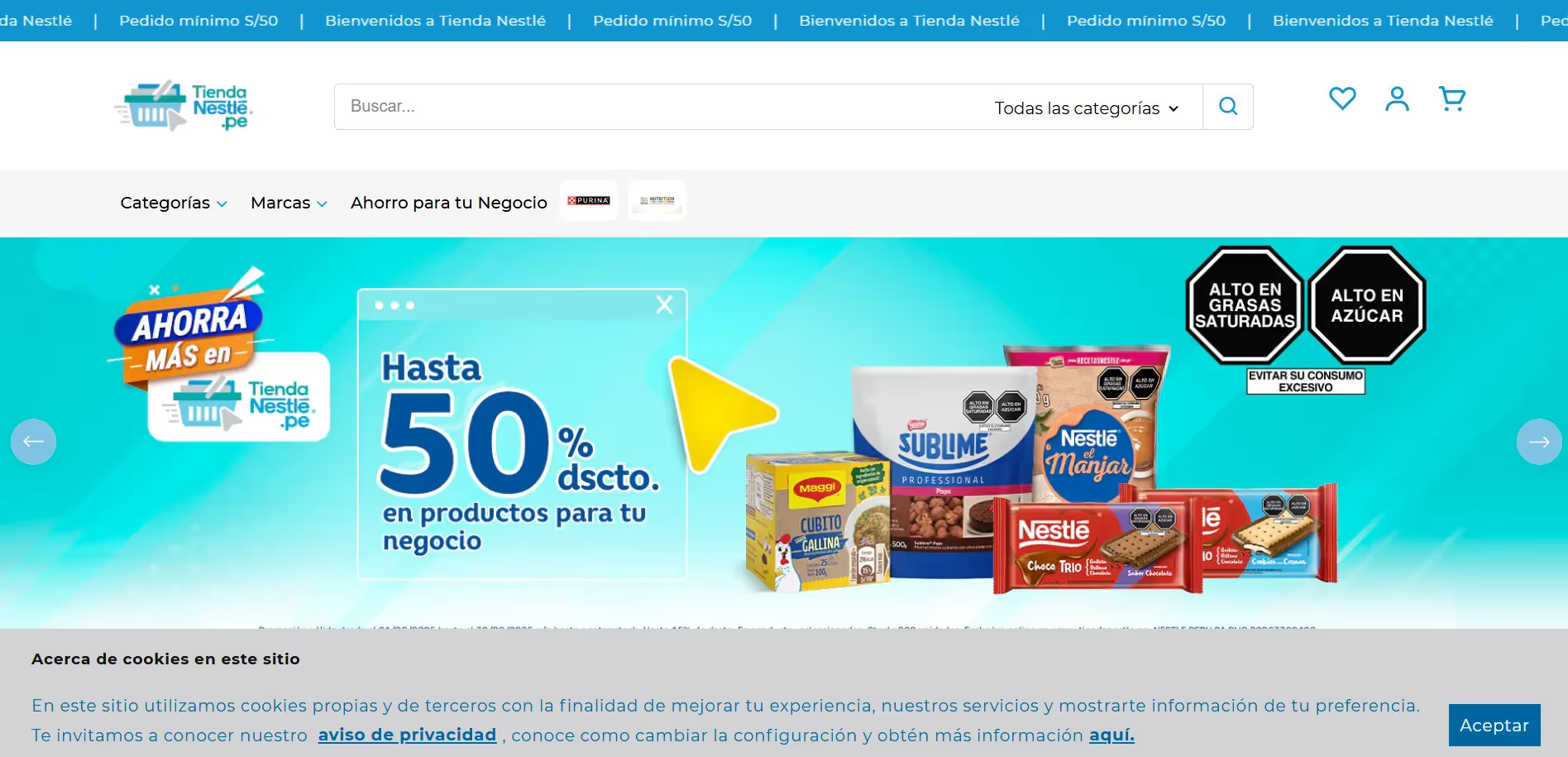
Tienda Nestlé Perú offers a variety of Nestlé products, including food and beverages, directly to consumers through its online platform.
Top Selling Product
Nescafé Gold Coffee
Country
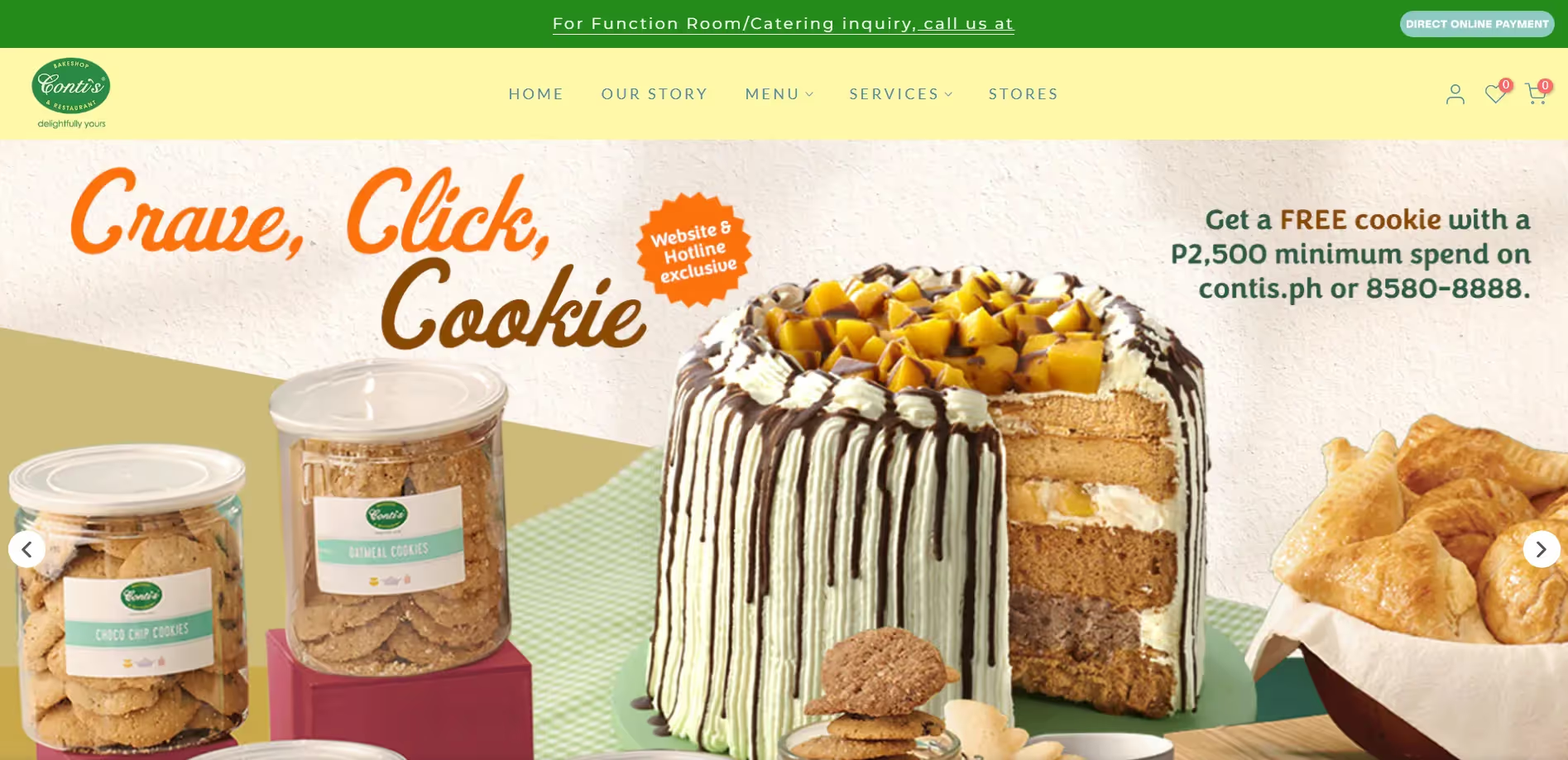
Conti's is a popular restaurant and bakeshop in the Philippines, known for its delectable cakes, pastries, and savory dishes that bring comfort and joy to Filipino families.
Top Selling Product
Mango Bravo Cake
Country
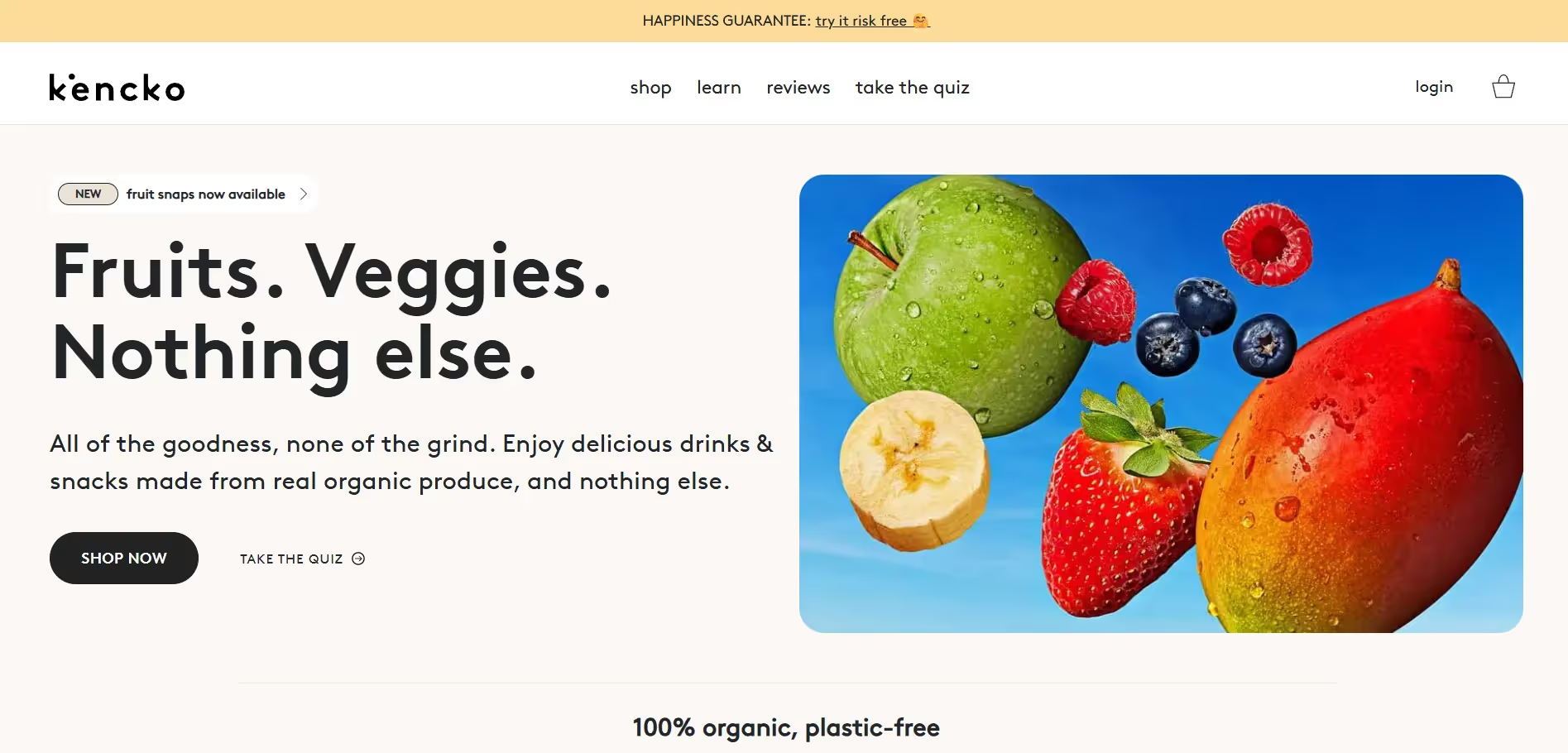
Kencko delivers organic instant smoothies made from flash-frozen fruits and vegetables, aiming to make healthy nutrition accessible and convenient for busy lifestyles.
Top Selling Product
Instant Smoothie Packs
Country
Nio Teas offers a curated selection of premium Japanese green teas, focusing on organic and sustainably sourced products.
Top Selling Product
Matcha Green Tea
Country

Uanuan provides eco-friendly home and kitchen products, focusing on sustainability and modern aesthetics.
Top Selling Product
Reusable Silicone Food Bags
Country
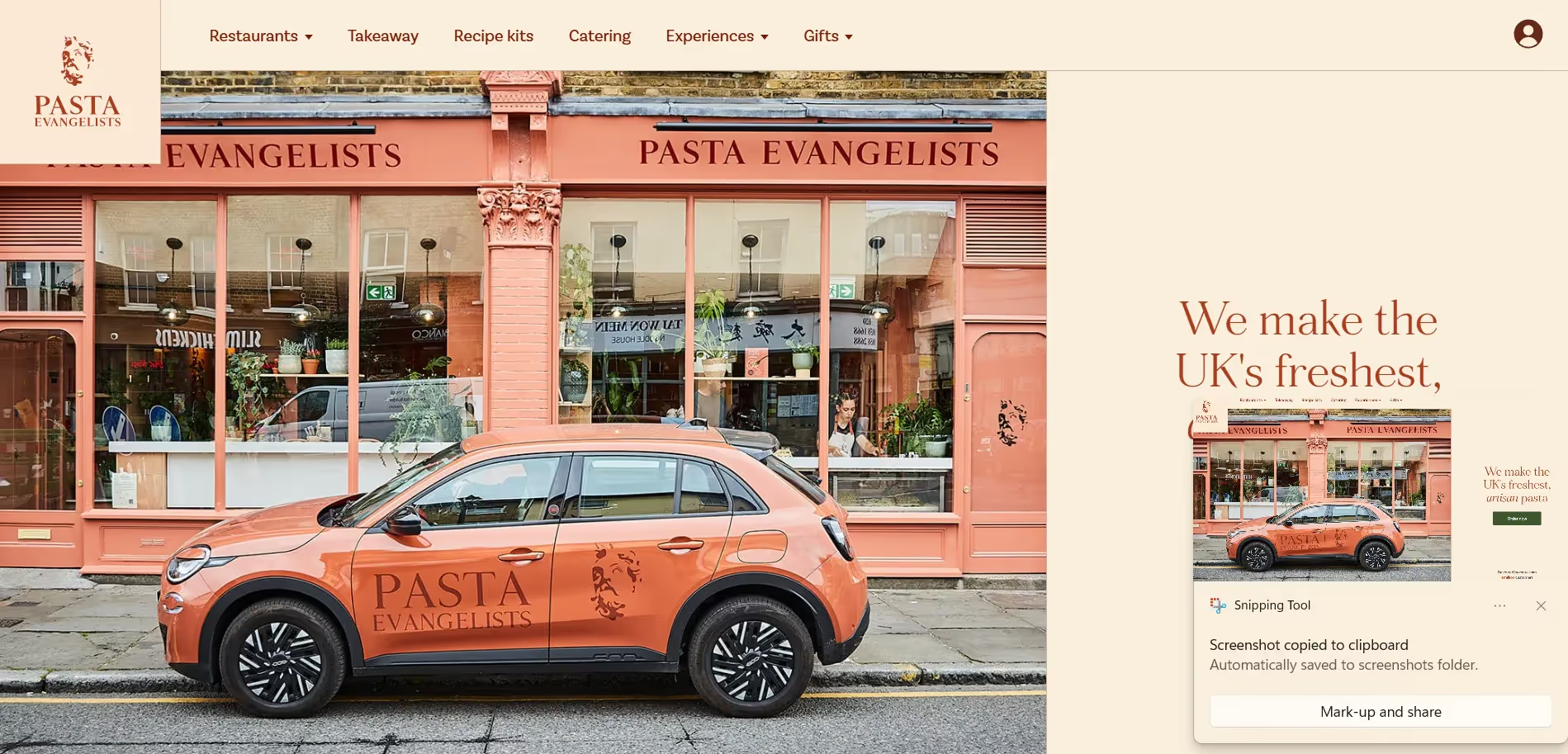
Pasta Evangelists delivers fresh, restaurant-quality pasta dishes across the UK, bringing gourmet Italian cuisine to homes.
Top Selling Product
Truffle & Mushroom Ravioli
Country
Founded in 1976, The Body Shop is a global beauty brand known for ethically sourced, natural-inspired products and activism.
Top Selling Product
Tea Tree Oil
Country
The global food and beverage ecommerce market is valued at $894 billion in 2026, growing at a 16.9% CAGR, one of the fastest-growing categories in all of ecommerce. Functional beverages alone represent a $265 billion segment at 6.5% CAGR, with non-alcoholic spirits growing at 22% year over year. There are 191,848 food and drink stores on Shopify globally, making it the platform's single largest merchant category. Despite the scale, most merchants underutilise the category's two most powerful commercial levers: the subscription model (perfectly aligned with consumption habits) and the story-driven premium pricing that separates $30 hot sauce from $5 commodity alternatives.
The DTC food and drink brands that have built durable high-margin businesses share a clear pattern: they sell a worldview and a ritual, not just a product.
• Subscription as the primary business model: Chamberlain Coffee built their Shopify store subscription-first, converting the majority of new buyers to recurring orders within 30 days. Coffee has one of the most predictable consumption cycles in any category (14 to 28 days), making it ideal for auto-replenishment mechanics that generate recurring revenue with near-zero re-acquisition cost.
• Story and origin as premium justification: Fly By Jing built a $30 chili crisp brand (versus $5 competitors) entirely on founder story, Sichuan origin narrative, and deliberate scarcity mechanics. The brand's Instagram launched before the product did. Story-first brands in the food category command 3 to 6x price premiums over commodity equivalents on identical ingredient quality.
• Provenance and craft as conversion signal: Brightland built premium olive oil and vinegar around provenance photography, farm-to-bottle storytelling, and editorial-quality packaging. Their average order value is $65 in a category where most buyers spend $8 to $12. Provenance-positioned food brands see 40% higher AOV than equivalent products without origin storytelling.
• Non-alcoholic and functional beverage positioning: Brands entering the non-alcoholic spirits space (Seedlip, Lyre's) command $30 to $40 per bottle at 60 to 70% gross margins by positioning around the ritual of drinking rather than the ingredient. Non-alc spirits are up 22% year over year with no deceleration in sight.
• Non-alcoholic spirits and premium mocktails: 22% YoY growth driven by mindful drinking trends and Dry January becoming year-round behaviour for Gen Z. DTC brands in this space command $30 to $45 AOV at premium margins.
• Functional beverages: Adaptogens, nootropics, and prebiotic drinks are growing at 6.5% CAGR within a $265 billion segment. Buyer willingness-to-pay for documented functional benefits is significantly above commodity beverage pricing.
• Single-origin and specialty coffee: Specialty coffee subscriptions grew 34% in 2025. Buyers who subscribe to specialty coffee have 4x higher LTV than buyers who purchase standard coffee on an ad-hoc basis.
• Allergen-free and dietary-specific food: Gluten-free, nut-free, and plant-based food categories are growing at 12 to 18% CAGR as dietary identification becomes central to consumer identity.
• Selling a commodity without a story: A food or drink product without a differentiating narrative competes solely on price. In a category with 191,848 Shopify stores, price competition is a race to zero. Every food and drink brand needs a clear answer to "why this, not the supermarket alternative."
• No subscription mechanics on consumables: Food and drink has the most naturally recurring consumption patterns of any ecommerce category. Stores without auto-replenishment options leave the category's most powerful retention lever unused.
• Underestimating perishable logistics: Temperature-sensitive products require refrigerated packaging and defined delivery windows. Stores that launch without solving cold-chain logistics see 25 to 40% of orders resulting in damage claims or spoilage complaints.
• Ignoring the gifting occasion: Premium food and drink is the most gifted product category after flowers. Stores without gift sets, gift messaging, and gift-ready packaging are invisible to a buyer segment that represents 30 to 40% of peak revenue for most food brands.
• Gross margin: 55 to 70% for branded DTC food; 60 to 75% for beverages and shelf-stable products
• Average order value: $45 to $75 (standard); $80 to $130 (premium and gifting)
• Return rate: Near zero for consumables (regulatory restrictions on food returns); damage claims are the primary loss source
• Repeat purchase rate: 55 to 75% within 60 days for subscription-enabled stores; 20 to 30% for one-time buyers without subscription prompting
• Subscription retention: 70 to 85% monthly retention for subscription coffee and specialty food; churn increases when product quality consistency lapses
Subscription is the foundational business model in food and drink DTC because consumption is regular, predictable, and non-discretionary. The most successful brands in this category (coffee roasters, meal kit services, specialty beverage brands) build subscription as the default offer from day one rather than treating it as an optional add-on. Recharge Subscriptions is the most widely deployed subscription platform for food and drink Shopify brands, with flexible delivery scheduling, skip and pause flows, and subscriber analytics that identify churn risk before it converts to cancellation.
Gifting is a significant purchase occasion in food and drink, with tasting sets, curated bundles, and hampers representing some of the highest-AOV transactions in the category. Easy Bundle Builder by Skai Lama enables buyers to build their own selection from a range of products in a "build your hamper" or "create your tasting set" mechanic, and also supports pre-curated bundles for buyers who prefer a guided recommendation, with automatic tiered discounts that reward larger basket sizes.
Quantity breaks and multi-pack pricing drive significant volume in food and drink because buyers purchasing staples (coffee, snacks, condiments) naturally buy in multiples when the price per unit decreases. Fly: Bundles and Cross Sell by Skai Lama powers quantity break promotions (buy 6, save 10%; buy 12, save 20%) with a native storefront display that communicates the savings clearly without requiring custom code or discount code workarounds.
Volume promotions and free gift mechanics are particularly effective in food and drink for introducing buyers to new products within the range. Kite: Free Gifts and Discounts by Skai Lama automates free product inclusions at spend thresholds (add a free sample bag of a new roast to orders above $40), buy-more-save-more tiers, and BOGO promotions that drive trial of new SKUs without requiring separate campaign infrastructure.
Taste and quality reviews are the primary conversion signal in food and drink, and buyers actively seek reviews that describe flavour profile, freshness, and delivery condition rather than just overall satisfaction. Okendo supports review collection with customisable product attributes (roast level, taste notes, packaging quality) and photo reviews that show products in real consumption contexts, which convert at meaningfully higher rates than text-only reviews in this sensory category.
Food and drink ecommerce is a category where storytelling ability is the primary determinant of margin. Two products with identical ingredients, one with a compelling origin story and one without, can command a 5 to 10x price difference and sustain it. The category's natural subscription economics mean that every brand has access to recurring revenue mechanics; the operators who build them into their initial purchase flow rather than as an afterthought see fundamentally different LTV profiles. With functional beverages and non-alcoholic spirits still in early DTC consolidation, the window for operators to establish category leadership in high-growth sub-niches is open right now.

These Shopify stores sell a curated mix of gourmet foods and premium beverages—ranging from craft coffee and teas to healthy snacks, nut butters, condiments, alcoholic beverages, and non-alcoholic elixirs. Some focus on artisanal or international fare, while others offer locally sourced, organic, or small-batch specialties. The best stores emphasize taste, sustainability, and lifestyle. With Skailama, these brands improve discoverability through automated FAQs, dietary preference filters, and recipe pairings that boost SEO and conversion.
Freshness is prioritized through fast fulfillment, batch-tracking, and real-time inventory updates. Many stores feature roast or bottling dates for transparency. Authenticity is backed by origin stories, partnerships with producers, and detailed ingredient sourcing. Skailama can highlight freshness-related questions and notify customers about restocks or limited editions through smart alerts.
Yes, food and drink stores frequently create seasonal gift boxes, corporate gift sets, and personalized bundles for holidays, birthdays, or events. These are usually available with gift wrapping, custom notes, and tiered pricing. Skailama helps promote these offers with timed popups, automated product suggestions, and upsell-focused FAQ content.
Definitely. Many Shopify food and drink brands offer monthly or biweekly subscription boxes for coffee, snacks, wine, or beverages. With Skailama’s subscription FAQ automation and renewal alerts, customers can manage preferences, skip deliveries, or update payment methods—making recurring orders frictionless and more convenient.