
Our Apps Have Driven
5X AOV | 2X Conversions | $30M+ Additional Revenue
5X AOV | 2X Conversions | $30M+ Additional Revenue
.svg)


5.0 (3000+ Reviews)


Shopify Apps





.svg)

Tailor your search to find the perfect Shopify store.
Categories
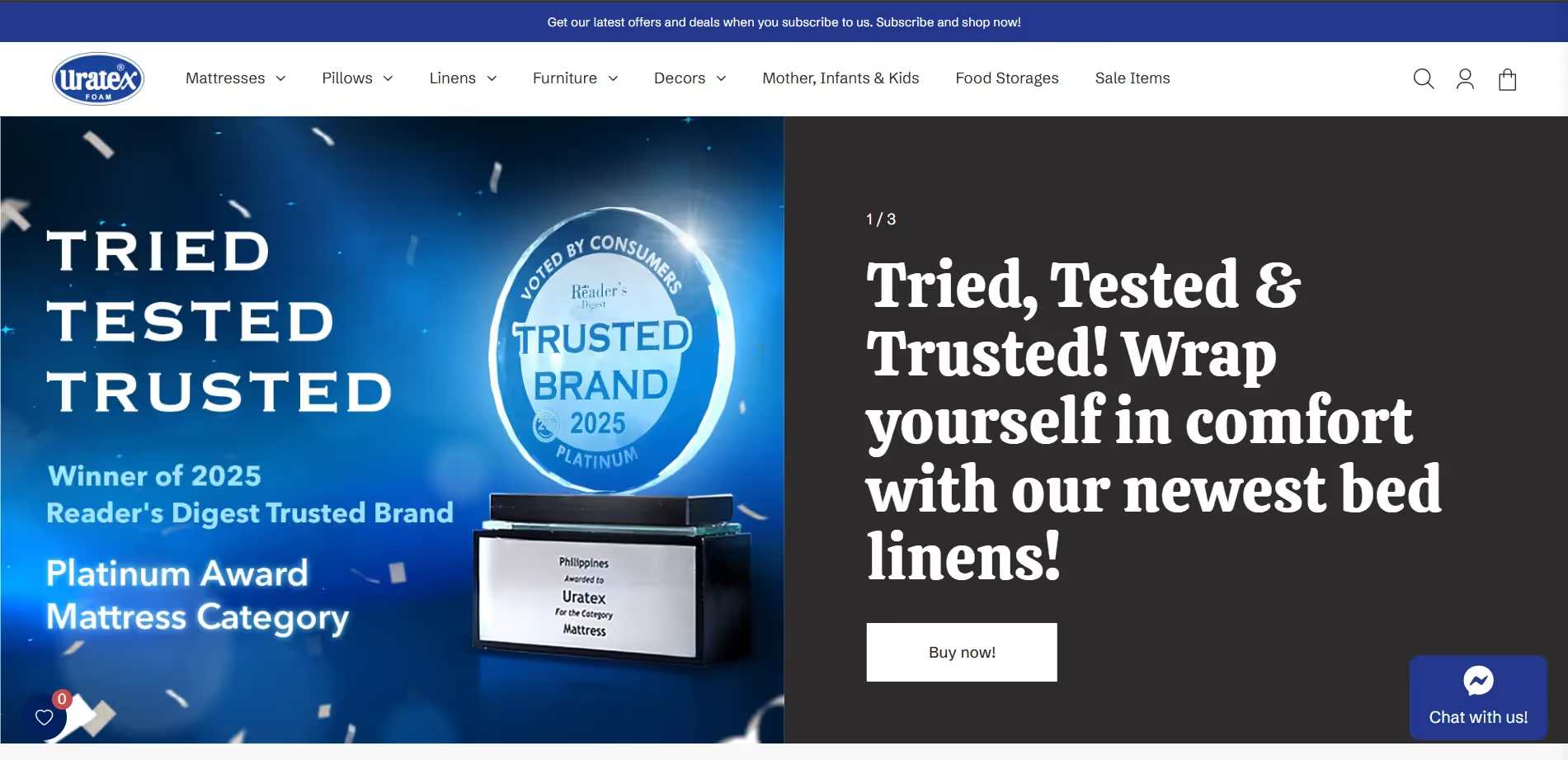
Uratex is a leading foam and mattress manufacturer in the Philippines, known for its high-quality sleep solutions and innovative foam technology.
Top Selling Product
Orthocare Mattress Series
Country
RC Cola Philippines offers a range of carbonated beverages, known for its classic cola taste and affordability, catering to Filipino consumers nationwide.
Top Selling Product
RC Cola 1.5L Bottle
Country
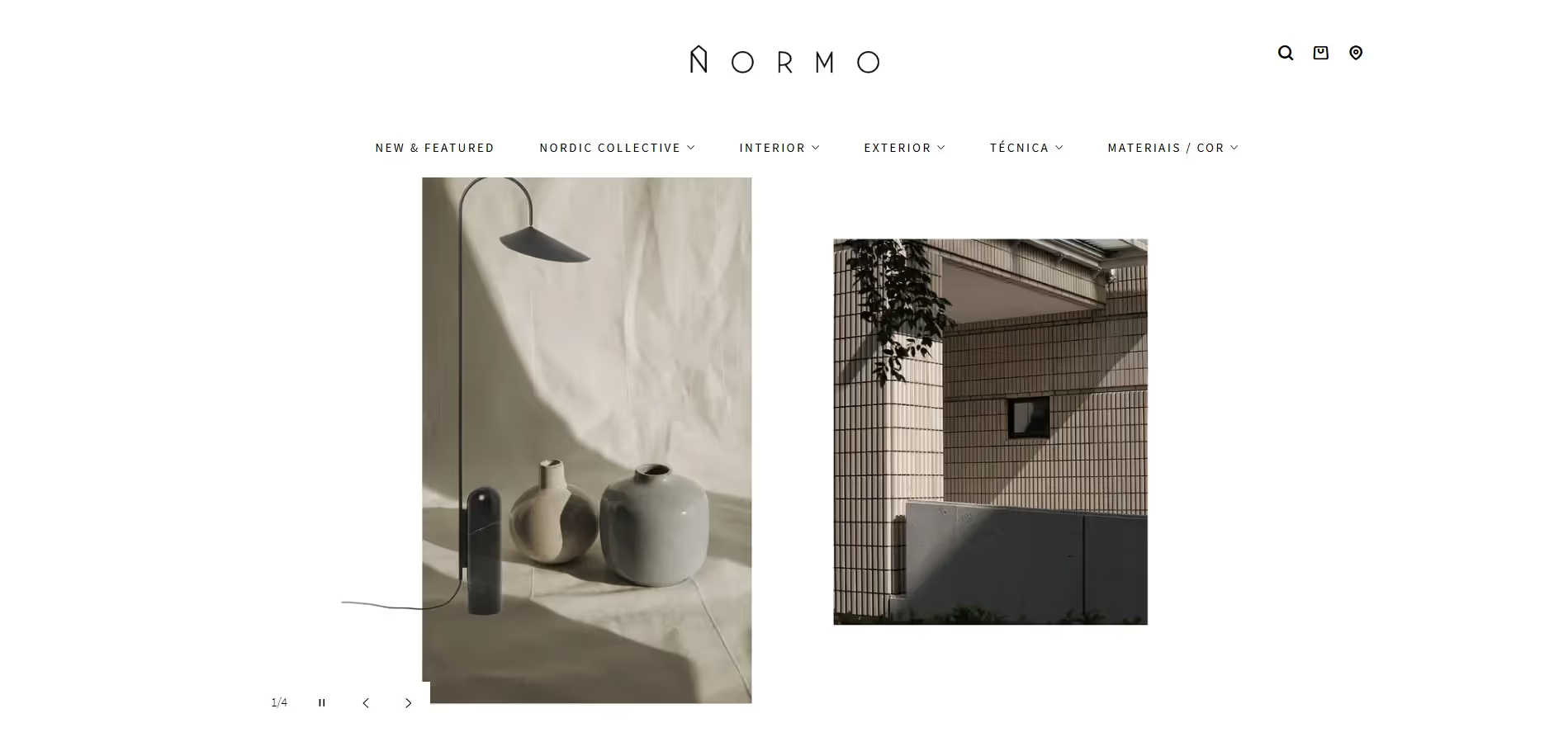
Normo focuses on home improvement products, providing innovative solutions and tools that enhance everyday living spaces with practicality and modern design.
Top Selling Product
Multi-Tool Kits
Country

Watc-Studio specializes in contemporary denim fashion, offering a curated selection of jeans and apparel that blend modern aesthetics with comfort and quality craftsmanship.
Top Selling Product
Slim Fit Jeans
Country

Furlan Marri is a Swiss watch brand that combines vintage design elements with modern watchmaking techniques, offering limited edition timepieces.
Top Selling Product
Mechaquartz Chronograph
Country
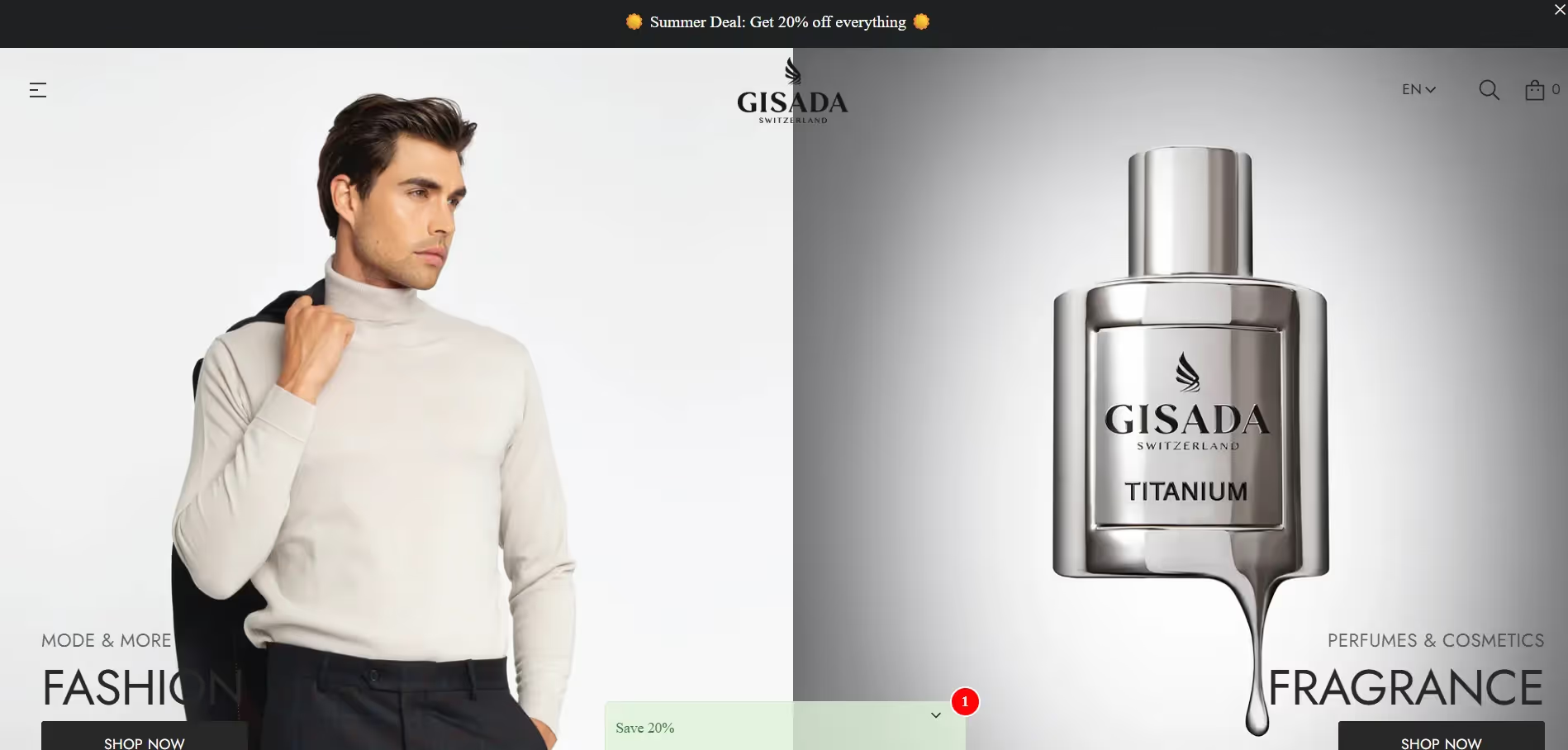
Gisada is a Swiss fragrance brand offering a range of perfumes that blend traditional craftsmanship with modern sensibilities.
Top Selling Product
Ambassador Men Eau de Parfum
Country

The Locarno Film Festival is one of the longest-running film festivals, held annually in Locarno, showcasing independent and auteur cinema.
Top Selling Product
Festival Passes
Country
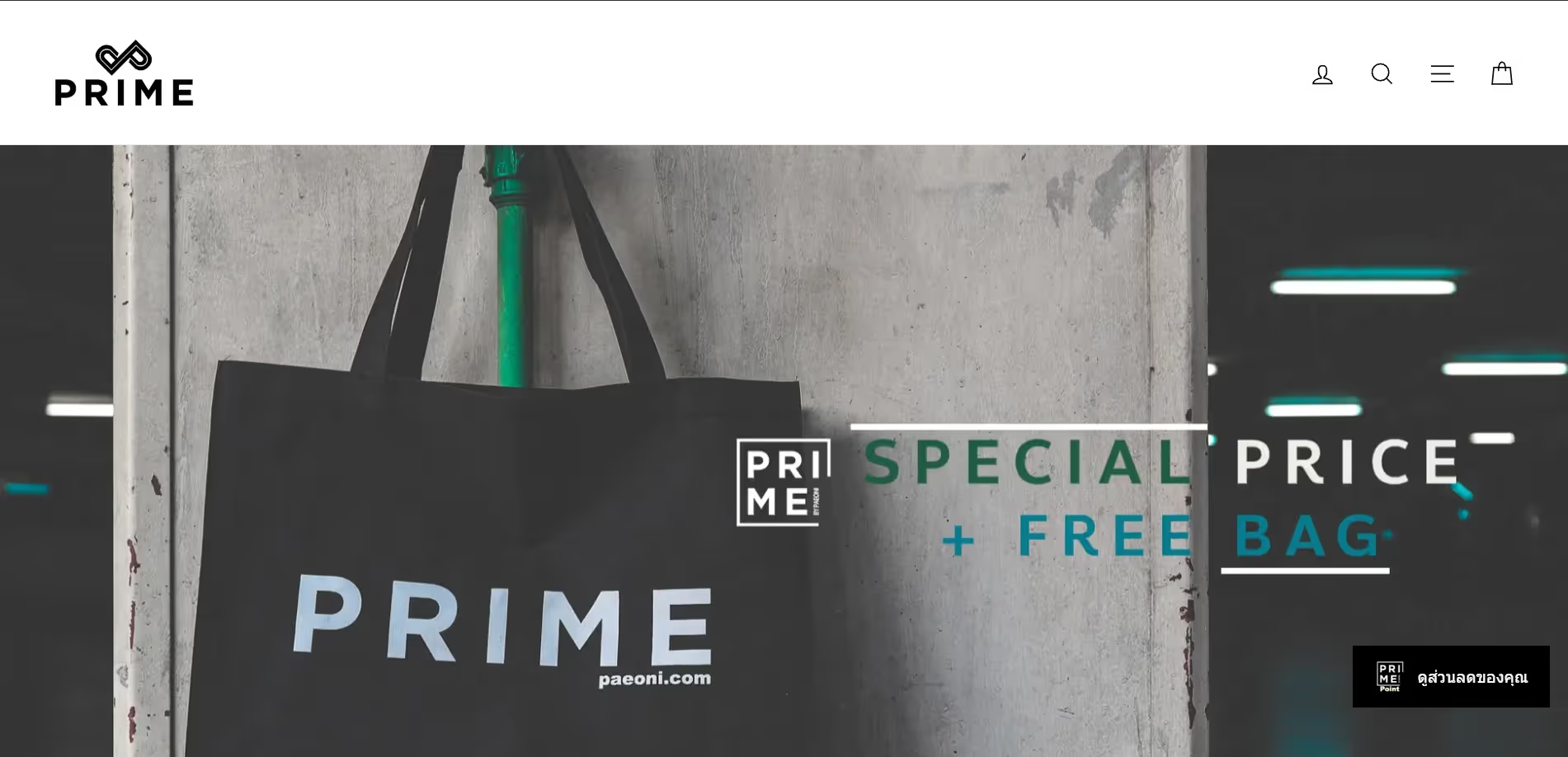
Paeoni is a fashion brand offering clothing, shoes, and jewelry, combining elegance with contemporary styles.
Top Selling Product
Women's Dresses
Country
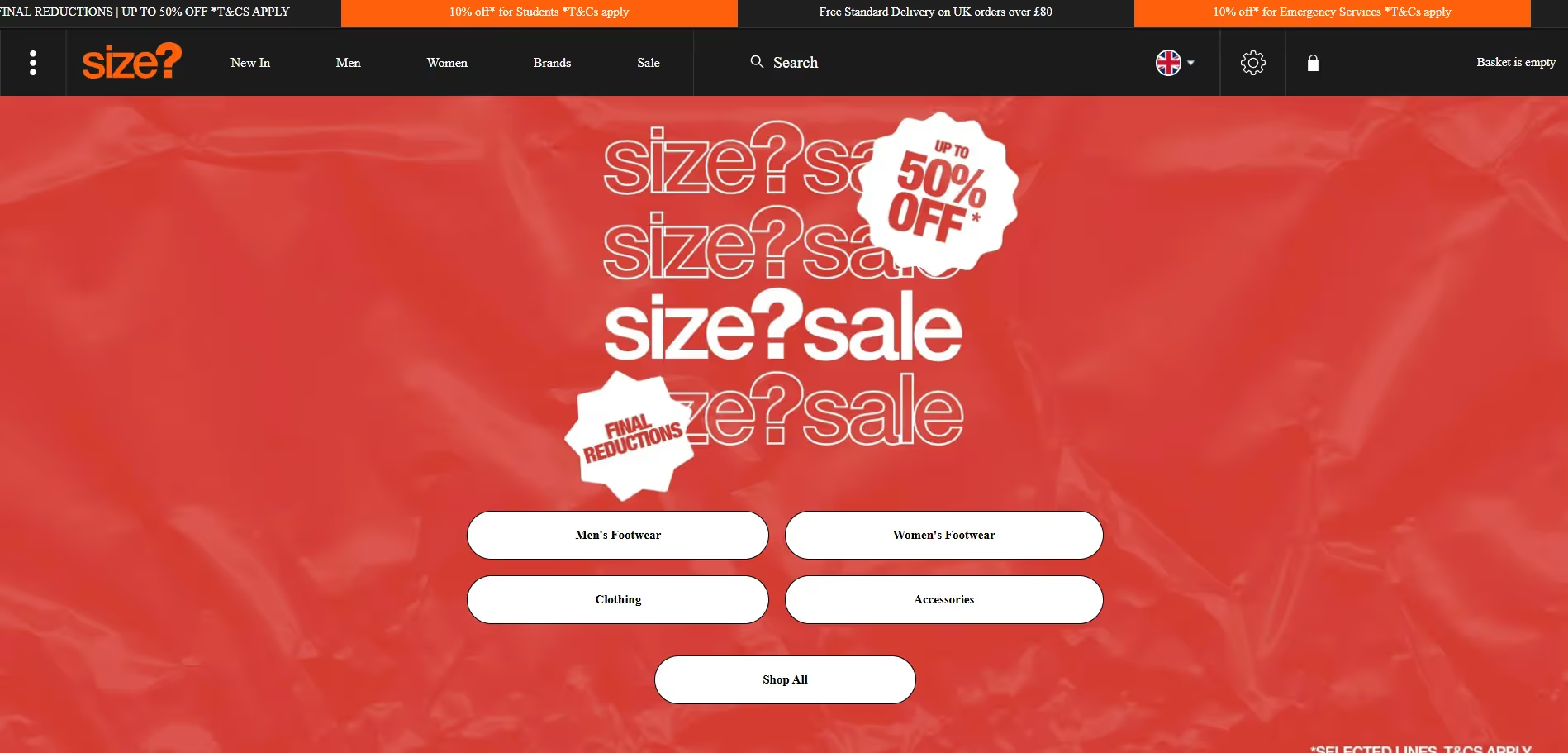
Size? is a UK-based retailer specializing in exclusive footwear and streetwear, catering to sneaker enthusiasts with limited-edition releases.
Top Selling Product
Nike Air Max 95
Country
The everyday carry (EDC) segment alone sits at $2 billion and is projected to reach $5 billion at a 15% CAGR, making it one of the more durable growth stories in DTC. Broader lifestyle commerce rides a similar wave: TikTok's US shopping audience is forecast to hit 80.4 million buyers by end of 2026, and the category skews toward 25-to-44-year-old urban professionals who spend on identity-reinforcing objects. Average order values range from $90 to $150 for single-item purchases, but ecosystem bundles push that to $140 to $250. The repeat purchase pattern is non-linear: customers who place a second order return at a 54% higher rate, meaning the critical investment is in getting buyers back once, not chasing a broad pool of first-timers.
• Bellroy builds its entire catalogue around the concept of a modular product ecosystem. The Jet Set bundle isn't just a product pairing, it's a permission structure that trains customers to think in systems rather than single items. Every product page cross-references compatible accessories, and the brand's visual language is consistent enough that new releases feel like natural extensions rather than disconnected launches.
• Away treats luggage as the entry point to a full travel accessories category. With over $150 million in revenue, the brand's genius is positioning the suitcase as a long-term purchase while creating frequent repurchase opportunities through packing cubes, travel wallets, and toiletry bags. The accessories carry higher margins than the hero product and convert at a higher rate because the customer already trusts the brand.
• Ridge started with a single SKU wallet and used that audience to build a full EDC ecosystem. Wallets, phone cases, bags, and travel accessories all share the same minimal design language, and bundle upsells at checkout routinely lift AOV by 25 to 55 percent.
• Aesop translates in-store product rituals into DTC discovery. Rather than listing ingredients, the brand builds routines and sells the experience of use. This approach extends perceived product value and nudges customers toward multi-product purchases in a category where single-item buying is the default.
• Everyday carry products (wallets, bags, multitools, keychain accessories) are the growth engine of the broader lifestyle category, fuelled by Reddit communities, YouTube reviews, and TikTok unboxings.
• Travel accessories sit at an intersection of rising travel spend and DTC brand ambition, with significant white space between mass-market airport retail and premium brands like Away.
• Sustainable lifestyle brands are gaining ground with buyers who want products that align with values, particularly in personal care and home carry accessories.
• Urban mobility accessories (e-scooter bags, cycling commuter gear, modular bike storage) are a fast-growing sub-category in cities, with limited competition in the premium DTC segment.
• Mindful living products (journals, meditation tools, ambient sound devices) are benefiting from the broader wellness convergence with everyday lifestyle purchasing.
• Describing yourself as a "lifestyle brand" positions you against everyone and no one. The strongest brands own a specific object or ritual (the wallet, the carry bag, the travel system) and expand from there. Generic positioning is the single largest conversion killer in this category.
• Lifestyle purchases are often milestone moments rather than habitual repurchases. A customer who buys a premium wallet or luggage set may not need another for three to five years. Stores that don't build a deliberate second-purchase pathway into their post-order flow miss the window entirely.
• TikTok virality without brand depth creates spikes that don't compound. A viral moment can drive thousands of first orders, but without a coherent brand story, product ecosystem, and email programme, the cohort churns and the store resets to zero.
• Consumable lifestyle products (candles, personal care refills, supplements) have natural subscription economics that most stores ignore. Missing the subscription mechanic on replenishable products is leaving predictable recurring revenue untouched.
• Gross margin: 55 to 70 percent for branded lifestyle products
• AOV: $90 to $150 for single-item purchases; $140 to $250 for ecosystem bundles
• Return rate: 10 to 18 percent (lower for hard goods, higher for apparel-adjacent lifestyle)
• Repeat purchase rate: 28 to 40 percent within 12 months for standard catalogues; significantly higher after second order is placed
• TikTok Shop conversion: outperforms standard DTC for impulse-tier lifestyle products under $60
Ecosystem bundle selling is the defining merchandising strategy for top lifestyle brands: Bellroy, Ridge, and Away all generate a meaningful proportion of revenue from buyers who purchase a complementary set of products in a single transaction rather than individual items. Easy Bundle Builder by Skai Lama powers "complete your carry" and "build your kit" bundle mechanics that group wallets, bags, cardholders, and travel accessories into curated ecosystem sets, with a mix-and-match selection interface and tiered discounts that reward buyers who commit to the complete system.
Consumable lifestyle products (candles, personal care refills, travel essentials) have natural subscription economics that most stores in the category ignore, leaving predictable recurring revenue uncaptured. Recharge Subscriptions converts one-time consumable buyers into subscribers on flexible replenishment schedules, building a recurring revenue layer on top of what is otherwise an infrequent-purchase category driven by milestone events and seasonal gifting.
Volume and promotional mechanics are effective in lifestyle for driving initial category adoption from buyers who have not yet committed to the full ecosystem. Kite: Free Gifts and Discounts by Skai Lama enables free gift triggers that introduce buyers to new products in the range (a free travel pouch with a wallet purchase above $80), tiered spend promotions for holiday gifting windows, and BOGO mechanics on complementary accessories, all built on native Shopify Functions.
Lifestyle buyers who have made a second purchase return at a 54% higher rate than those who have not, and loyalty infrastructure is what converts the first-time buyer into a second-time buyer at the critical juncture. Smile.io powers points programmes with no-expiry configurations that work well for the longer purchase cycles in lifestyle, along with referral mechanics that convert the brand-loyal lifestyle buyer into an active advocate for their social circle.
Photo and video reviews showing products in real carry and travel contexts are the highest-trust conversion signal in lifestyle DTC because they answer the questions about scale, material quality, and real-world usability that product photography in a studio setting cannot address. Okendo supports multimedia review collection with carry context and use-case attributes, giving prospective buyers the real-world validation they need to commit to a higher-priced lifestyle purchase.
Lifestyle commerce rewards specificity and patience. The brands that break through don't try to own "lifestyle" as a category. They own a specific object, build deep community around it, and use that trust to expand into adjacent products that serve the same customer identity. The repeat purchase pattern in this category is back-loaded: the second order is the hardest to win, but once earned, it compounds. Operators who invest in post-purchase sequences, ecosystem bundle architecture, and a clear brand point of view, rather than chasing TikTok virality for its own sake, are the ones building durable businesses in 2026.

Lifestyle Shopify stores offer curated products that reflect a particular aesthetic, mindset, or way of living. These may include wellness products, minimalist décor, curated fashion, coffee and tea kits, travel accessories, and productivity tools. The best lifestyle brands tell a cohesive story through branding, packaging, and product experience. Skailama helps maintain this narrative by guiding users through themed FAQ flows, inspirational product content, and interactive discovery tools.
Yes, lifestyle stores often offer themed boxes or curated kits—perfect for birthdays, holidays, or corporate gifting. These bundles may include a mix of beauty, wellness, and home items, tailored for specific recipient types. Skailama automates gift FAQs, manages delivery-to-recipient options, and surfaces upsell suggestions to increase average order value and buyer satisfaction.
Many lifestyle brands align with eco-conscious or mindful living trends, offering products that are organic, reusable, biodegradable, or ethically sourced. Skailama ensures these selling points are clearly communicated through dedicated sustainability FAQs, collection filters, and product badges—boosting both SEO and buyer trust.
Yes, some stores offer subscriptions for items like teas, wellness kits, or motivational products. With Skailama, stores can manage subscription FAQs, renewal schedules, and customer preferences—all through a sleek self-service dashboard that enhances loyalty and lifetime value.