

Our Apps Have Driven
5X AOV | 2X Conversions | $30M+ Additional Revenue
5X AOV | 2X Conversions | $30M+ Additional Revenue
.svg)


5.0 (3000+ Reviews)


Shopify Apps





.svg)

Tailor your search to find the perfect Shopify store.
Categories

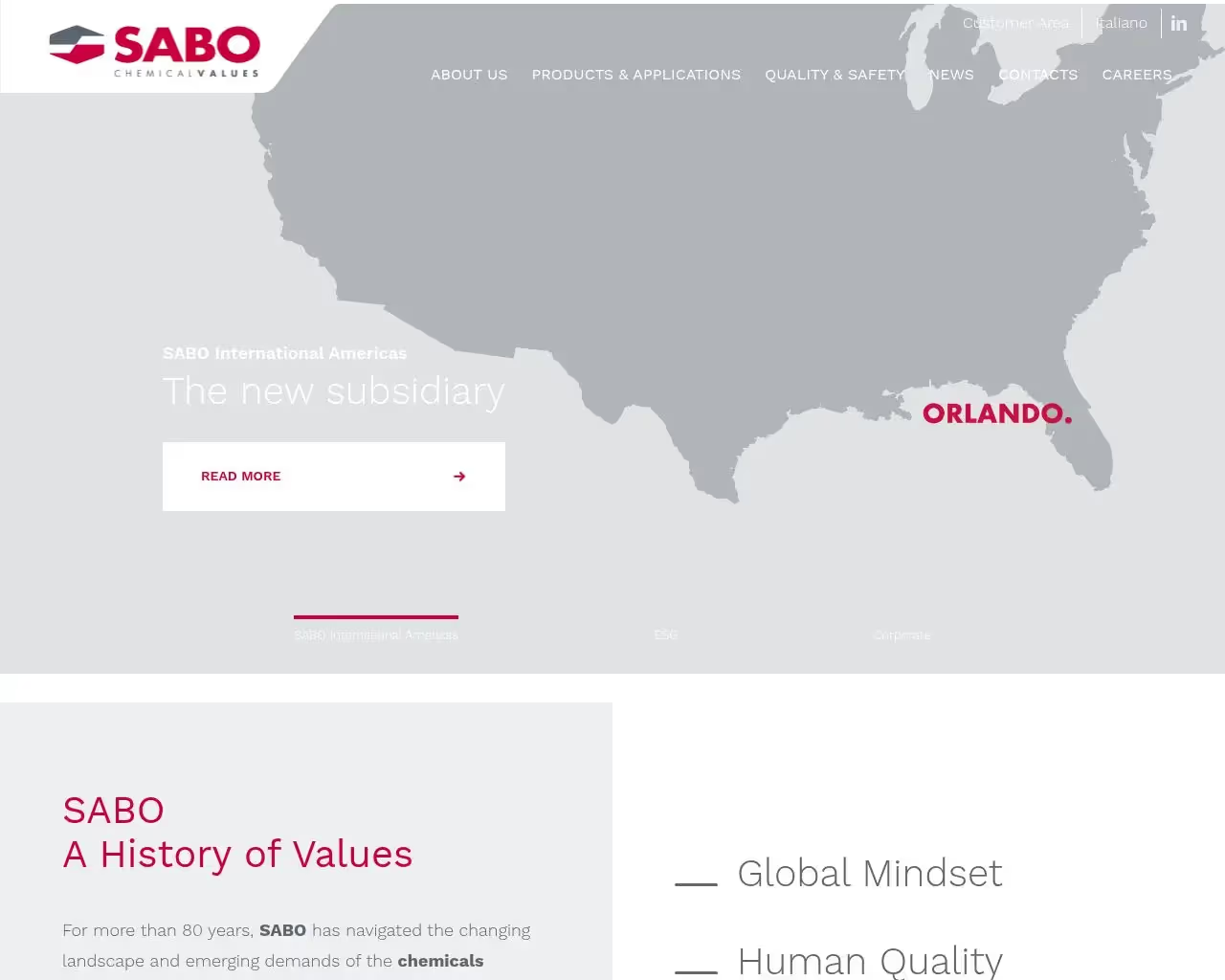
A Brazilian fashion brand focused on minimalist and timeless design for the modern wardrobe. Nytt Concept prioritizes high-quality materials and versatile silhouettes, offering a curated collection of essential pieces designed to blend comfort with a sophisticated, contemporary aesthetic.
Top Selling Product
TANK TOP BASIC BLACK
Country

Insider Store focuses on creating essential, timeless garments using smart fabrics that offer features like anti-odor, temperature regulation, and durability for a sustainable capsule wardrobe.
Top Selling Product
Tech T-Shirt®
Country

A Brazilian lifestyle brand and retail tech pioneer offering a curated selection of fashion, beauty, and home decor. AMARO leverages data-driven insights to deliver trend-led, high-quality products with a focus on seamless omnichannel shopping and digital-first customer experiences.
Top Selling Product
BERMUDA JEANS RETA - OFF-WHITE
Country
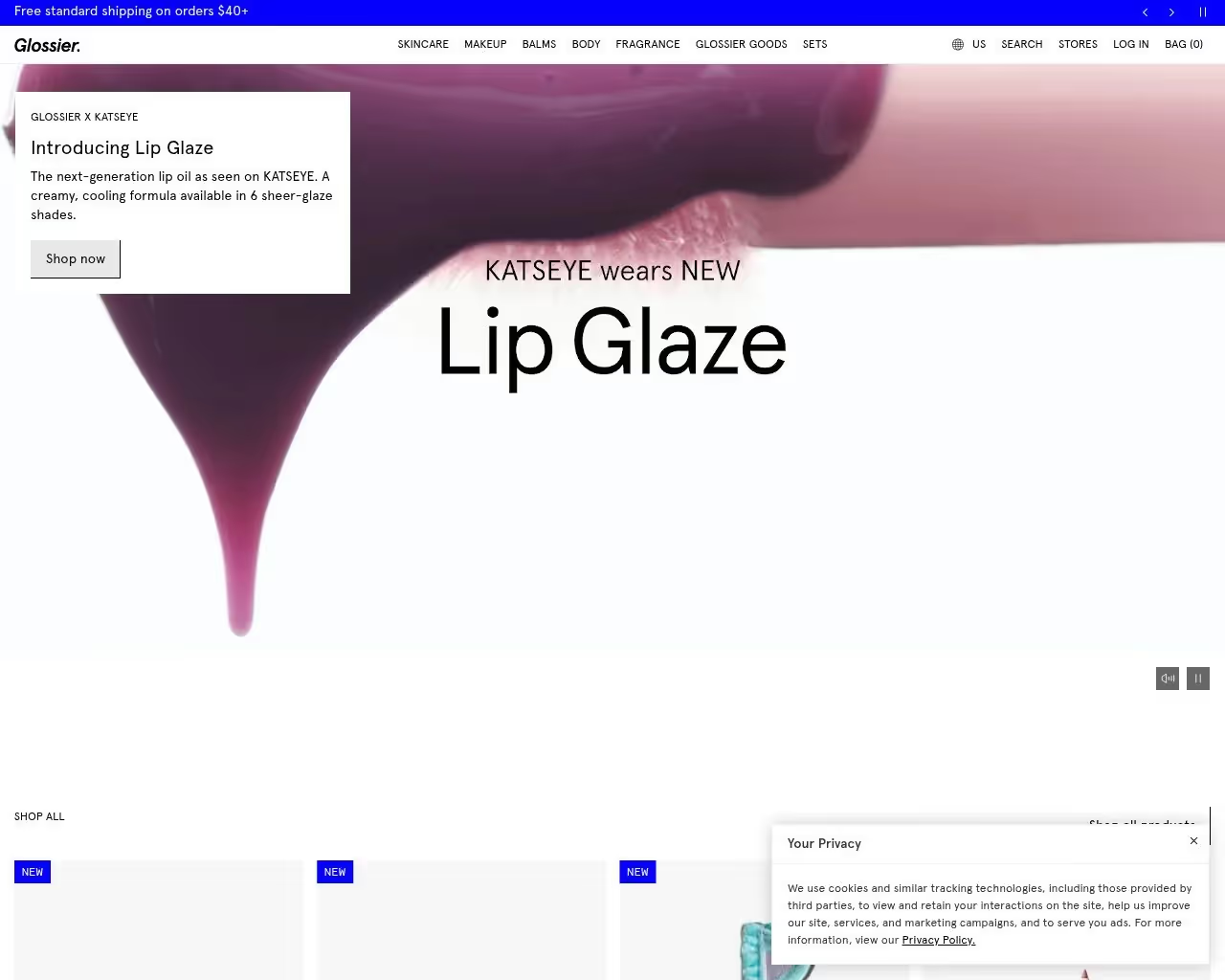
Beauty brand that emphasizes skincare and minimalist makeup. Glossier has built a loyal community through its user-centric approach and sleek packaging.
Top Selling Product
Boy Brow
Country
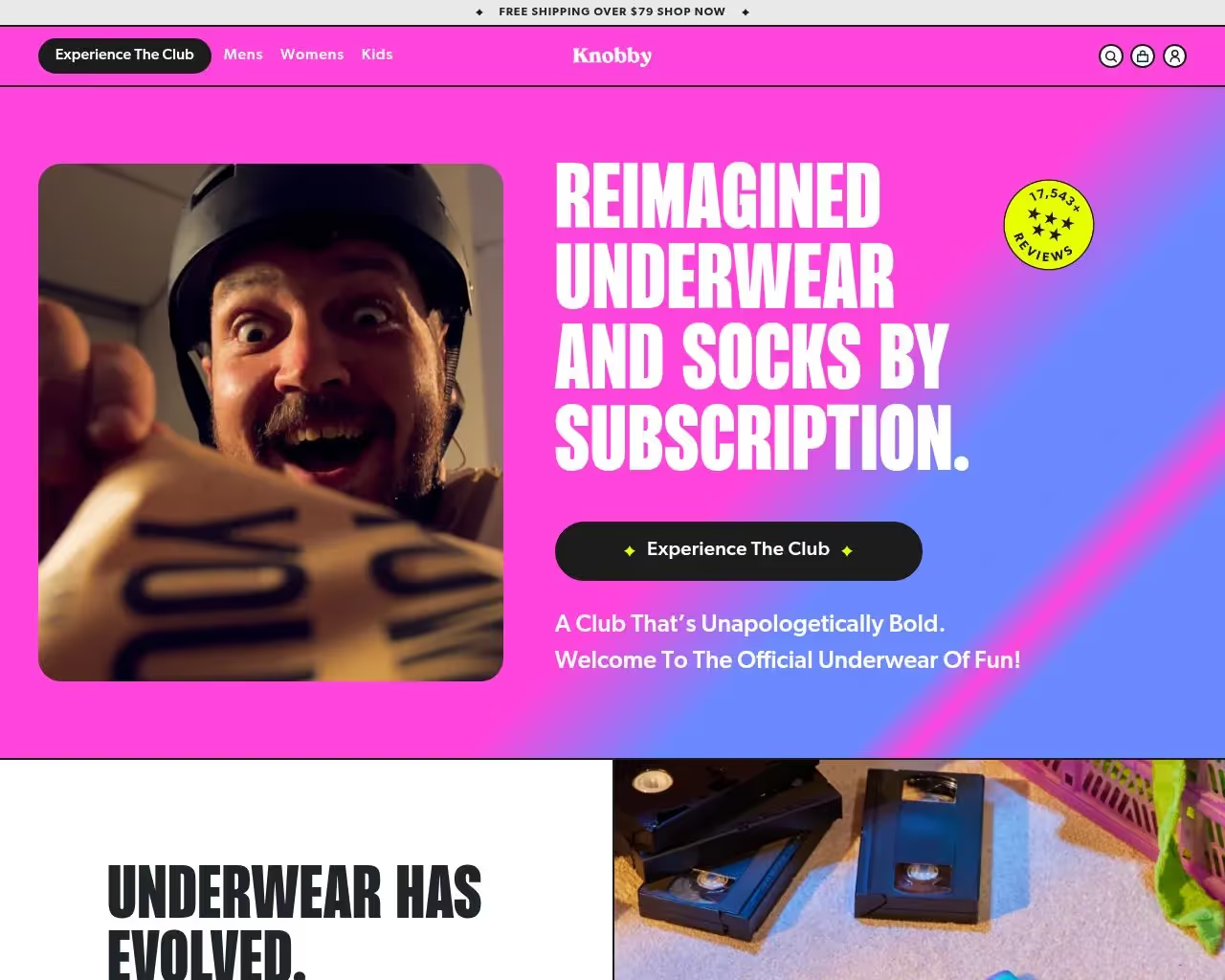
Offers subscription-based, artist-designed underwear, focusing on comfort and sustainability.
Top Selling Product
Monthly underwear subscription
Country
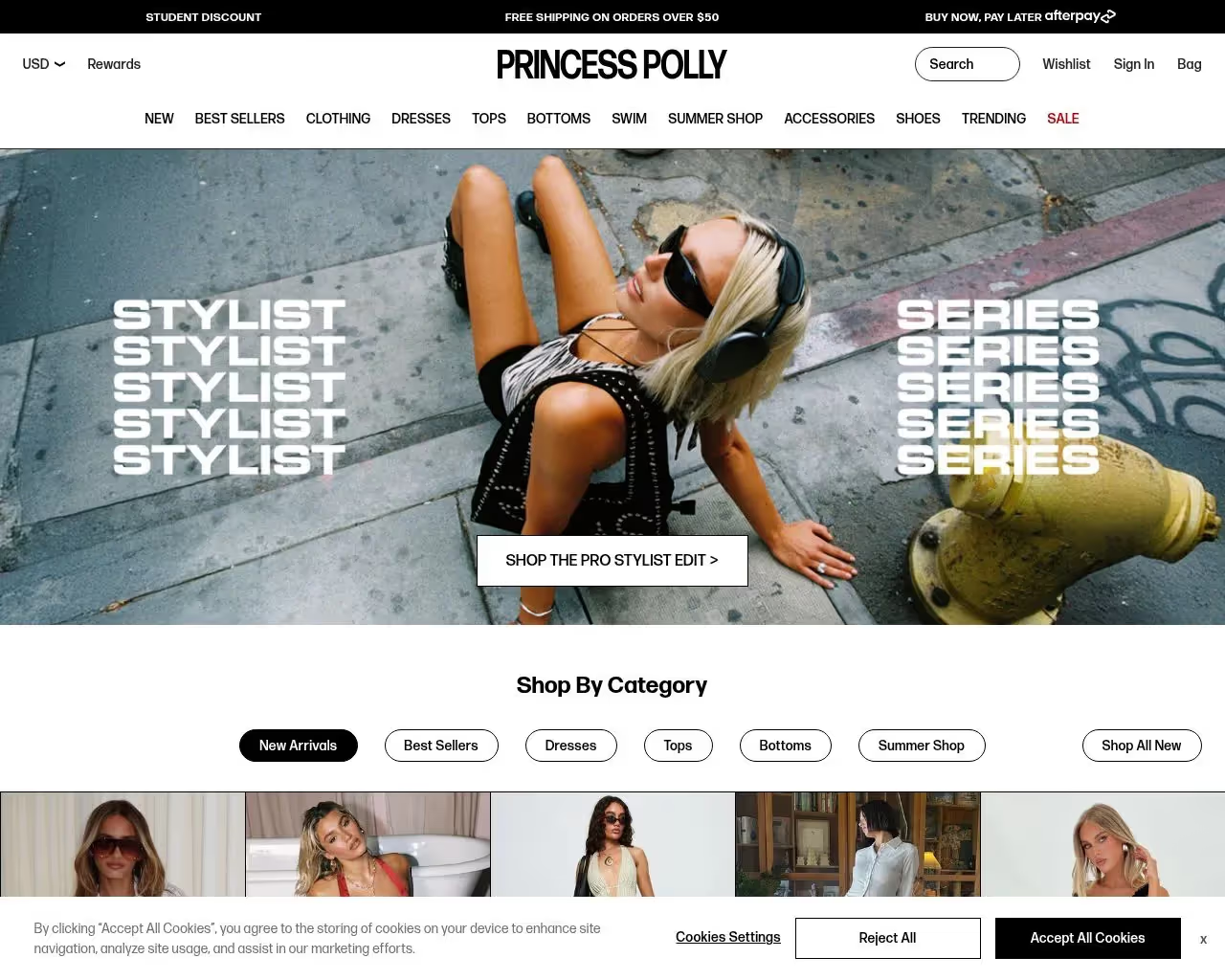
Targets the young fashion-forward crowd with trendy clothing and accessories, often seen on social media influencers.
Top Selling Product
Mini dresses and crop tops
Country
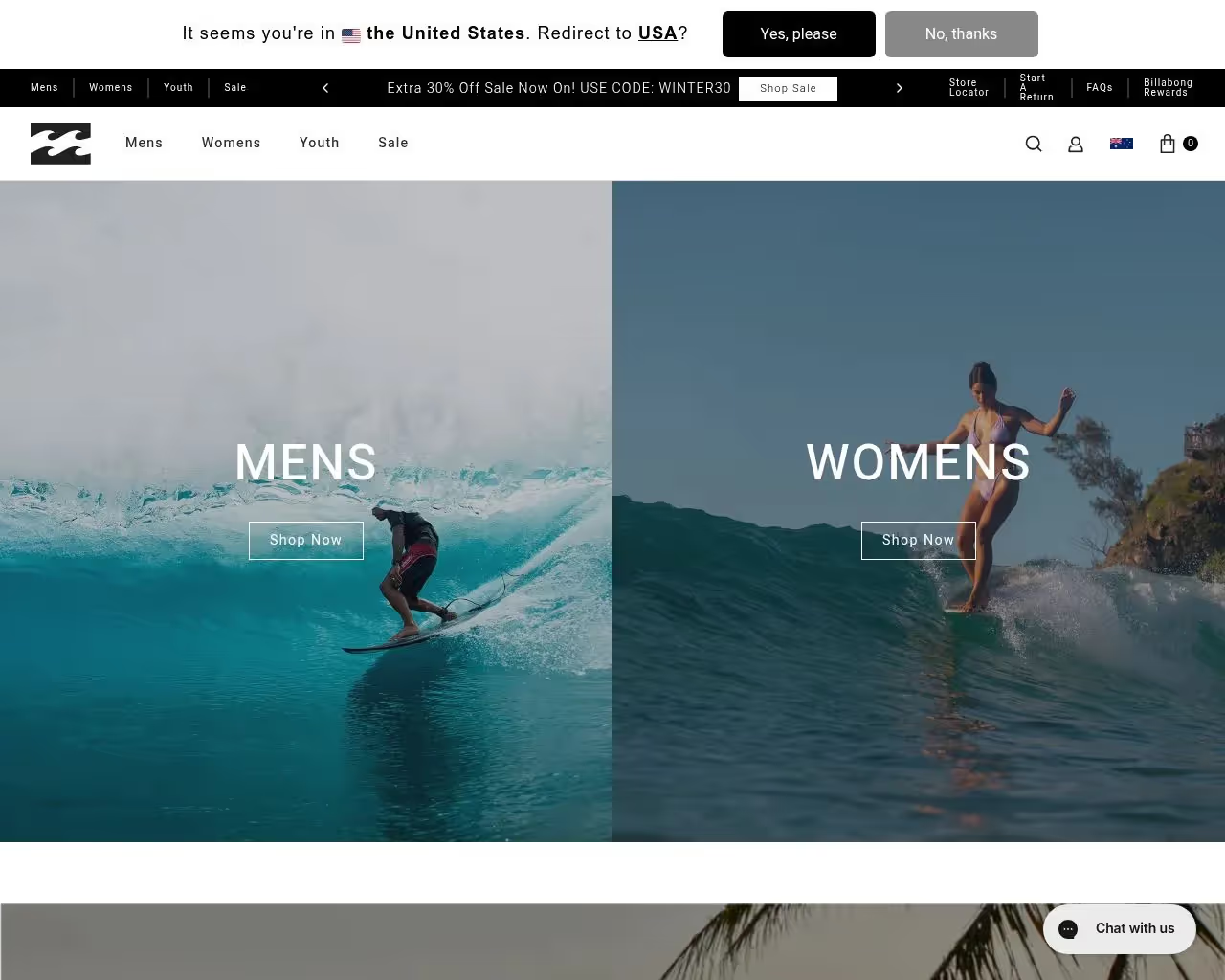
An iconic surf brand providing apparel and accessories that embody the Australian beach lifestyle.
Top Selling Product
Boardshorts and wetsuits
Country
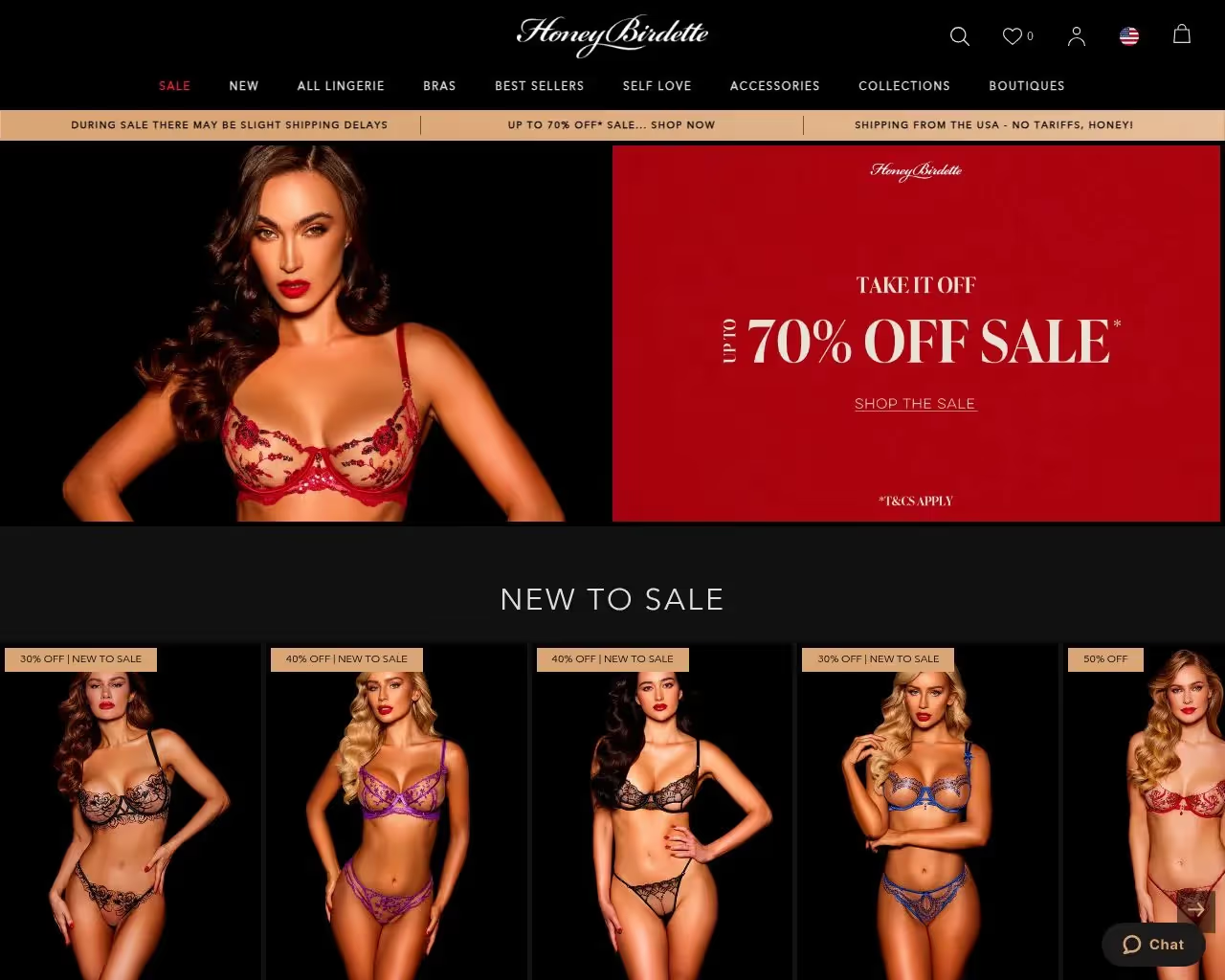
A luxury lingerie brand that combines sensuality with sophistication, offering a range of intimate apparel.
Top Selling Product
Lingerie sets
Country
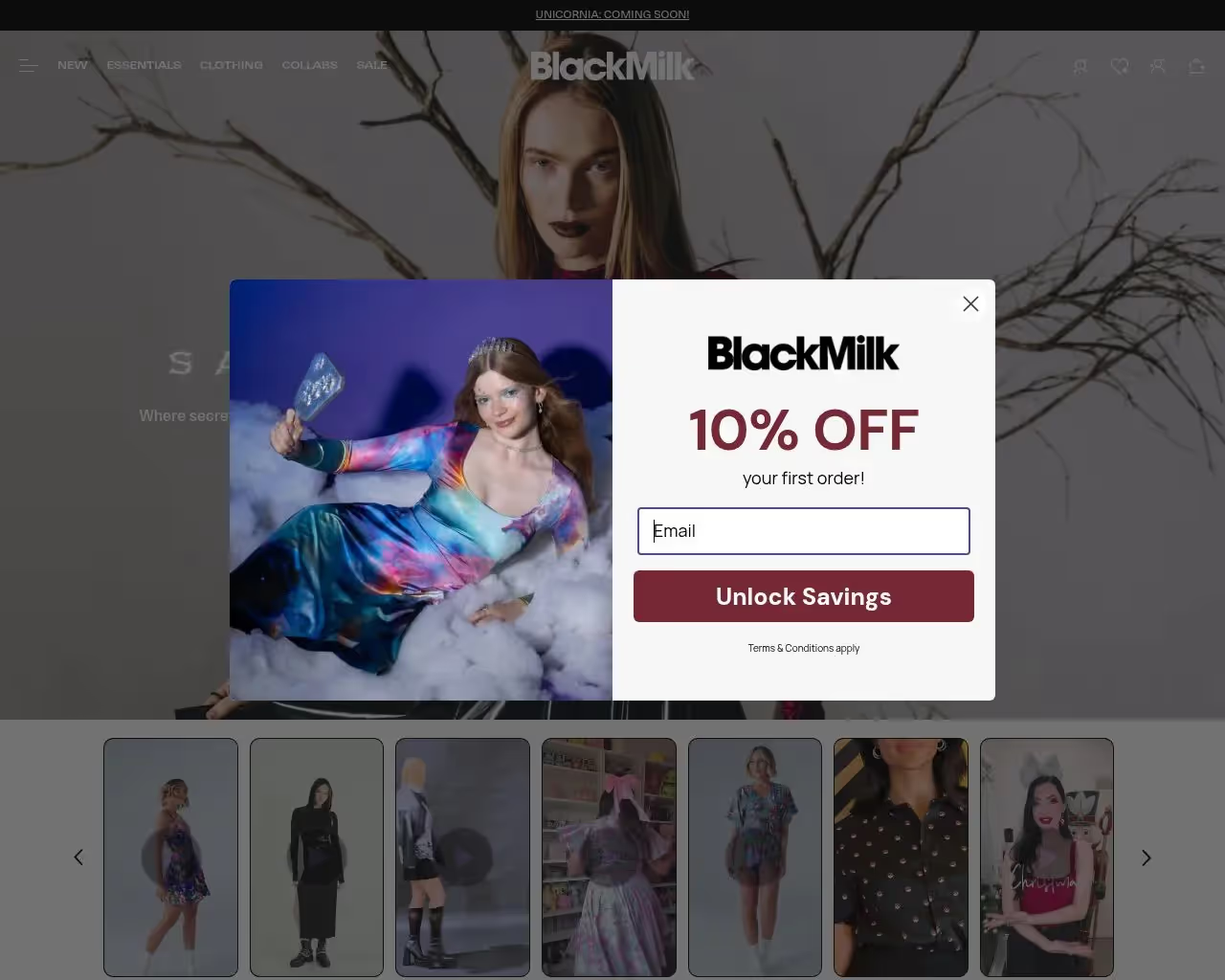
Known for bold, quirky designs, BlackMilk offers a range of leggings, dresses, and swimwear that stand out.
Top Selling Product
Printed leggings
Country
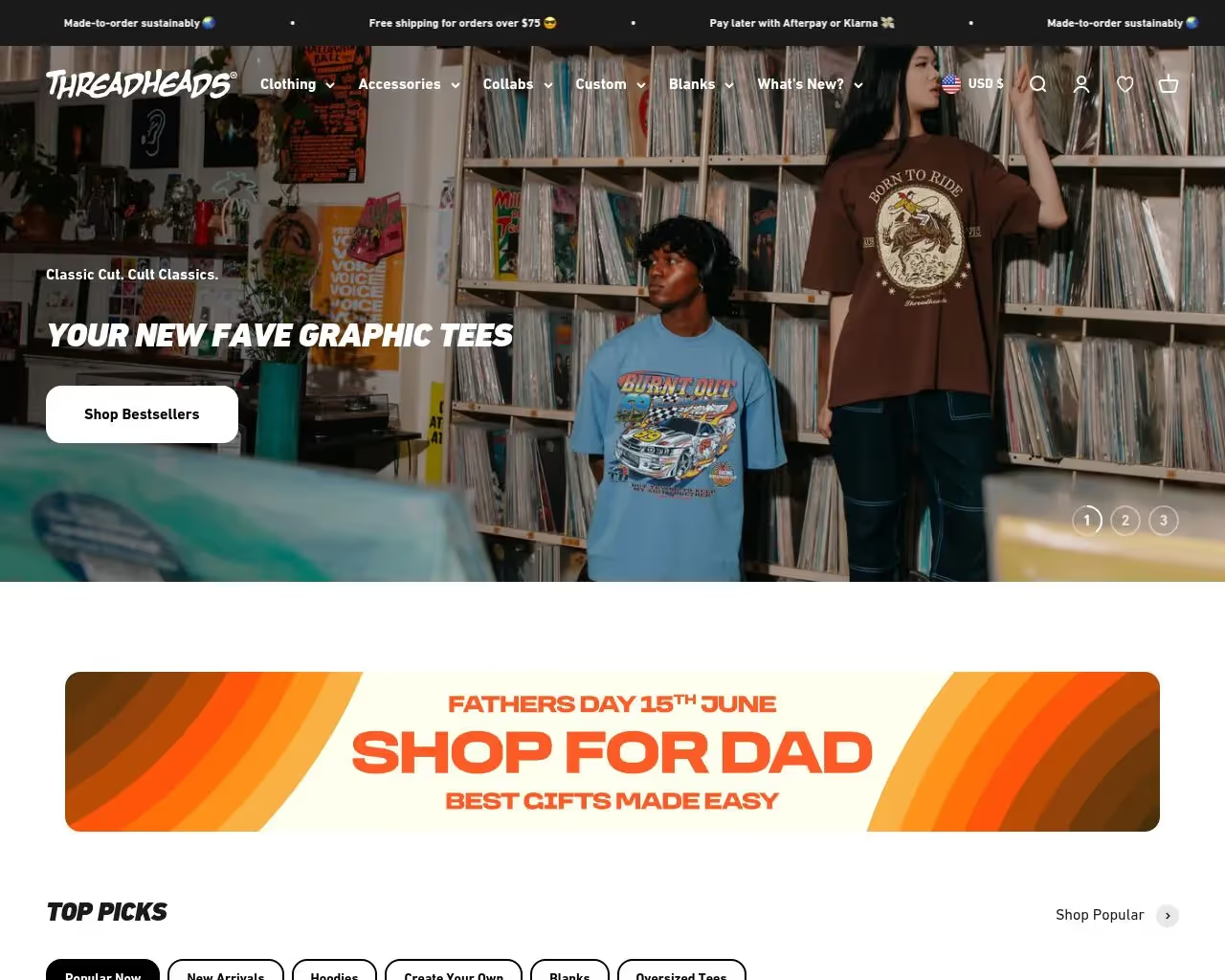
Offers a range of pop culture-inspired apparel, allowing customers to express their individuality through unique designs.
Top Selling Product
Graphic t-shirts
Country
A fashion brand offering trendy women's clothing with a focus on minimalist designs and sustainable practices.
Top Selling Product
Summer dresses and co-ords
Country
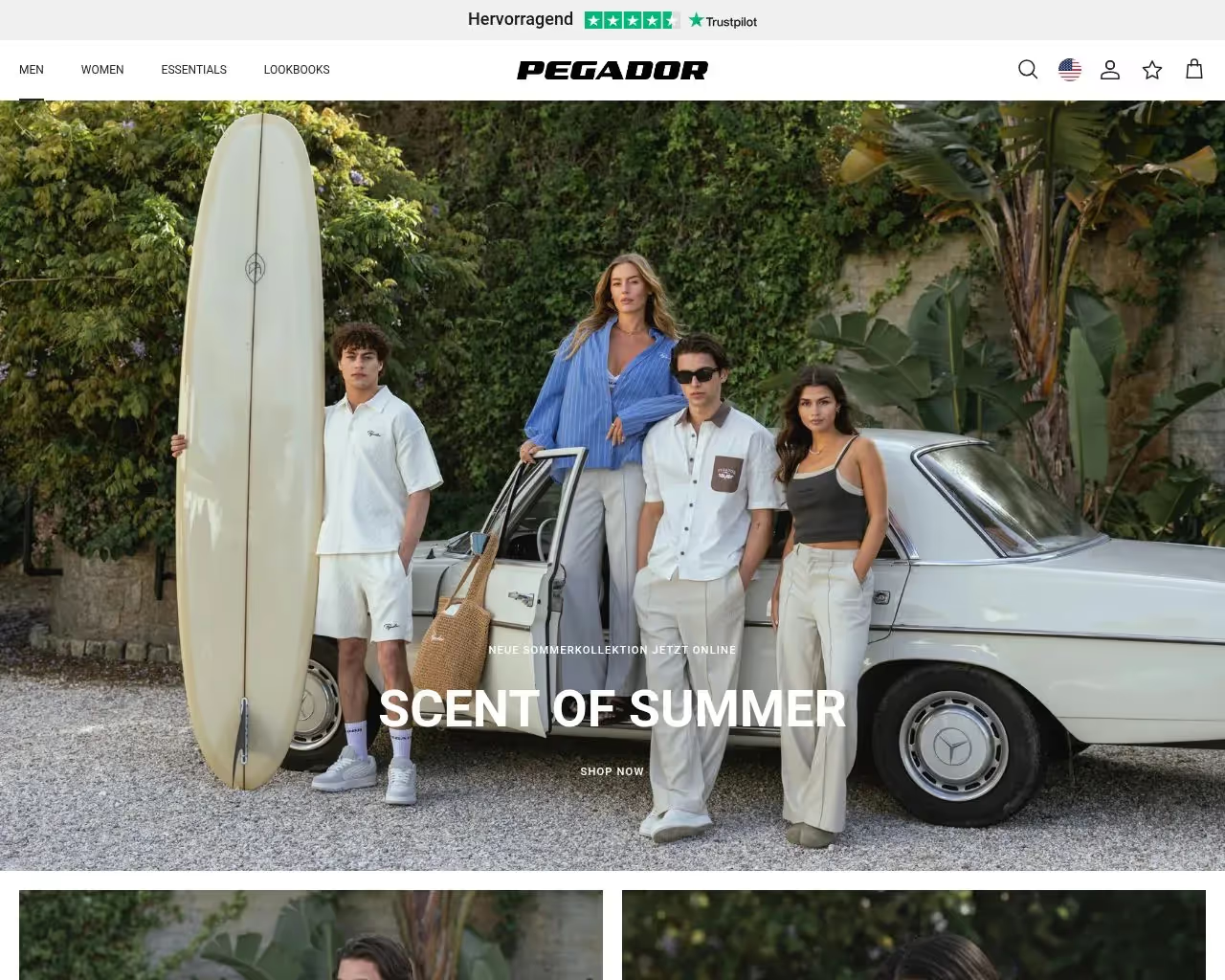
PEGADOR delivers bold streetwear with a clean, contemporary style. Based in Germany, the brand fuses modern cuts and monochrome palettes. Their Shopify site features lookbooks, Instagram integration, and fast delivery options.
Top Selling Product
Urban streetwear apparel
Country
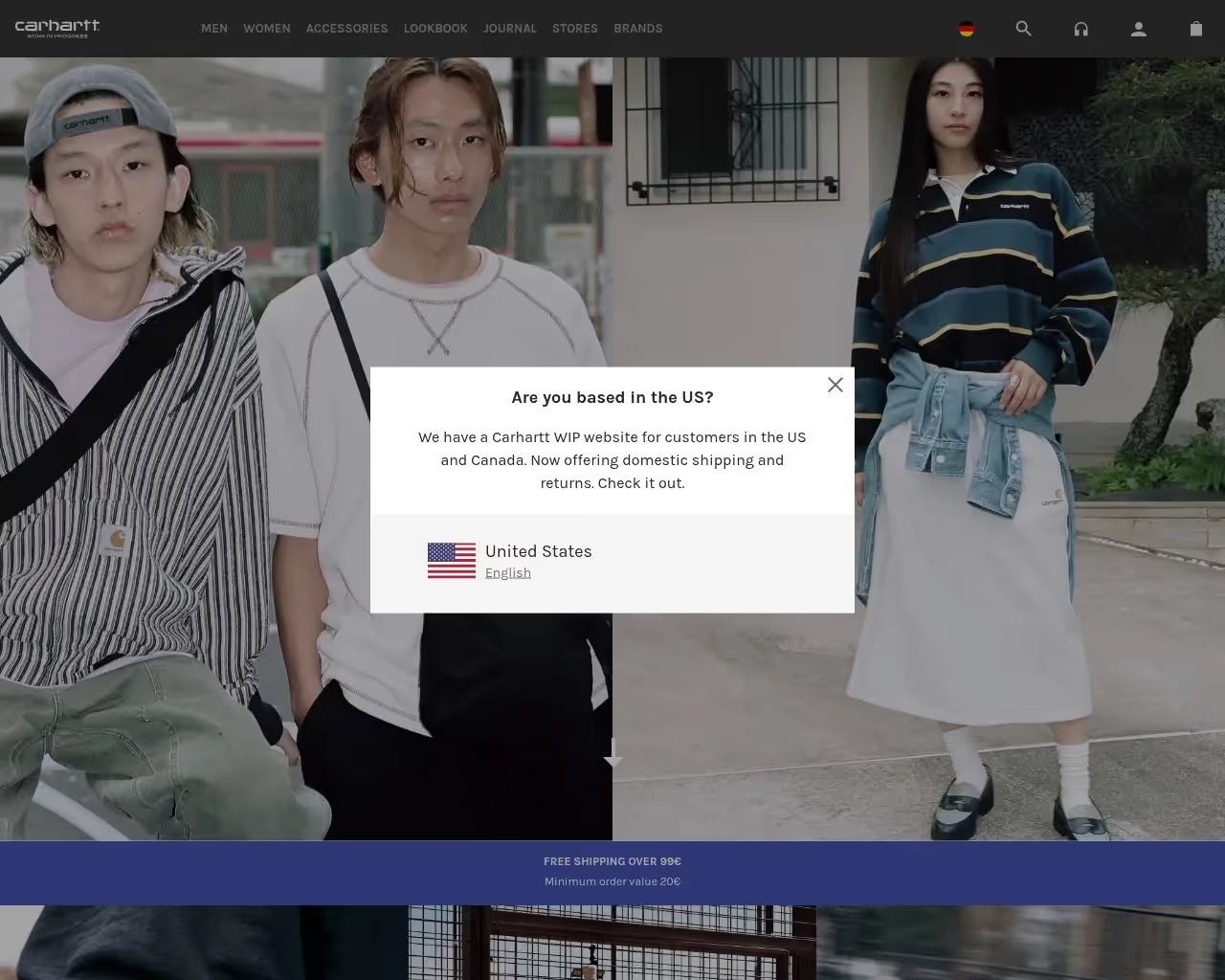
Carhartt WIP (Work In Progress) is the European adaptation of the iconic American workwear brand Carhartt. It offers a blend of durable workwear and urban streetwear, appealing to style-conscious consumers. The brand's Shopify store features clean design, extensive product images, and seasonal collections.
Top Selling Product
Durable workwear-inspired apparel
Country
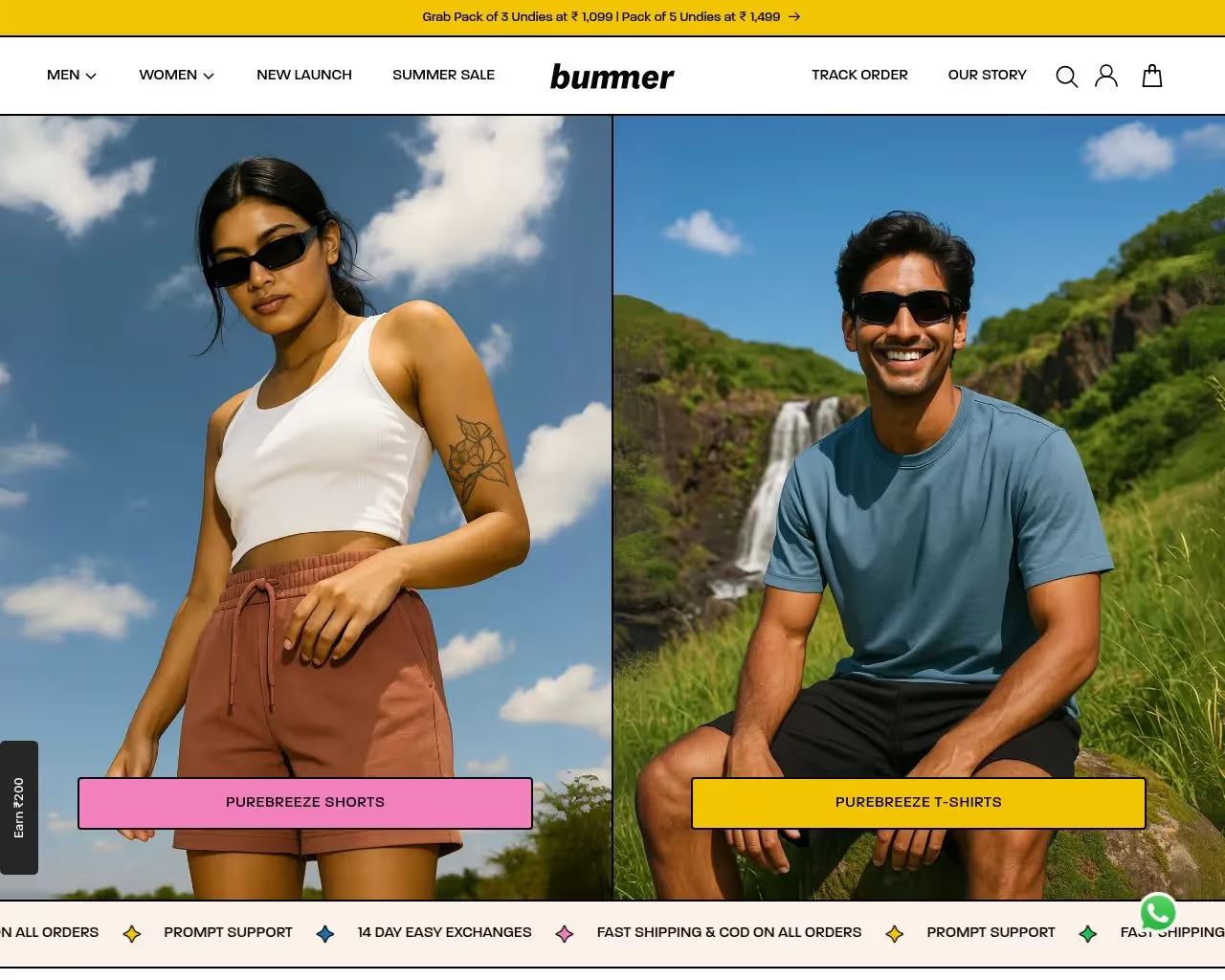
Bummer offers ultra-soft, eco-friendly innerwear for men and women using sustainable fabrics. It is a comfort-first brand known for bold prints and youthful appeal.
Top Selling Product
Men's and women's underwear
Country
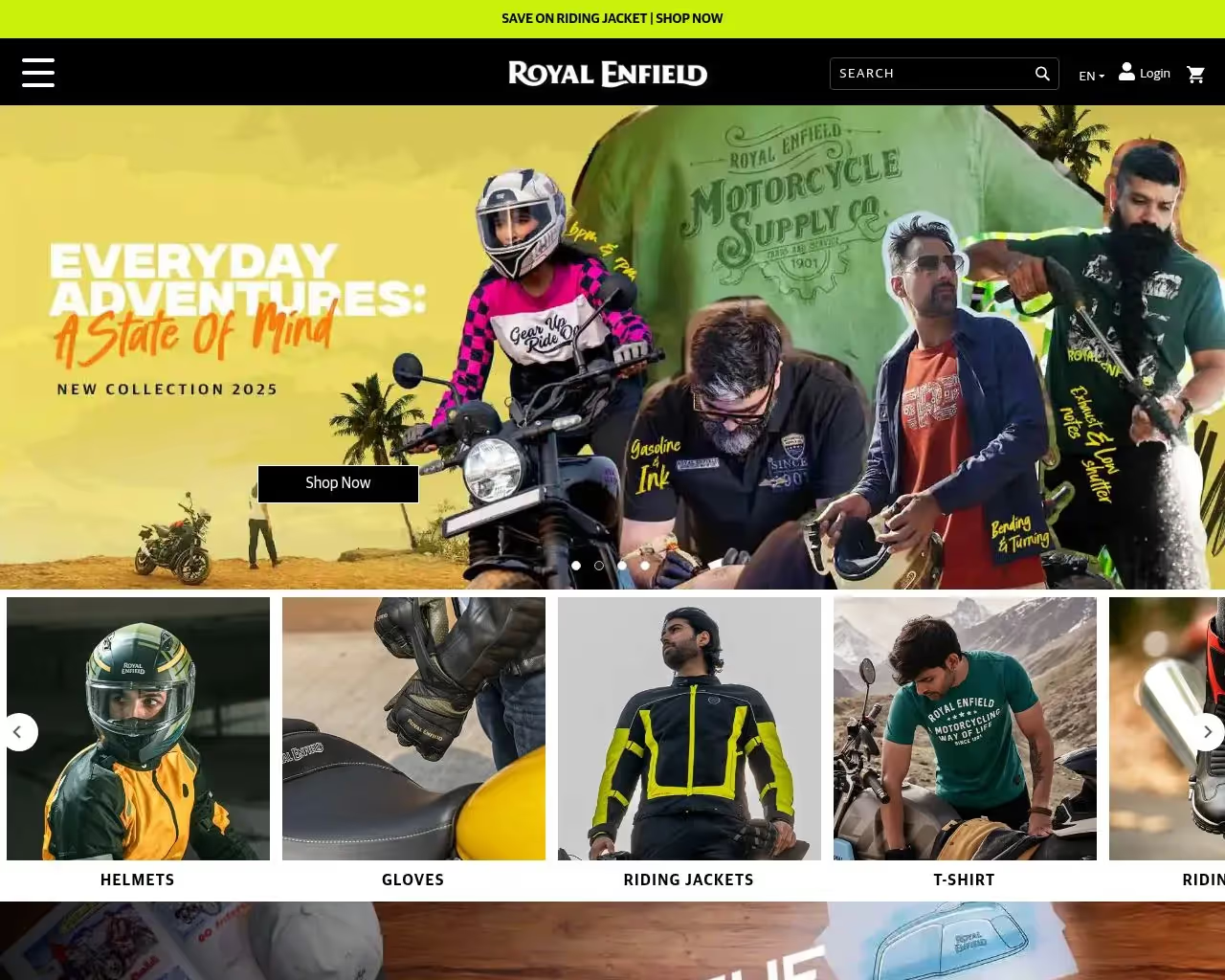
Royal Enfield, beyond motorcycles, offers high-quality riding gear and apparel designed for adventure enthusiasts, combining style, comfort, and functionality for long road journeys.
Top Selling Product
Riding jackets
Country
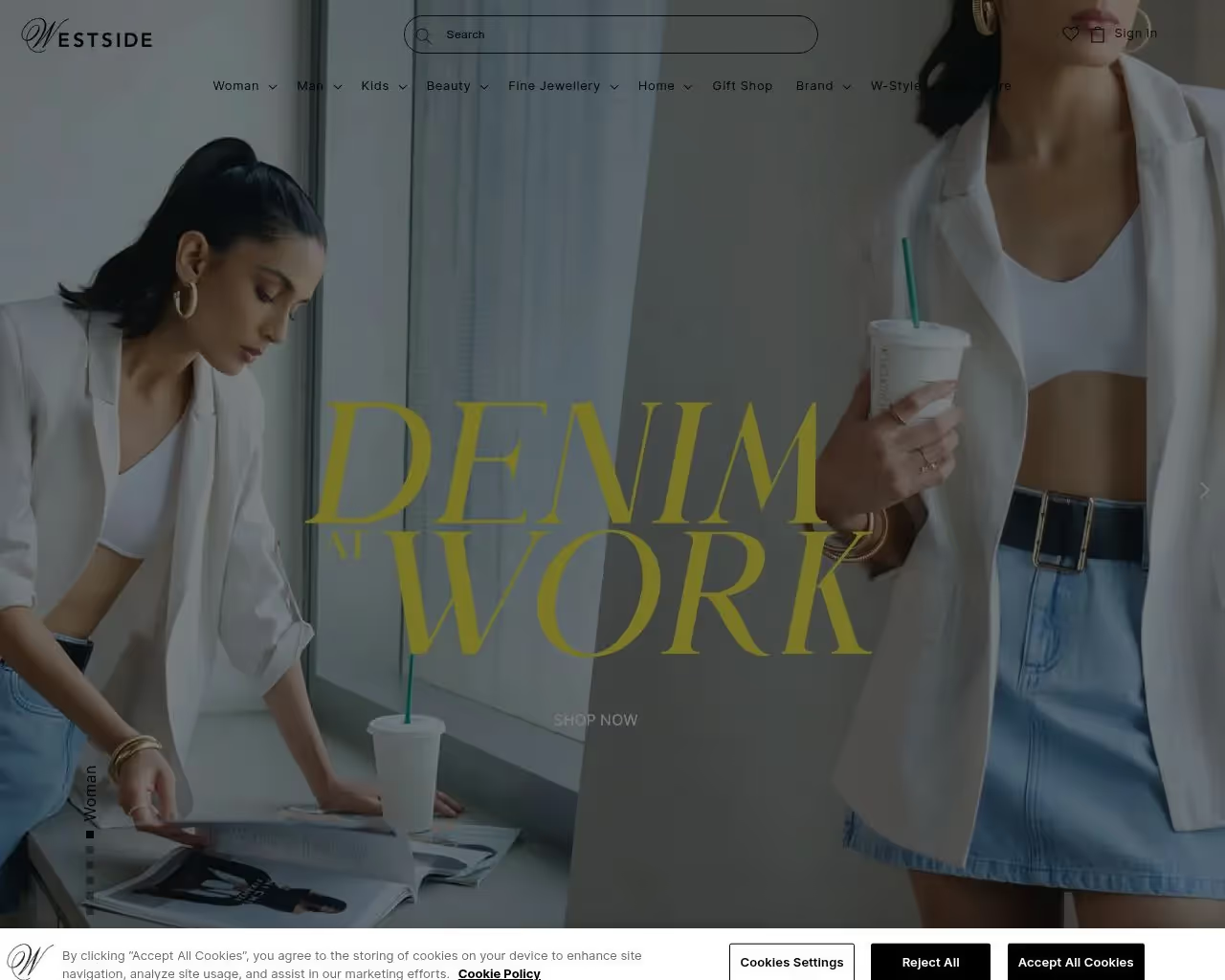
Westside, operated by Tata, is a popular retail brand offering trendy and affordable fashion for men, women, and children. It also includes home décor, beauty, and accessories across a wide product range.
Top Selling Product
Women's apparel
Country
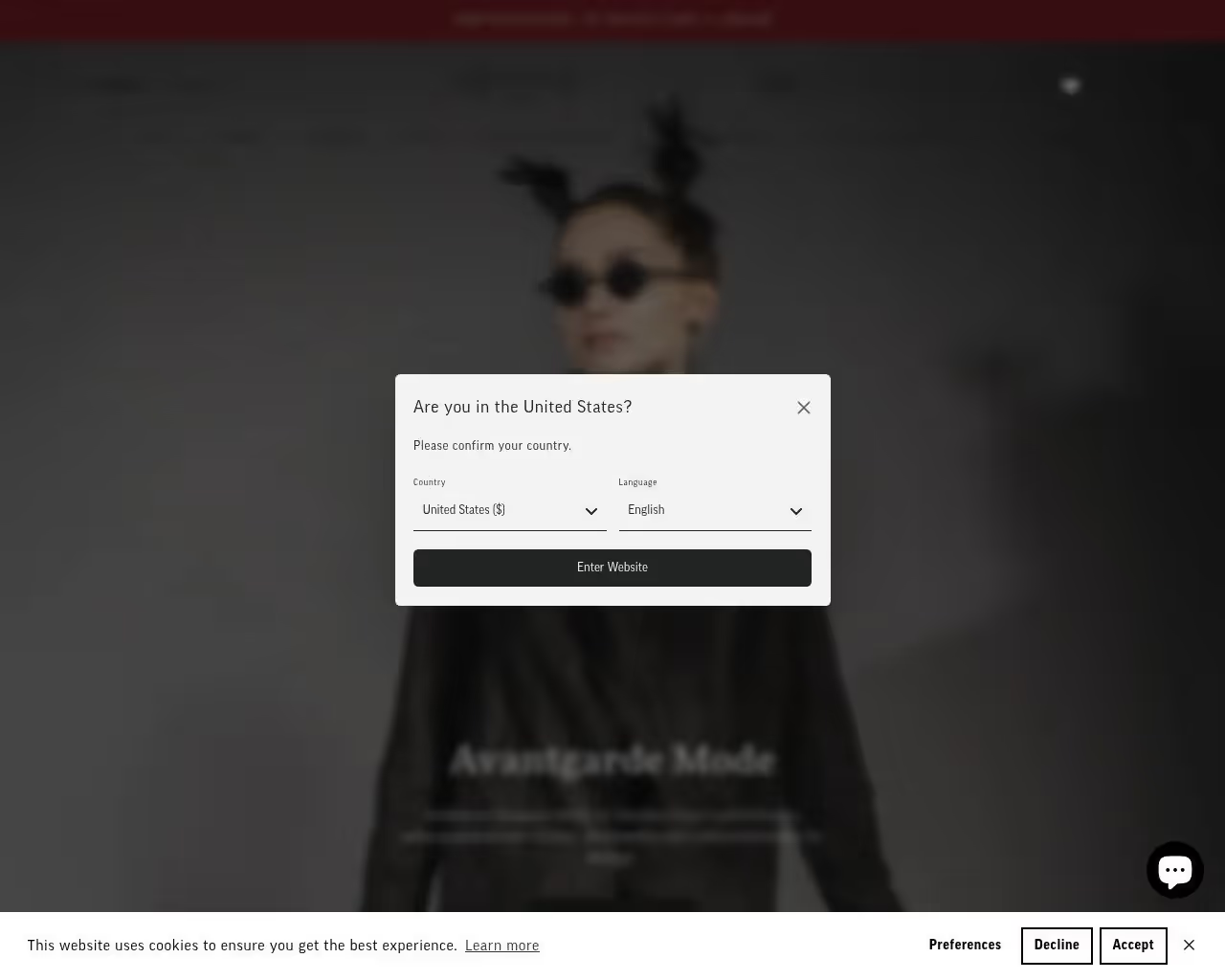
Avant-garde fashion label blending art and design.
Top Selling Product
Designer clothing
Country
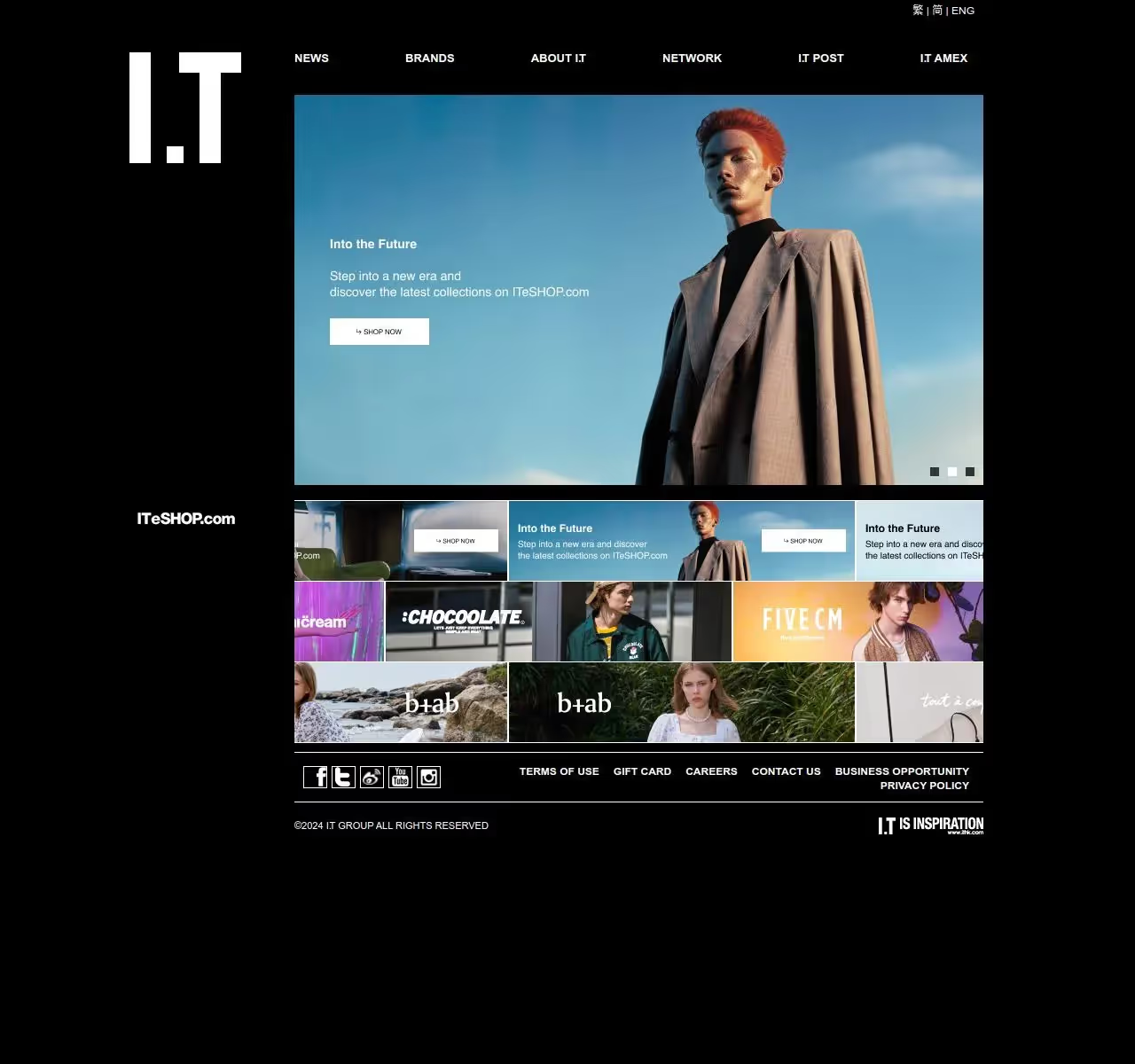
A fashion conglomerate retailing both in-house and international brands.
Top Selling Product
Fashion apparel and accessories
Country
A multi-brand fashion retailer offering a curated selection of international labels.
Top Selling Product
Designer fashion apparel
Country
Provides trendy women's fashion apparel with a focus on contemporary styles.
Top Selling Product
Women's fashion apparel
Country
Global fashion ecommerce is on track to reach $850 billion in 2026 at an 8.98% CAGR, with online representing 26% of total clothing retail. Mobile drives 81% of clothing store traffic, though desktop still converts at nearly double the mobile rate, making mobile-to-desktop handoff a critical UX consideration. The category faces structural return challenges: average return rates sit at 20 to 30%, and 63% of buyers engage in bracketing behaviour (ordering multiple sizes to try and return). Brands solving sizing uncertainty with data-driven tools are systematically outperforming those relying on standard size charts.
The leading DTC clothing brands have made deliberate structural choices that separate them from the broader category.
• Drop mechanics over always-available inventory: SKIMS uses limited drops to create scarcity without discounting. Each drop creates earned media and social conversation that paid ads cannot replicate. Drop mechanics reduce clearance inventory, protect margins, and build anticipation that drives repeat visits.
• Community as acquisition channel: Gymshark built from zero to $1.4 billion in brand value primarily through ambassador and community programmes. The ambassador programme converted fitness influencers into genuine brand advocates before "influencer marketing" was even a defined strategy. Community-built brands see 60 to 80% lower CAC than paid-only brands.
• AI-powered sizing to fight returns: ASOS implemented AI sizing recommendations that reduced returns by 160 basis points across their platform, an enormous number at their scale. For smaller DTC brands, quiz-based or measurement-based sizing tools reduce return rates by 20 to 35% and are available through third-party Shopify apps.
• Sustainability as positioning, not just values: Patagonia's "Don't Buy This Jacket" campaign is the most cited example of sustainability as competitive differentiation. Buyers who purchase from brands with a genuine sustainability narrative have 2x higher repeat purchase rates than category average.
• Performance and activewear crossover: The athleisure segment continues to grow at 8.5% CAGR as the boundary between performance and casual wear continues to blur. Premium performance-casual brands command 40 to 60% gross margins.
• Size-inclusive clothing: Extended sizing (beyond standard S-XL) is a $28 billion segment growing at 12% CAGR. Most DTC brands still underserve this market despite the demonstrated premium willingness-to-pay.
• Secondhand and resale: The resale market is growing 3x faster than traditional retail. Brands launching their own resale programmes retain customer relationships that would otherwise go to Depop or ThredUp.
• Modest and cultural fashion: Modest fashion globally represents $278 billion at 5.5% CAGR, with most growth coming through DTC brands serving communities underserved by mainstream retailers.
• No sizing solution beyond a static chart: Standard size charts do not address the core buyer anxiety in clothing (will this fit me specifically). Brands without dynamic sizing tools are structurally accepting 20 to 30% return rates as unavoidable when they are actually highly manageable.
• Ignoring the bracketing problem: Stores that do not acknowledge and address bracketing in their returns policy and sizing communication see 3x higher shipping costs as a percentage of revenue compared to stores with size-confident buying experiences.
• Single-image PDPs: Clothing requires 5 to 8 images minimum: front, back, detail shots, lifestyle, and critically, on-model photography showing the garment on multiple body types and skin tones.
• Generic brand positioning: "Sustainable, quality basics" describes hundreds of DTC clothing brands. Without a specific community, aesthetic, or occasion angle, acquiring customers at sustainable CAC is nearly impossible.
• Gross margin: 50 to 70% for branded DTC clothing
• Average order value: $75 to $120 (casual/basics); $150 to $300 (premium)
• Return rate: 20 to 30% (structural; sizing tools reduce toward 12 to 18%)
• Repeat purchase rate: 30 to 45% within 12 months for stores with loyalty programmes
• Conversion rate: 1.5 to 3.5% across the category; sizing tools and social proof are the primary conversion levers
Sizing uncertainty drives 63% of clothing returns through bracketing behaviour, and brands that reduce this uncertainty at the point of purchase operate at structurally better margins than those that accept it as inevitable. Kiwi Size Chart and Recommender provides dynamic size recommendations based on body measurements, past purchase data, and garment-specific fit notes, and stores deploying it report return rate reductions of 20 to 35%, a difference that is often the margin between a profitable and an unprofitable operation.
Outfit-based merchandising consistently lifts AOV in clothing because buyers purchasing a complete look have lower returns and higher satisfaction than those buying individual pieces. Easy Bundle Builder by Skai Lama powers "complete the outfit" and mix-and-match bundle mechanics that pair tops with bottoms, outerwear with accessories, and seasonal pieces into curated sets, lifting AOV without requiring the buyer to navigate multiple collection pages.
Volume and multi-buy promotions are highly effective in basics and essentials categories where buyers plan to stock up. Kite: Free Gifts and Discounts by Skai Lama enables buy-more-save-more tiers (buy 3, save 15%), BOGO promotions on basics, and free gift triggers for orders above a spend threshold, all built on native Shopify Functions so the mechanics apply correctly at checkout without discount code workarounds.
Clothing buyers who join a loyalty programme have 2x higher repeat purchase rates than non-members, and the investment in loyalty infrastructure pays back quickly in a category with strong seasonal return patterns. Smile.io is the most deployed loyalty app in fashion DTC, offering points per purchase, referral bonuses, and VIP tier unlocks that give engaged buyers a reason to return with each new drop or seasonal collection launch.
Real-customer photos showing garments on different body types, skin tones, and heights are the most trusted social proof in clothing because they answer the "will this work for me specifically" question that product photography cannot. Okendo supports photo reviews with attributes including size purchased, height, and fit assessment, and clothing stores using it consistently convert at higher rates than those relying on standard review platforms without contextual filters.
Clothing is the most competitive DTC category, but the operators building community-first brands with a genuine point of view continue to find room to grow. The return rate problem is largely solvable with the right tools, and the margin difference between a 30% return rate and a 15% return rate is often the difference between a profitable and unprofitable business. Brands that treat sizing confidence, community, and sustainability as operational investments rather than marketing expenses are the ones compounding fastest in this category.

The best Shopify clothing stores differentiate themselves through curated collections, quality craftsmanship, and a seamless shopping experience. Whether they specialize in streetwear, luxury basics, eco-friendly fashion, or gender-neutral clothing, these brands often rely on strong visual branding and seasonal drops. Stores using tools like Skailama benefit from personalized shopping assistance, AI-driven size recommendations, and dynamic product FAQs, making them more attractive to customers looking for both style and support.
Sizing can be tricky, but leading clothing Shopify stores provide detailed size charts, measurement tips, and sometimes even virtual try-on options. Many use visual references like model stats or customer-submitted photos. Shops that use Skailama can automatically answer common sizing questions, suggest best-fit products based on user behavior, and even manage exchanges more efficiently with automated support workflows.
Yes, sustainable fashion is a growing trend, and many Shopify clothing brands highlight their use of organic cotton, recycled fabrics, low-impact dyes, and ethical labor practices. Search for stores that have transparency pages, certifications, or “sustainability” filters. Skailama helps these brands emphasize eco-credentials across product pages and FAQs, boosting trust and SEO performance.
Top Shopify clothing stores offer return policies that range from 14 to 60 days, often with prepaid return labels and simple return portals. By using Skailama, these brands can provide instant answers to return policy questions, reduce support volume, and guide users through self-serve exchange processes—improving both customer satisfaction and retention.